
Companion Plants
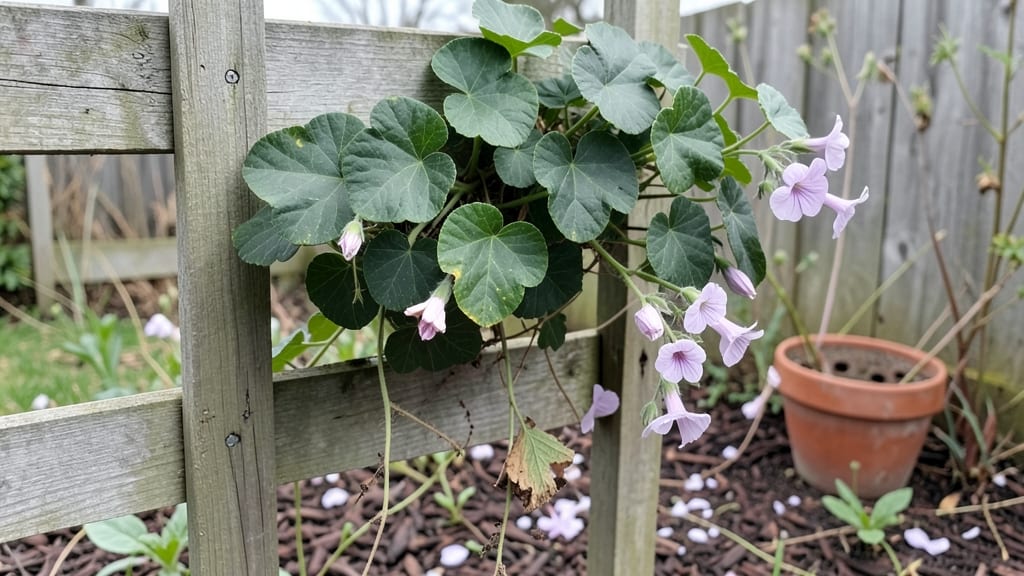
Climbing geranium plants transform any space into a cascading sea of color—my Pelargonium peltatum still blooms in December when most gardens are asleep. The secret lies in their love for baskets, trellises, and a little extra care that pays off with year-round flowers in shades of pink, purple, and white.
These plants thrive in well-draining soil and need at least 6 hours of sun daily, though they tolerate partial shade better than most geraniums. Water when the top inch feels dry—overwatering is their biggest enemy—and feed monthly with a balanced fertilizer.
Prune leggy stems in spring to encourage bushier growth and more blooms, and you’ll have a plant that looks as good as it performs.
By summer, your climbing geraniums will spill over baskets or climb trellises with velvety foliage and clusters of blooms that attract pollinators. The fragrance alone—especially in varieties like ‘Fragrantissimum’—makes them worth growing. Even in colder zones, a little winter protection keeps them blooming.
They’re perfect for balconies, pergolas, or even indoor windowsills with bright light. The key is consistency: sun, water, and pruning. Once you master these, you’ll have a plant that outshines store-bought flowers and lasts longer than any seasonal annual.
📚 In This Guide
- What you need
- Instructions
- Tips and common mistakes
- Wrapping up and next steps
What you need
- ● Climbing geranium plants (Pelargonium peltatum) – 1–3 plants per hanging basket (6–12 inches in diameter). Choose varieties like 'Scarlet Cascade' or 'Appleblossom' for vibrant blooms!
- ● Hanging baskets – 10–14 inches in diameter with drainage holes (plastic, woven, or metal). Pro tip: 💡 Opt for self-watering baskets if you travel often!
- ● High-quality potting mix – 1 bag (1–2 cubic feet) of well-draining, peat-based or coconut coir blend. Mix in: 1 part perlite or pumice (for aeration)
- ● 1 part compost or worm castings (for nutrients)
- ● Slow-release fertilizer – 1 packet (10–20 lb) of balanced 10-10-10 or geranium-specific granules.
- ● Gloves – 1 pair (gardening or nitrile) to protect your hands.
- ● Trowel or small shovel – For planting and mixing soil.
- ● Watering can – With a rose attachment for gentle watering.
- ● Scissors or pruners – Sharp, clean pair for trimming dead leaves or leggy stems.
- ○ Support structure (optional) – Trellis, obelisk, or decorative ring (6–12 inches tall) to train vines.
- ○ Mulch (optional) – 1 bag of orchid bark or coco coir chips to retain moisture.
- ● Sunlight – 6+ hours of direct sun daily (morning sun is ideal to prevent scorching).
- ● Temperature – USDA Zones 10–11 (or grow as annuals in cooler climates).
- ● Watering schedule – Keep soil consistently moist but not soggy (water when top inch feels dry).
- ● Deadheading routine – Pinch off spent blooms weekly to encourage non-stop flowers! ✨
Step-by-Step instructions for cultivating climbing geraniums in hanging baskets
Here’s how to transform your balcony or patio into a cascading floral display with vibrant, long-blooming climbing geraniums.
Select and Prepare the Hanging Baskets
Choose 12- to 14-inch diameter baskets with sturdy, durable material—plastic or coconut fiber work best for climbing geraniums. I prefer baskets with built-in drainage holes to prevent root rot, which is a common issue with these thirsty plants. Before planting, soak the baskets in warm water for 10 minutes to hydrate the material and expand any coconut fibers.
Line the bottom of each basket with 1-2 inches of sphagnum moss to create a natural barrier that retains moisture while allowing excess water to drain. This layer also helps prevent soil from spilling out through the drainage holes. After lining, add 2-3 inches of the 3 gallons of potting mix to the bottom of each basket, pressing it down lightly to create a stable base.
Plant the Geranium Starts
Gently remove each climbing geranium from its nursery pot, being careful not to disturb the root ball. If the roots are tightly bound, tease them apart slightly with your fingers to encourage outward growth. Place one plant per basket—climbing geraniums thrive when given enough space to sprawl, and overcrowding leads to weak stems and fewer blooms.
Dig a hole in the center of the potting mix that’s twice as wide as the root ball but no deeper. Position the plant so the top of the root ball sits ½ inch below the basket’s rim. This ensures stability and makes watering easier later. Fill the hole with additional potting mix, pressing it gently around the roots to eliminate air pockets.
Establish a Support System for Vertical Growth
Climbing geraniums need support to trail beautifully, so attach a metal or plastic trellis to the side of each basket using soft plant ties or zip ties. The trellis should be 12-18 inches tall to accommodate the plant’s mature height. I like to position the trellis on the north or east side of the basket so the plant grows toward the light without shading its own foliage.
Gently weave the stems of the geranium through the trellis as they grow, encouraging them to climb rather than sprawl. Avoid tying the stems directly to the trellis—this can damage the delicate vines. Instead, let them find their own way, guiding them only when necessary. Water the baskets thoroughly after planting to help the roots settle into the new environment.
Provide Optimal Light and Watering Conditions
Climbing geraniums crave full sun—at least 6 hours of direct sunlight daily—to produce their most vibrant blooms. Place the baskets in a location where they receive morning sun and afternoon shade during the hottest months to prevent wilting. If you’re in a particularly hot climate, a lightweight shade cloth can protect the plants without sacrificing too much light.
Water the baskets every morning, ensuring the soil stays evenly moist but not soggy. Climbing geraniums are drought-tolerant once established, but hanging baskets dry out faster than ground-level planters. You’ll know it’s time to water when the top inch of soil feels dry to the touch. Fertilize every 2-3 weeks with a balanced liquid fertilizer to encourage continuous blooming throughout the season.
Prune and Maintain for Year-Round Blooms
To keep your climbing geraniums looking their best, deadhead spent blooms regularly—this encourages the plant to produce more flowers and prevents seed formation, which can weaken the plant. Pinch back leggy stems in early spring to promote bushier growth. I also trim any stems that grow beyond the basket’s edge to maintain a neat, cascading appearance.
In late fall, reduce watering and fertilizing to prepare the plant for dormancy. If you’re in a mild climate, you can bring the baskets indoors to a bright, cool location and resume care in early spring. With proper maintenance, your climbing geraniums will reward you with year-round color and texture, turning your outdoor space into a lush, living tapestry.
Tips & tricks for perfect climbing geraniums in hanging baskets
These essential insights will help you cultivate thriving climbing geraniums that cascade beautifully and bloom abundantly throughout the year.
Basket Preparation: The 10-minute soak you perform in Step 1 is crucial for expanding coconut fiber baskets and preventing soil from spilling through drainage holes. For plastic baskets, this step still helps hydrate the material and ensures even moisture distribution. I recommend adding a layer of landscape fabric over the sphagnum moss to provide an extra barrier against soil loss while maintaining excellent drainage.
Root Ball Technique: When planting in Step 2, gently teasing apart tightly bound roots encourages outward growth, which is essential for climbing geraniums to establish strong root systems. Positioning the root ball just ½ inch below the basket's rim creates the perfect balance—low enough for stability but high enough to prevent water pooling at the top during irrigation.
Support System Strategy: In Step 3, placing the 12-18 inch trellis on the north or east side of the basket is a game-changer. This positioning allows the plant to grow toward the light without creating self-shading, which can occur if placed on the south or west sides. For a more natural look, consider using decorative metal trellises that complement your outdoor decor while providing sturdy support.
Light Management: The 6 hours of direct sunlight requirement in Step 4 can be tricky in hot climates. I've found that positioning baskets to receive morning sun and afternoon shade creates the perfect balance—preventing wilting while still providing sufficient light for vibrant blooms. For extreme heat conditions, a lightweight shade cloth with 30-50% coverage can be a lifesaver during peak afternoon hours.
Pro Tips for Climbing Geranium Plants
- These essential insights will help you cultivate thriving climbing geraniums that cascade beautifully and bloom abundantly throughout the year.
- Basket Preparation: The 10-minute soak you perform in Step 1 is crucial for expanding coconut fiber baskets and preventing soil from spilling through drainage holes.
- Root Ball Technique: When planting in Step 2, gently teasing apart tightly bound roots encourages outward growth, which is essential for climbing geraniums to establish strong root systems.
Frequently asked questions
Got questions about keeping your climbing geraniums thriving?
Here are some of the most common ones—plus quick, practical answers to help you grow lush, blooming vines all year!
How often should I water climbing geraniums in hanging baskets?
Climbing geraniums in baskets dry out faster than in-ground plants. Water every 1-2 days in hot, dry weather—check soil moisture by sticking your finger 1 inch deep. Morning watering prevents evaporation, and drainage holes are a must to avoid root rot. Overwatering is the #1 killer!
Can climbing geraniums survive winter indoors?
Yes! Move them indoors before first frost (or when temps drop below 50°F). Place near a sunny window (south-facing is ideal) and reduce watering—let the top inch of soil dry out between waterings. Prune leggy growth in early spring to encourage bushier regrowth. A grow light helps if natural light is limited.
How do I prune climbing geraniums to encourage more blooms?
Prune after flowering (late summer/early fall) to shape the plant and promote new growth. Cut back 1/3 of the stems to encourage branching. For year-round blooms, trim faded flowers regularly—this prevents seed formation and redirects energy to new buds. Use clean, sharp shears to avoid damaging stems.
What pests commonly attack climbing geraniums, and how do I treat them?
Watch for aphids, spider mites, or whiteflies, which love geraniums! Neem oil or insecticidal soap works for mild infestations. For stubborn pests, spray plants with water + a drop of dish soap (test on a small area first). Encourage beneficial insects like ladybugs by planting nearby herbs like basil or dill.
Are there climbing geranium varieties that bloom nonstop without deadheading?
Most climbing geraniums (Pelargonium peltatum) do require deadheading for continuous blooms, but some self-cleaning varieties (like 'Mrs. Pollock' or 'Ernest Markham') produce flowers that drop naturally. For true year-round blooms, pair with annuals like petunias or lobelia—they’ll fill gaps when geraniums slow down in winter.
Wrapping up and next steps
Climbing geraniums are a fantastic choice for adding vibrant color and texture to your garden or balcony—no matter the season! 🌿 With the right care, these trailing beauties will reward you with lush foliage and blooms that seem to last forever.
Whether you're a beginner or a seasoned gardener, their easygoing nature makes them perfect for experimenting with hanging baskets, trellises, or even as cascading companions for other plants.
Ready to transform your space? Start by planting your climbing geraniums today—then sit back and enjoy the show! For extra flair, pair them with complementary plants like sweet alyssum or ivy for a stunning, year-round display. Happy gardening! 🌸