
Pruning
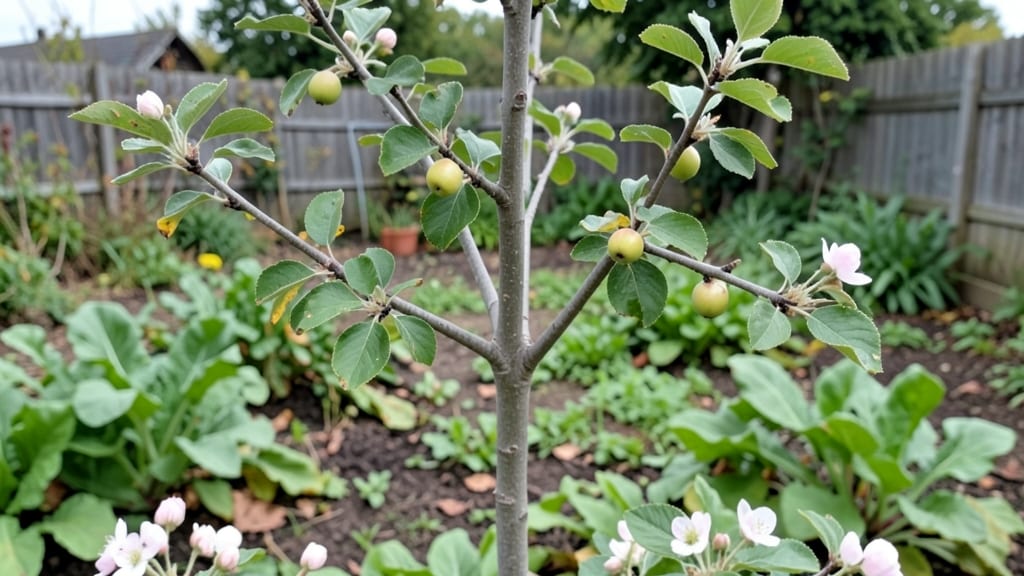
Planting a crab apple tree means adding a four-season showstopper to your yard—crisp white blossoms in spring, glossy red fruit in fall, and fiery foliage in winter. 🌿 I’ve planted mine in full sun where the roots can stretch deep, and the difference in growth compared to my neighbor’s shaded tree is shocking.
The secret starts with soil that drains well but holds moisture, a spot with at least 6 hours of sunlight daily, and a hole twice as wide as the root ball.
Most beginners overlook soil prep, but amending with compost or aged manure makes all the difference. Dig the planting hole while the tree’s roots are still moist, then loosen any circling roots gently before placing it in the ground.
The top of the root ball should sit 2 inches above soil level—settling happens, and you don’t want the trunk buried too deep.
Water deeply right after planting to eliminate air pockets, then mulch with 3 inches of organic mulch (wood chips or straw) to keep roots cool and moist.
Within a year, you’ll see sturdy new branches forming, and by year three, those iconic blossoms will cover the tree. The key is consistency: water once a week in dry spells (more for young trees), and avoid heavy mulch piles against the trunk.
Prune only to remove dead branches in late winter—your tree will thank you with vibrant growth and fewer pests. The best part? These trees handle city pollution better than most, so they’re perfect for urban yards too.
Here’s where it gets interesting—crab apples thrive with almost no fuss once established. The real work is in the first year, but the payoff is decades of shade, wildlife support (birds adore the fruit), and that unmistakable old-fashioned charm.
Skip the nursery advice about "specialty soil mixes"—your local dirt will work fine if you follow these three steps. Let’s get that tree in the ground!
📚 In This Guide
- What you need
- Instructions
- Tips and common mistakes
- Wrapping up and next steps
What you need
- ● Crab apple tree sapling – Choose a healthy, disease-resistant variety (e.g., Malus spp.) from a reputable nursery. Size: 1-3 gallons (small container) or bare-root.
- ● Shovel or spade – For digging the planting hole. Size: 12–18 inches wide/deep.
- ● Native soil or compost mix – 50% native soil + 50% compost (or well-draining potting mix for containers). Quantity: ~2–3 cubic feet.
- ● Organic mulch – Shredded bark, wood chips, or straw. Quantity: 2–3 inches to cover the root zone.
- ● Watering can or hose with nozzle – For deep watering post-planting.
- ● Garden gloves – To protect your hands from thorns and soil.
- ● Soil pH test kit – Ideal pH for crab apples: 6.0–7.0. Adjust with lime (to raise pH) or sulfur (to lower) if needed.
- ○ Tree stake (optional) – For young trees in windy areas. Height: 4–6 feet.
- ● Pruning shears – To trim damaged branches during planting.
- ● Tree guard or wire cage – Protects from deer/rodents (especially in rural areas).
- ○ Fertilizer (slow-release, optional) – Balanced 10-10-10 or organic options like composted manure.
Step-by-step instructions for planting a crab apple tree
Here's how to plant your new tree so it thrives for decades with minimal stress.
🌱 Step 1: Choose and Prepare the Planting Site
Pick a spot with full sun exposure (6-8 hours daily) and well-draining soil. Crab apple trees hate soggy roots, so avoid low areas where water pools. I always test drainage by digging a 12-inch deep hole—if water doesn't drain within 2 hours, amend the soil with 2-3 inches of compost mixed into the top 12 inches of native soil.
For best growth, space your tree 15-20 feet away from buildings or other trees. This gives roots room to spread and prevents future root competition. If planting near a fence or sidewalk, leave at least 8 feet of clearance—roots can damage hardscapes over time.
🪴 Step 2: Dig the Proper Hole and Plant Correctly
Dig a hole twice as wide as the root ball but no deeper. The top of the root ball should sit 2-3 inches above ground level—this prevents soil from settling and smothering the trunk later. Gently loosen any circling roots around the root ball with your fingers before placing it in the hole.
Backfill with the native soil you removed, tamping lightly every 2-3 inches to remove air pockets. Water deeply as you fill to settle the soil naturally. I always add a 5-gallon bucket of water after planting to help roots establish contact with the surrounding soil.
☀️ Step 3: Mulch and Stake for Long-Term Support
Spread 3-4 inches of mulch in a circle around the tree, keeping it 6 inches away from the trunk to prevent rot. Use wood chips or straw—never rocks or plastic. This mulch ring should extend 2-3 feet beyond the root ball's edge.
Stake only if your tree is over 6 feet tall or in a windy location. Use two stakes placed 12 inches from the trunk and tie the tree loosely with flexible material—too tight will girdle the trunk as it grows. Remove stakes after 1 year to encourage natural trunk strength.
💧 Step 4: Water and Monitor Through First Season
Water deeply once weekly during the first growing season, providing 10-15 gallons total per watering. You'll know it's enough when water drains 6 inches deep into the soil. Let the top 2 inches dry out between waterings—this prevents shallow root development.
Watch for new growth in 4-6 weeks—this confirms roots are establishing. If leaves appear yellow or wilted, your tree needs more water. By autumn, your crab apple should show strong new branches and a healthy canopy, ready for years of blooms and fruit.
Tips & tricks for thriving crab apple trees
Planting a crab apple tree is just the beginning—these key strategies will help your young tree establish strong roots and grow into a healthy, productive specimen.
Soil Test Before Planting: While the instructions mention testing drainage, I always go one step further and get a basic soil test from your local extension office. Crab apples prefer soil with a pH between 6.0 and 7.0. If your test shows different results, you can amend with elemental sulfur to lower pH or lime to raise it before planting. This simple step prevents future nutrient deficiencies that can stress young trees.
Root Ball Care: When you receive your tree, check if it's bare-root or balled-and-burlapped. For balled-and-burlapped trees (which are more common), remove any plastic wrap or twine from the root ball before planting. If the roots are circling tightly, gently tease them apart with your fingers—this encourages outward root growth. The 2-3 inches above ground level positioning in Step 2 is crucial because settled soil can cause the trunk to rot over time.
Mulch Matters More Than You Think: The 3-4 inches of mulch in Step 3 isn't just decoration—it's a moisture and temperature regulator. I recommend using wood chips because they break down slowly, adding organic matter to the soil. Avoid using fresh grass clippings or leaves as mulch, as they can mat down and prevent water from reaching the roots. Also, keep that mulch ring at least 6 inches from the trunk to prevent rot.
Watering Wisdom: The once-weekly watering schedule in Step 4 is perfect for establishing roots, but I've found that watering in the early morning (between 6-8 AM) reduces evaporation and fungal diseases. Use a rain gauge or tuna can to measure your 10-15 gallons—this ensures consistent moisture without overwatering. If you notice water pooling around the base after watering, your site may have poor drainage despite your initial test.
Pro Tips for Crab Apple Tree Planting
- Planting a crab apple tree is just the beginning—these key strategies will help your young tree establish strong roots and grow into a healthy, productive specimen.
- Soil Test Before Planting: While the instructions mention testing drainage, I always go one step further and get a basic soil test from your local extension office.
- Root Ball Care: When you receive your tree, check if it's bare-root or balled-and-burlapped.
Frequently asked questions
Got questions about planting a crab apple tree? You’re not alone! Here are some of the most common concerns—plus straightforward answers to help you get started with confidence.
When is the best time to plant a crab apple tree?
The ideal window is late fall or early spring (before buds break). This gives roots time to establish before summer heat or winter frost. If you must plant in summer, keep the soil moist and mulch heavily to reduce stress. Avoid extreme temperatures—roots need stability to grow!
How far apart should I space crab apple trees?
For a balanced orchard, space trees 20–30 feet apart if you want full sun and airflow. If planting as a hedge or single specimen, 10–15 feet works. Remember: crab apples grow wider than tall, so leave room for their canopy to spread without crowding.
What pests or diseases should I watch for after planting?
Common issues include apple scab (fuzzy brown spots), codling moths (worms in fruit), and aphids. Prevent problems with copper fungicide (for scab) and neem oil (for pests). Prune for airflow, and remove fallen fruit to deter pests. Monitor leaves regularly—early action saves your tree!
Can I grow a crab apple tree in a container or small yard?
Yes! Dwarf varieties like ‘Dolgo’ or ‘Centennial’ thrive in 15–20 gallon containers with well-draining soil. Place in full sun and water deeply when the top inch of soil dries. Just know: container-grown trees may produce fewer fruits and need repotting every 2–3 years. A small yard? Try a spindle-shaped tree for vertical space!
Do crab apple trees need winter protection?
Most varieties are hardy (USDA Zones 3–8), but young trees benefit from mulch (3–4 inches) around the base to insulate roots. Wrap the trunk with tree guard if rabbits or deer are a threat. Avoid heavy snow buildup—gently brush it off to prevent branch damage. Evergreens nearby can also shield delicate buds from harsh winds.
Wrapping up and next steps
Planting a crab apple tree is a rewarding journey that brings beauty, wildlife support, and even delicious harvests to your landscape! 🌳 By choosing the right variety, preparing the soil, and giving your tree the best care from the start, you’ll set the stage for years of vibrant growth. Now’s the time to roll up your sleeves—grab those tools, pick your spot, and watch your orchard flourish!
Ready to take the next step? Start by marking your planting zone on a calendar and order your tree (or dig up that bare-root sapling!) so you’re set for the ideal planting season. Happy growing!