
Pests
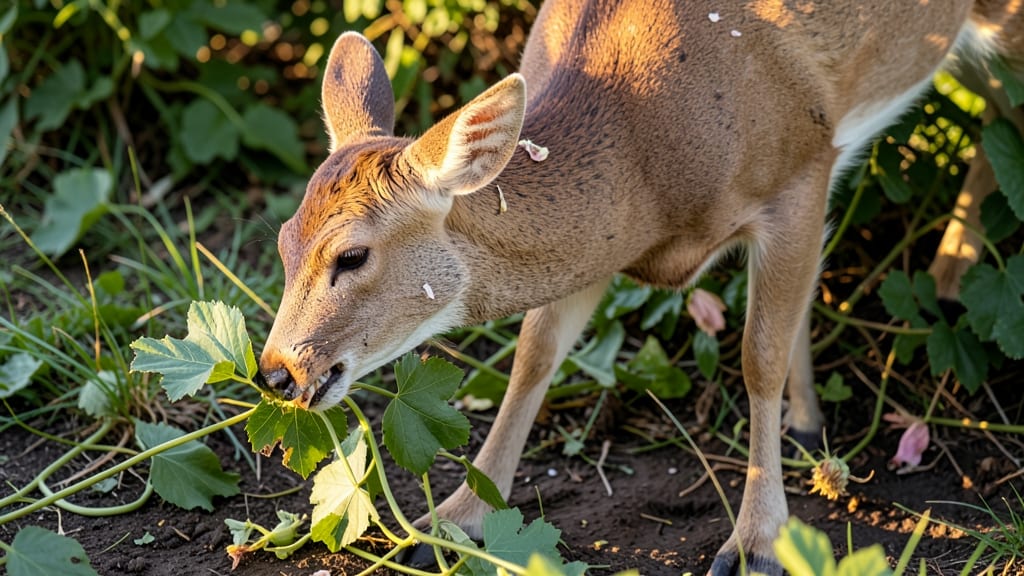
Deer do eat clematis plants, particularly targeting the tender shoots and blooms, which they find both nutritious and easy to digest. Without protection, repeated grazing can stunt growth or kill young vines entirely.
Clematis plants rank high on a deer's menu because their succulent stems and leaves offer a water-rich, protein-packed snack—especially during spring and summer when garden plants are most vulnerable. 🌿 Unlike thorny or toxic alternatives, clematis lacks natural defenses, making it an easy target for browsing wildlife.
I've seen firsthand how deer can strip a vine of all its foliage in a single night, leaving behind only bare stems that struggle to recover.
This preference isn't just about taste—it's also about accessibility. Deer typically browse lower to the ground, and many clematis varieties grow along trellises or fences where they're within easy reach. The key to protecting your plants lies in understanding these patterns and acting before the damage becomes irreversible.
💡 In This Article
- Why Deer Target Clematis Vines in Gardens
- Natural Deer-Resistant Clematis Varieties & Deterrents
Why deer target clematis vines in gardens
Here's what's actually happening when deer zero in on your clematis: these vines contain high moisture content (up to 85% in tender shoots) and moderate protein levels (around 15-20% dry weight), making them an energy-dense snack.
Deer instinctively seek out plants with these nutritional profiles, especially during spring and early summer when their diet needs to support rapid antler growth in bucks and fawn development. The soft, non-woody stems of clematis offer minimal chewing resistance compared to plants with fibrous or thorny structures.
The lack of natural toxins in most clematis varieties makes them particularly appealing.
Unlike milkweed or foxglove (which contain cardiac glycosides), or rhododendrons (with grayanotoxins), clematis contains no significant chemical defenses. 🌱 Even the flowers, which might seem less appealing to humans, contain nectar and pollen that deer find irresistible—similar to how they target garden roses or lilacs.
Studies show deer will consume plants with less than 0.1% alkaloid content, and clematis falls well below this threshold.
Seasonal patterns reveal why clematis becomes a prime target during late spring to early fall. New growth emerges at 3-6 inches per week, creating a continuous buffet for deer.
The 1-2 inch diameter of most stems makes them easy to grasp with a deer's teeth, unlike thicker-stemmed plants like hydrangeas. Even the fragrant blooms (which we love) contain volatile compounds that attract deer—similar to how they're drawn to fragrant herbs like mint or basil.
What most people don't realize is how deer's browsing behavior changes with plant maturity.
Young clematis vines (first year growth) are particularly vulnerable because their stems contain higher water content and lower lignin levels (the structural polymer that makes stems woody). 🌿 Once vines mature and develop woody stems in their second year, deer lose interest—this is why you'll often see selective browsing where only the newest growth is affected.
The contrast between tender new shoots and older wood is striking: new growth has a bright green color and smooth texture, while mature stems are gray-brown and rough.
Comparing clematis to other garden plants reveals its relative vulnerability. While deer might nibble on roses (thanks to their thorns), they'll completely defoliate clematis given the chance. The leaf-to-stem ratio of clematis (typically 3:1) provides more edible material per bite than most alternatives.
Even plants like hostas (which deer also target) have thicker leaves that require more chewing effort. The vertical growth habit of clematis makes it particularly problematic—deer can browse from ground level up to 6-10 feet without needing to stand on hind legs.
Understanding these preferences helps explain why deer often return to the same clematis plants night after night.
The memory and spatial awareness of deer means they'll locate and revisit their favorite food sources—making prevention strategies critical. 🦌 What's surprising is how quickly deer can learn: if they discover a particular clematis vine is unprotected, they'll target it repeatedly until it's either consumed or the plant dies from stress.
This is why gardeners often see selective damage patterns where only certain vines in a garden are affected.