Pests
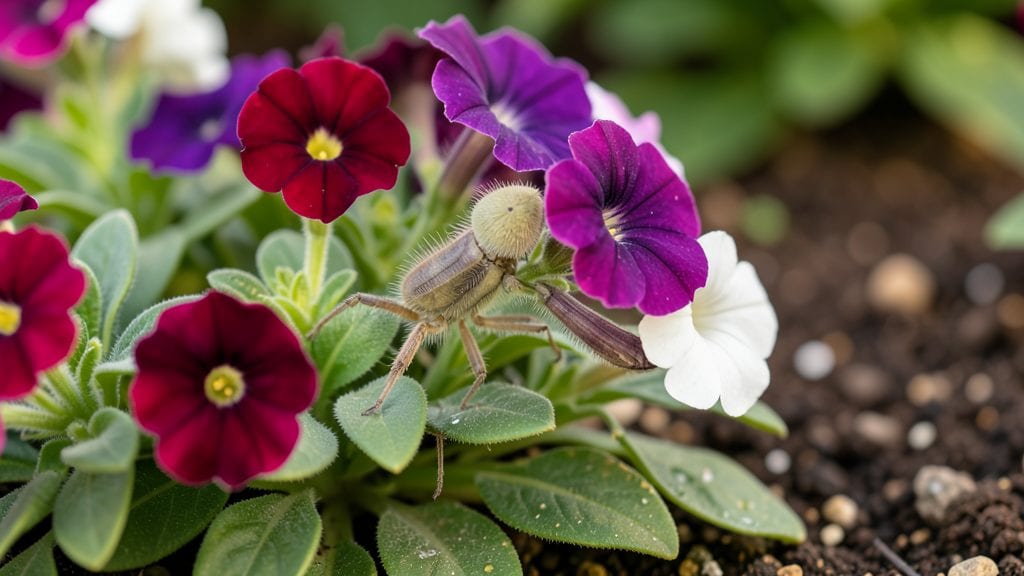
Deer do eat petunia plants, often targeting their leaves and flowers for their tender, sweet foliage and nectar-rich blooms, especially during late spring and summer when food is scarce. Their browsing can quickly defoliate or destroy plants if unchecked.
Petunias are particularly vulnerable because deer find their foliage irresistible—both the sweet scent and the high moisture content in the leaves make them a prime target. 🌿 Unlike tougher plants, petunias lack natural defenses like thorns or strong fragrances that repel deer, making them an easy meal.
I’ve seen entire garden beds stripped bare overnight during peak feeding seasons, especially in areas where natural forage is limited.
Deer rely heavily on their sense of smell, and petunias emit a delicate fragrance that attracts them from a distance. This is why you’ll often notice damage in the evening or early morning when deer are most active.
The brightly colored blooms also act as visual cues, signaling to deer that these plants are both nutritious and accessible.
💡 In This Article
- Why Petunias Are a Deer’s Favorite Garden Snack
- Proven Petunia Protection Strategies Against Deer
Why petunias are a deer’s favorite garden snack
Petunias rank high on a deer's menu because their leaves contain a perfect balance of nutrients and moisture. The tender foliage provides 15-20% moisture content, which is critical for deer—especially during dry summer months when natural forage becomes scarce.
This moisture level is comparable to fresh clover but far more accessible than tougher grasses. The leaves also contain soluble sugars and amino acids, which deer metabolize quickly for energy, making petunias an efficient snack during their 12-16 hour daily grazing periods.
Here's what makes petunias irresistible: their volatile organic compounds (VOCs) create a sweet, slightly floral aroma that deer can detect from up to 300 feet away. This scent profile is similar to that of wildflowers deer naturally forage in meadows.
The blooms add another layer of attraction—their nectar-rich flowers contain 5-10% sugar concentration, comparable to light honey, which provides an instant energy boost. 🌸 What's fascinating is how deer use both smell and sight: they'll often approach petunias first by scent, then confirm with visual inspection of the bright, colorful blooms.
The seasonal timing of petunia growth aligns perfectly with deer's feeding patterns. Deer enter their rutting season in late summer, increasing their food intake by up to 30% to build energy reserves. During this time, petunias are at peak foliage and bloom production, creating a double attraction.
Unlike many garden plants that become tougher in summer heat, petunias maintain their tender texture, making them an easy choice for deer. This is why gardeners often see the most damage between June and September, when both the plants and deer are at their most active.
When comparing petunias to other garden plants, their lack of natural defenses becomes clear. Plants like lavender or rosemary contain oils that deer find unpleasant, while foxglove has toxic compounds that deter browsing.
Petunias, however, offer no such protection—their smooth, thin leaves require minimal chewing effort, and their bright colors serve as visual beacons rather than warnings. Even deer-resistant plants like daffodils have toxic bulbs, but petunias provide immediate, easily accessible nutrition without any harmful effects.
The feeding mechanism itself is fascinating to observe. Deer typically approach petunias from the garden's edge, using their prehensile lips to pluck leaves and flowers without damaging the stems. This selective browsing can create a staggered defoliation pattern, where some plants appear healthy while others are completely stripped.
The damage often occurs between dusk and dawn, when deer feel safest from human interference. 🌙 This nocturnal feeding pattern explains why gardeners might not see the damage until morning, when the evidence is already visible.
What most gardeners don't realize is how quickly deer can learn which plants are most rewarding. If you've successfully protected your petunias one season, deer may return the next year with increased determination, having memorized the location.
This learned behavior is why consistent protection methods are crucial—deer are intelligent foragers that adapt their diets based on what's most available and least defended in their environment.