
Pests
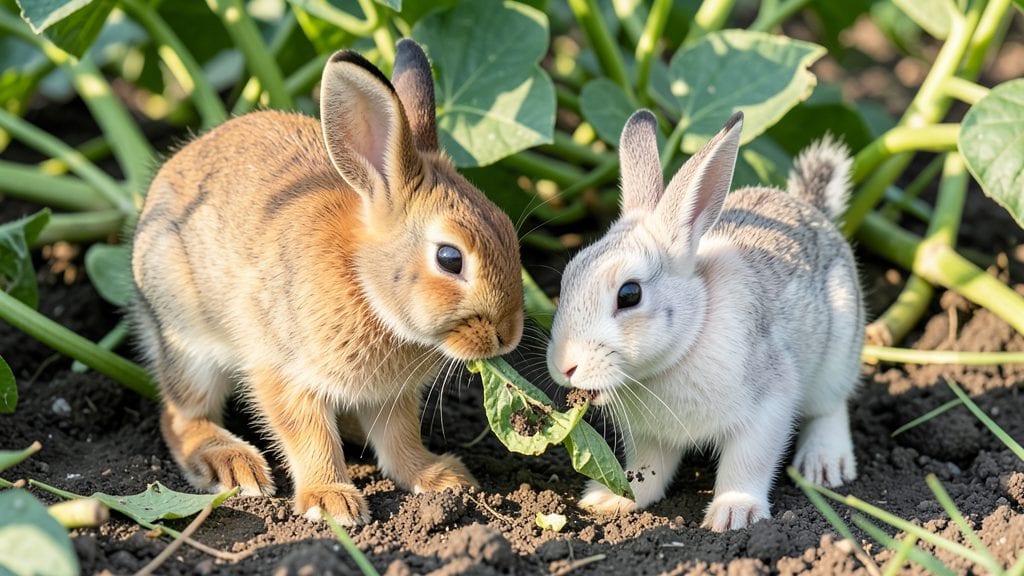
Rabbits eat bean plants, especially green beans and snap peas, but should avoid fava beans and broad beans, which can be toxic. Stick to non-toxic varieties like kidney or lima beans in moderation for garden safety.
Rabbits actually have a natural preference for many bean varieties, but the risks vary widely depending on the type. 🌱 Green beans and snap peas are generally safe in small amounts, offering fiber and nutrients without major issues.
However, fava and broad beans contain compounds like L-DOPA that can cause digestive upset or even toxicity in rabbits, especially when consumed in large quantities. The key is monitoring portion sizes—even safe beans should only make up about 10% of a rabbit's diet to avoid digestive upset.
For gardeners, this means you can safely grow kidney or lima beans near rabbit habitats without worry, but fava and broad beans should be kept far away. 💫 Understanding these differences helps protect both your plants and your pets while still allowing rabbits to enjoy some garden treats.
💡 In This Article
- Toxic vs Safe Bean Varieties for Rabbits
- Rabbit-Proofing Your Bean Garden
Toxic vs safe bean varieties for rabbits
The difference between safe and toxic beans for rabbits comes down to specific chemical compounds found in certain varieties. Fava beans, for example, contain L-DOPA (levodopa), a neuroactive compound that can cause digestive distress, neurological symptoms, or even liver damage in rabbits when consumed in significant amounts.
Broad beans share similar risks due to their high oxalate content, which can lead to kidney strain or bladder stones over time.
These compounds aren't present in equal measure across all beans—fava beans typically contain 10-15 mg of L-DOPA per 100g, while broad beans have 100-200 mg of oxalates per 100g.
On the safe side, kidney beans and lima beans are generally rabbit-friendly when served cooked and in moderation. The key difference lies in their low toxicity profiles—kidney beans contain minimal harmful compounds, while lima beans offer higher protein content (24g per cooked cup) without the same digestive risks.
However, even safe beans must be introduced gradually to avoid gas or diarrhea, as rabbits' sensitive digestive systems can react poorly to sudden dietary changes. 🌱 The plant's maturity also matters: younger, tender beans are more palatable and easier to digest than woody, mature pods.
What most people don't realize is how processing affects toxicity. Raw fava or broad beans are far more dangerous than cooked versions, as heat breaks down some harmful compounds. But even cooked, these beans should never exceed 1 tablespoon per 2 lbs of rabbit body weight as a rare treat.
For comparison, a rabbit's stomach can comfortably handle 1 cup of cooked green beans (about 100g) without issue, while the same amount of fava beans could cause serious problems.
Here's what's actually happening chemically: The L-DOPA in fava beans interferes with dopamine regulation in rabbits, potentially leading to tremors or lethargy.
Meanwhile, oxalates in broad beans bind with calcium, reducing its absorption and potentially causing urinary issues. 💫 These risks don't exist in kidney or lima beans, which contain beneficial fiber and plant-based proteins that support a rabbit's diet when given properly.
The safest approach is to stick with green beans, snap peas, or occasional kidney beans while completely avoiding fava and broad bean varieties.
Plant maturity plays a crucial role in palatability too. Young bean plants (under 6 inches tall) are more tender and less fibrous, making them easier for rabbits to digest. As beans mature, their pods become tougher and develop higher concentrations of protective compounds that rabbits find less appealing.
This natural defense mechanism explains why rabbits often prefer nibbling on younger plants—they're simply more digestible and flavorful at that stage.
For gardeners, this means timing matters when protecting your crops.
Planting beans later in the season when rabbits are less active can reduce losses, as their foraging habits shift with temperature changes. 🌿 Alternatively, growing rabbit-resistant varieties like pole beans (which grow vertically and are harder to reach) can help protect your harvest while still allowing rabbits to graze on other garden areas.