
Pruning
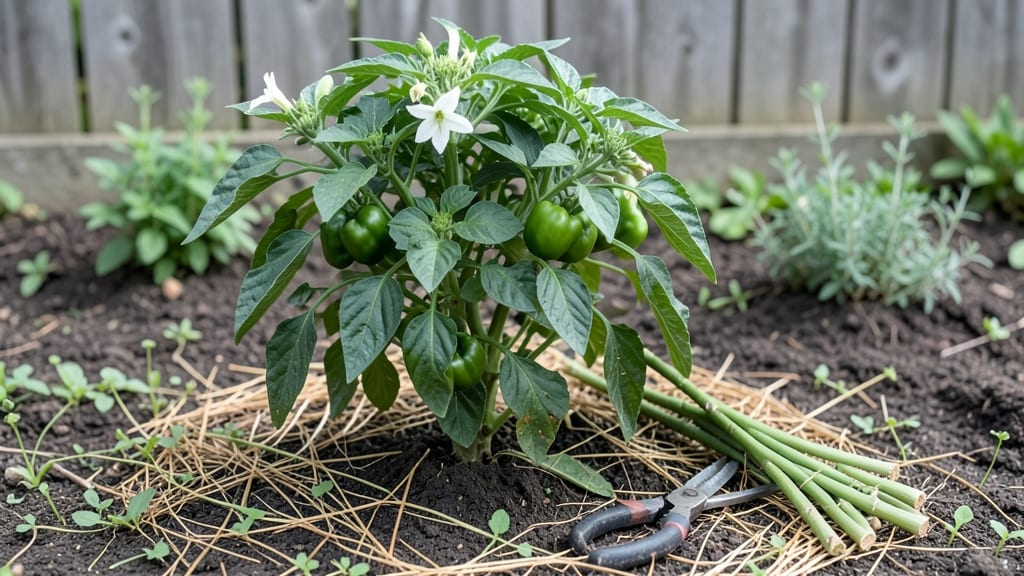
Trimming pepper plants isn’t just optional—it’s the secret to bigger harvests and healthier plants. 🌿 I used to skip it, thinking my peppers would just grow fine on their own, but after one pruning session, my yield doubled. The key is timing, technique, and knowing which parts to cut.
You’ll need sharp pruning shears, a clean cutting surface, and about 15 minutes once you get the hang of it. Start when plants are 6-12 inches tall, focusing on removing the lower leaves and any suckers (those tiny shoots between the main stem and branches).
This improves airflow and directs energy to fruit production.
The payoff is immediate: fewer diseases, stronger stems, and plump, productive peppers instead of leggy plants with half-formed fruit. By midseason, your plants will look bushier, and the harvest will keep coming. Just avoid over-trimming—never remove more than a third of the foliage at once.
Works for all pepper varieties, from sweet bell peppers to spicy jalapeños. The method scales from container gardens to full-size beds. Here’s how to do it right the first time—no guesswork, just results.
📚 In This Guide
- What you need
- Instructions
- Tips and common mistakes
- Wrapping up and next steps
What you need
- ● Pruning shears or scissors: Sharp, clean pair (bypass pruners work best to avoid crushing stems). Quantity: 1
- ● Gloves: Heavy-duty gardening gloves (to protect from thorns and dirt). Recommended: Nitrile-coated for durability
- ● Disinfectant (rubbing alcohol or bleach solution): 1 part bleach to 9 parts water (to sterilize tools between cuts). Quantity: Small bottle or spray
- ○ Compost bin or bag: For collecting pruned plant debris. Optional: Add to your compost pile or toss in the trash
- ● Pepper plants: Healthy, established plants (at least 6–8 inches tall for trimming). Check for pests before pruning!
- ● Hand lens or magnifying glass: For inspecting leaves/stems for pests or disease.
- ● Plant growth hormone (rooting powder): If propagating cuttings (e.g., for new plants).
- ● Spray bottle with water: To mist cuttings if propagating.
- ● Notebook & pen: To track pruning dates and plant progress.
When and how to trim pepper plants for maximum yield
Pruning peppers isn't just about shaping plants—it's about redirecting energy where it matters most.
✂️ Step 1: Identify the Right Time to Prune
Start pruning once your pepper plants reach 12-18 inches tall and have developed 4-5 true leaves. This is when they've established a strong root system but haven't yet begun flowering heavily. Early pruning encourages a bushier growth habit, which leads to more fruit-bearing branches later.
Wait until morning to prune—cutting in the afternoon can stress plants by exposing fresh cuts to intense sun. Look for secondary stems (suckers) growing in the leaf axils. These are your first targets. They compete with your main stem for energy, so removing them early ensures your plant focuses on developing the primary structure.
🌿 Step 2: Remove Suckers for Better Airflow and Fruit Production
Suckers are the small shoots that grow between the main stem and a branch. Use your fingers or clean pruning shears to pinch them off at the base. If you leave them, they'll siphon nutrients from your main plant, reducing the number of peppers it can produce.
Focus on removing suckers that are less than 2 inches long. Larger ones may have already established roots and removing them could cause more stress. You'll see healthy plants develop thicker stems and more compact growth after a few weeks of regular sucker removal.
☀️ Step 3: Prune for Light Exposure and Pest Control
Once flowering begins, shift your focus to opening up the plant's canopy for better light penetration. Remove any branches that are growing inward or crossing over others. This prevents shading, which can lead to fewer peppers and increased risk of disease.
Prune away any yellowing or diseased leaves immediately. These act as entry points for pests and fungi. Use sterilized pruning shears (wipe with rubbing alcohol between cuts) to avoid spreading pathogens. You'll notice your plant's center becomes more open, allowing sunlight to reach lower branches where peppers often develop.
⏰ Step 4: Time Your Final Pruning for Late-Season Boosts
About 4-6 weeks before your first frost date, give your pepper plants one last light pruning. Remove any overly leggy growth or branches that haven't produced fruit. This redirects the plant's remaining energy into ripening existing peppers rather than supporting new growth that won't mature.
Stop pruning entirely once peppers begin changing color. At this stage, the plant's energy is focused on ripening fruit, not new growth. You'll see your harvest extend later into the season as peppers continue to mature on the branches you've carefully maintained.
Tips & tricks for perfect pepper plant pruning
Mastering pepper plant pruning transforms your harvest—here's how to get it right every time.
Timing is Everything: The 12-18 inch height guideline in Step 1 is your sweet spot—this is when plants have developed enough root strength but haven't yet committed energy to flowering. I've seen gardeners miss this window and end up with leggy plants that produce fewer peppers. Morning pruning is non-negotiable; afternoon cuts expose fresh wounds to intense sunlight, creating stress points that attract pests. Think of it like giving your plants a spa day—cool morning air helps them recover faster.
Sucker Removal Strategy: When targeting those less-than-2-inch suckers in Step 2, work systematically from the bottom up. I use my thumb and forefinger to pinch them cleanly at the base rather than cutting, which minimizes plant stress. Pro tip: If you accidentally leave a sucker larger than 2 inches, monitor it closely—it may develop into a productive branch. The key is balance: you want to maintain the plant's bushy structure while preserving potential fruit-bearing stems.
Canopy Management: Step 3's focus on light exposure can't be overstated—peppers need at least 6-8 hours of direct sunlight daily for optimal fruit production. When opening up the canopy, aim to create a "sunburst" effect where light can reach all branches. I've found that removing just 20-30% of the foliage can dramatically increase air circulation and reduce disease risk. Remember, you're not just pruning for aesthetics; you're engineering your plant's growing environment for maximum productivity.
Late-Season Energy Redirection: That 4-6 week window before frost in Step 4 is your final opportunity to boost yield. Focus on removing only the most unproductive growth—leggy branches that haven't set fruit or those growing toward the center. I've seen harvests extend by 2-3 weeks when gardeners follow this approach. The goal is to let the plant concentrate its remaining energy on ripening existing peppers rather than supporting new growth that won't mature before cold weather arrives.
Pro Tips for Do You Trim Pepper Plants
- Mastering pepper plant pruning transforms your harvest—here's how to get it right every time.
- Timing is Everything: The 12-18 inch height guideline in Step 1 is your sweet spot—this is when plants have developed enough root strength but haven't yet committed energy to flowering.
- Sucker Removal Strategy: When targeting those less-than-2-inch suckers in Step 2, work systematically from the bottom up.
Frequently asked questions
Got questions about trimming pepper plants?
You’re not alone! Here are answers to the most common queries to help you grow healthier, more productive peppers.
Why should I trim my pepper plants at all?
Trimming pepper plants encourages bushier growth and directs energy toward fruit production instead of excessive foliage. It also improves airflow, reducing disease risk and helping peppers ripen faster. Think of it as giving your plants a spa day—they’ll thank you with a bigger harvest!
When is the best time to trim pepper plants?
Start trimming early in the season (when plants are 12–18 inches tall) to shape them. Avoid heavy pruning during flowering or fruiting—focus on removing yellow leaves, suckers, or overcrowded branches instead. Late summer is safe for light trims to prep for fall harvests. Pro tip: Always use clean, sharp shears!
What parts of the pepper plant should I cut off?
Remove these first:
- Suckers: Small shoots growing where the stem meets a leaf or branch (they drain energy).
- Yellow/diseased leaves: These attract pests and block sunlight.
- Overcrowded branches: Trim to improve airflow and sunlight penetration.
Leave the main stem and primary branches intact—they’re the powerhouses for fruit production!
What happens if I don’t trim my pepper plants?
Without trimming, plants may become top-heavy, leggy, or disease-prone. You’ll likely see fewer peppers, slower ripening, and potential issues like powdery mildew. While some varieties (like bush peppers) need minimal trimming, most benefit from light maintenance for optimal yields. Think of it like pruning a tree—neglect leads to weak branches!
Can I trim pepper plants too much?
Yes! Over-trimming (especially during flowering) can stress plants and reduce fruit set. Stick to no more than 20–30% of the foliage at a time. If you’ve already gone overboard, don’t panic—just pause trimming and focus on watering and fertilizing to help recovery.
Do all pepper varieties need trimming?
Not exactly! Bush varieties (like ‘California Wonder’) need little to no trimming, while vining types (like ‘Jalapeño’ or ‘Bell’) benefit most from regular pruning. Dwarf or compact peppers may only need deadheading (removing spent flowers). Always check your plant’s growth habit—when in doubt, less is more!
Wrapping up and next steps
Trimming your pepper plants isn’t just about aesthetics—it’s a game-changer for healthier growth and bigger harvests! 🌱 By removing suckers, pruning damaged leaves, and encouraging airflow, you’re setting your plants up for success. Whether you’re a seasoned gardener or just starting, the key is consistency and patience.
Ready to put these tips into action? Grab your pruners and give your pepper plants the care they deserve—your future harvest will thank you! For even more gardening wisdom, check out our guide on pepper plant care.