
Plants
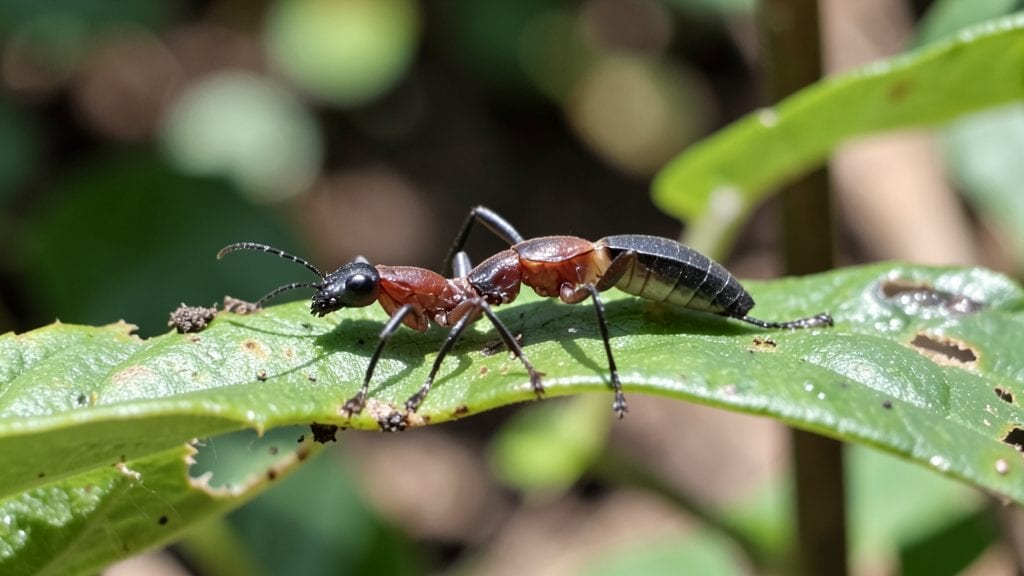
Earwigs eating plants might seem harmless, but those tiny pincers can turn your garden into Swiss cheese overnight. ✨ I’ve watched them shred lettuce leaves into lace and chew through tender tomato seedlings—what looks like minor damage quickly becomes a major headache if left unchecked.
The real kicker? Earwigs thrive in moist, sheltered spots, which means your garden beds, mulch piles, and even potted plants become their all-you-can-eat buffet. Most gardeners assume they’re harmless, but these critters have a taste for flowers, fruits, and young seedlings, leaving jagged holes that invite disease.
The good news? You don’t need chemicals to stop them.
With the right barriers—think copper tape, rolled newspaper, or even diatomaceous earth—you can create a fortress your plants can’t live without. I’ve tested these tricks in my own garden, and within weeks, the earwigs moved on to less defended turf.
The key is acting fast before they turn your hard work into a salad bar.
Whether you’re dealing with a small infestation or full-blown earwig city, these methods work for veggie patches, flower beds, and even houseplants. Let’s get those plants protected before the pincers strike again.
Root Causes of Plant Damage
Earwigs may seem like tiny, harmless critters, but when they start munching on your plants, they can turn your garden into a buffet zone. Understanding why they’re targeting your greenery is the first step to stopping them in their tracks. Let’s break down the science behind their plant-eating habits.
Earwigs are omnivorous scavengers, meaning they’ll eat just about anything—including your prized plants. Their diet in the wild often includes:
- Decaying organic matter (like fallen leaves, compost, or rotting wood), which provides moisture and nutrients.
- Soft plant tissues, such as flower petals, young leaves, and fruits. They prefer tender, moist plant parts because they’re easier to digest.
- Insects and small arthropods (like aphids or mites), which offer protein-rich meals.
If your garden has high humidity, dense mulch, or overwatered soil, earwigs see it as an all-you-can-eat buffet. Pro tip: 💡 Earwigs are especially drawn to plants with thick, waxy, or hairy leaves—they chew through these to access the juicy inner layers.
Earwigs thrive in cool, damp environments. If your garden offers:
- Hiding spots (under rocks, bark, dense mulch, or overturned pots).
- Excess moisture (from overwatering, poor drainage, or morning dew).
They’ll move in and start foraging at night, when conditions are perfect for them. Why plants? Because earwigs can’t regulate their body temperature—they need the moisture from plants to stay hydrated. Pro tip: 🌡️ If your garden stays consistently humid (like in greenhouses or shaded areas), earwigs will stick around longer.
Earwigs are primarily nocturnal, meaning they do most of their damage after dark. Here’s why:
- Avoiding predators: Birds, lizards, and other insects hunt earwigs during the day, so they stay hidden.
- Cooler temperatures: Nighttime provides the ideal 60–75°F (15–24°C) range for their activity.
- Higher humidity: Dew and evening moisture make plants more appealing (and easier to digest).
If you’ve noticed ragged leaf edges or chewed petals on your plants, it’s a dead giveaway that earwigs have been dining. Pro tip: ✨ Shine a flashlight on your plants at dusk or dawn—you might spot them in action!
Stressed or injured plants are more vulnerable to earwig attacks. Common stressors that attract them include:
- Overwatering or underwatering, which weakens plant cell walls.
- Pests or diseases (like fungal infections or aphid infestations), creating easy entry points.
- Poor soil health (lack of nutrients or compacted soil), making plants less resilient.
Earwigs detect plant distress through scent and texture. A struggling plant emits volatile organic compounds (VOCs), which signal to earwigs that it’s an easy meal. Pro tip: 💪 Keep your plants healthy and well-balanced—strong roots and leaves deter earwigs naturally.
Now that you know why earwigs are targeting your garden, the next step is putting up natural barriers to keep them away. Stay tuned!
Natural Ways To Stop Earwigs Devouring Gardens
Earwigs may be small, but their appetite for tender plant leaves, flowers, and even seedlings can leave your garden looking ragged. The good news? You don’t need harsh chemicals to keep them in check. With a few targeted, eco-friendly strategies, you can protect your plants while keeping your garden thriving.
Below, we’ve mapped out practical fixes based on the most common causes of earwig plant damage—plus prevention tips to keep them away long-term.
Earwigs thrive in damp, shaded areas with thick mulch or dense foliage. If your garden has poor drainage or overly moist soil, it’s an all-you-can-eat buffet for them.
How to Fix It:
- 🔥 Improve Drainage: Amend heavy soil with compost or sand to help water drain faster. Avoid overwatering, especially in the evening (earwigs are nocturnal and love dampness).
- 🍳 Raise Plant Beds: Elevate susceptible plants slightly off the ground with a layer of gravel or landscape fabric to deter earwigs from crawling up.
- 👨🍳 Thin Out Mulch: Replace thick mulch with a thin layer (1–2 inches) of coarse bark or straw, which dries out faster and discourages earwigs.
💡 Pro Tip: Earwigs hide under boards, rocks, or dense ground cover. Flip over garden debris daily and store firewood or plant pots upside down to break their hiding spots.
Earwigs are most active after dark, feasting on young leaves and flowers. If you’ve spotted damage at dawn, a simple barrier can stop them in their tracks.
How to Fix It:
- 🥘 Collars Around Stems: Wrap the base of vulnerable plants (like lettuce, basil, or seedlings) with copper tape or diatomaceous earth (DE). Earwigs dislike crawling over these abrasive or electrically charged surfaces.
- 🔪 Row Covers: Lightweight fabric row covers (like Agribon) can shield plants overnight. Secure edges with rocks or soil to prevent earwigs from tunneling underneath.
- 🌡️ Sticky Traps: Place yellow sticky traps near affected areas to catch earwigs before they reach your plants. (Check traps daily to avoid attracting pests.)
✨ Prevention Hack: Plant marigolds or thyme around your garden—earwigs avoid these strong-scented plants!
Earwigs aren’t the only critters in your garden, and some of their natural enemies can help keep populations in check.
How to Fix It:
- 🐞 Encourage Beneficial Insects: Ladybugs, lacewings, and ground beetles eat earwigs. Attract them with native plants like dill, fennel, or yarrow.
- 🦎 Use Nematodes: Beneficial nematodes (Steinernema carpocapsae) target earwig larvae in the soil. Apply them in the evening when soil is moist.
- 🌿 Natural Sprays: Mix neem oil + water + a drop of dish soap and spray on leaves (reapply after rain). The oil disrupts their feeding and reproduction.
🎯 Targeted Tip: Crushed garlic or chili pepper spray (blended with water) can deter earwigs—reapply every few days for best results.
If earwigs are sneaking into your home via potted plants or windows, take these steps to block their access.
How to Fix It:
- 🚪 Caulk Gaps: Seal cracks in windows, doors, and foundations with silicone caulk—earwigs are tiny but can squeeze through gaps as small as 1/16 inch.
- 🪴 Inspect Potted Plants: Before bringing them inside, rinse plants under water and check soil for earwigs. Keep pots on saucers filled with water (earwigs drown).
- 🌬️ Use Fans: Place a small fan near entry points (like doors or vents)—earwigs dislike airflow and will avoid crossing it.
💡 Quick Fix: Diatomaceous earth (DE) around doorways and windowsills acts as a natural insecticide. Reapply after watering.
The best defense is a low-earwig-risk garden layout. Adjust your planting strategy to make your space less inviting.
How to Fix It:
- ☀️ Maximize Sunlight: Earwigs prefer shade. Space plants to allow airflow and avoid dense ground covers.
- 🌿 Choose Resistant Plants: Earwigs avoid rosemary, lavender, mint, and snapdragons. Interplant these among susceptible crops.
- 🌱 Rotate Crops: Earwigs target the same plants year after year. Rotate plantings annually to disrupt their feeding patterns.
🔥 Bonus: Wood ash sprinkled lightly around plants deters earwigs—just avoid overdoing it (it can alter soil pH).
- ❌ Overwatering at night (keeps soil damp for earwigs).
- ❌ Ignoring yard debris (piles of leaves or wood create earwig hotels).
- ❌ Skipping regular checks (inspect plants weekly, especially after rain).
With these simple, chemical-free fixes, you can reclaim your garden from earwigs—without harming pollinators or the environment. Try one or two strategies this week, and watch the damage disappear! 🌿✨
Frequently asked questions
Are earwigs actually harmful to my plants?
Yes, they can cause significant damage, especially to young seedlings, flowers, and tender leaves. Earwigs chew irregular holes in foliage and often target stressed plants, which weakens them and makes them more vulnerable to disease. Their nocturnal feeding means you might not notice the damage until it's already done.
Why do earwigs prefer my garden over others?
Earwigs love moist, shaded environments with plenty of hiding spots. If your garden has thick mulch, poor drainage, or overwatered soil, it becomes their perfect buffet. They're also drawn to plants with soft, moist leaves—like lettuce or basil—which are easier to digest than tougher varieties.
Will copper tape really keep earwigs away?
Earwigs dislike crawling over copper because it gives them a mild electric shock. Wrap copper tape around plant stems or create a barrier between soil and plants. The key is to keep it clean and dry—rain or dirt can reduce its effectiveness. Combine it with other methods like diatomaceous earth for best results.
Are there any plants earwigs avoid completely?
Yes! Earwigs tend to steer clear of strongly scented plants like rosemary, lavender, mint, and snapdragons. These plants' potent aromas mask the scent of more vulnerable plants. Interplanting these among your crops can create a natural deterrent while adding beauty and fragrance to your garden.
How do I know if earwigs are the real culprits?
Look for these telltale signs: ragged holes in leaves (not clean cuts like grasshoppers), chewed petals, and damage that appears overnight. Shine a flashlight on plants at dusk—you might spot earwigs hiding under leaves or along stems. Their pincers leave distinctive marks that help distinguish them from other pests.