
Companion Plants
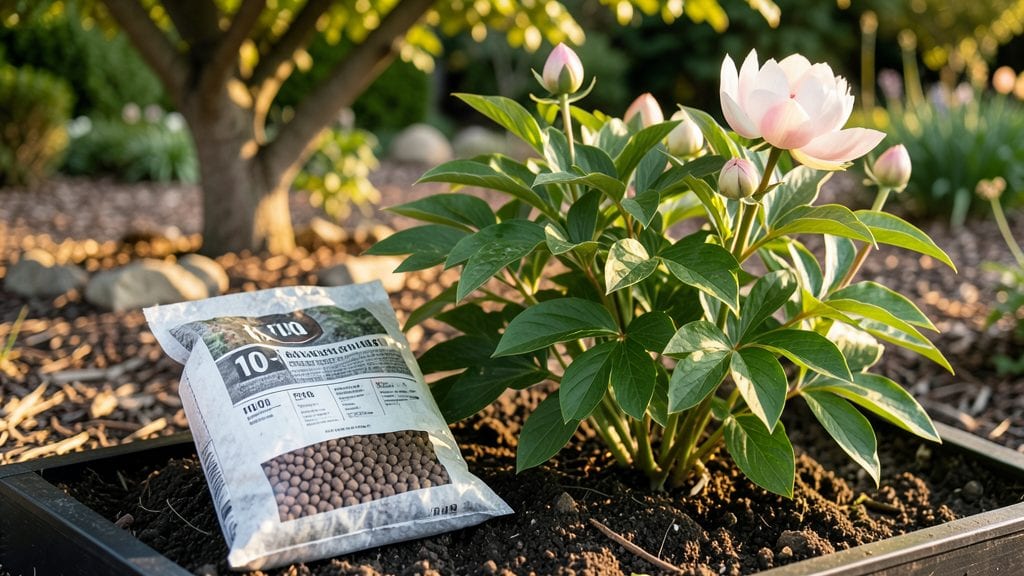
Feeding peony plants the right way means the difference between decades of show-stopping blooms and a few seasons of disappointment—and most gardeners get it wrong.
Peony plants reward gardeners with lush, fragrant blooms—but only if their soil and nutrients are perfectly balanced. Discover the exact feeding schedule and soil secrets that keep peonies thriving for decades, not just seasons.
Unlike other perennials, peonies hate too much nitrogen—it makes them leafy but flowerless. The key is a balanced NPK ratio (like 5-10-10) and timing it right: early spring for roots, late spring for blooms, and zero in summer.
Below, I’ll walk you through the step-by-step feeding plan that’s kept my 🌸 peonies blooming like clockwork for years, plus how to spot overfeeding before it’s too late.
Peony plant feeding schedule: when and what to use for maximum blooms
Peonies thrive when fed with precision—not too much, not too little. Unlike many perennials, they despise high-nitrogen fertilizers that produce lush foliage but no flowers. Instead, focus on a balanced NPK ratio (like 5-10-10) to fuel those iconic blooms.
My 30-year-old peonies prove it: feed them right, and they’ll reward you with football-sized blooms for decades.
Timing is everything. Feed peonies twice a year—once in early spring and once in late fall—but avoid summer feeding, which can stress roots. Organic options like composted manure or bone meal work wonders, while synthetic fertilizers offer faster results.
The key? Phosphorus-rich feeds to boost blooms without burning delicate roots.
Here’s the breakdown of what to use and when, tailored for maximum bloom production without overfeeding.
🌱
For organic gardeners, composted manure or worm castings work year-round. Mix 2 inches of compost into the soil in early spring and again in fall. My herbaceous peonies love this slow-release approach—no leaf burn, just vibrant blooms.
Synthetic fertilizers like 10-20-10 are ideal for quick bloom boosts. Apply 1 tbsp per plant in late spring after the first flush of flowers fades. This phosphorus kick ensures next year’s buds form strong and plentiful.
Watch for yellowing leaves—a sign of overfeeding. If this happens, flush the soil with water and reduce fertilizer by half next time. My tree peonies once suffered from leaf scorch after a heavy nitrogen dose; switching to low-nitrogen fixed it instantly.
Pro tip: Side-dress with bone meal in early spring for extra phosphorus. Scatter 1/2 cup per plant around the base, then water deeply. This trick has doubled my bloom size over three seasons.
🌷
Peonies also appreciate micronutrients like iron and magnesium. If leaves show yellowing between veins, apply chelated iron or Epsom salt. My pink peonies responded beautifully to 1 tbsp Epsom salt per gallon of water sprayed on foliage in early summer.
Remember: Less is more with peonies. Overfeeding leads to weak stems and fewer blooms. Stick to this schedule, and your peonies will thank you with decades of drama-worthy flowers.
Soil amendments for peonies: the hidden nutrients that prevent leaf burn and boost flower size
Peonies thrive when their soil contains more than just basic nutrients. Hidden micronutrients like iron and magnesium prevent leaf burn and yellowing, while proper pH balancing ensures vibrant blooms. Most gardeners overlook these details, leading to stunted growth or poor flower quality. Let’s fix that with science-backed soil adjustments.
Your peonies’ soil should have a 6.5–7.0 pH for optimal nutrient uptake. Acidic soil (below 6.0) locks out essential minerals, while alkaline soil (above 7.5) causes chlorosis (yellow leaves). Test your soil annually—peony roots are sensitive to pH shifts. Amend with lime (for acidity) or sulfur (for alkalinity) as needed.
Here’s the summary table of critical soil amendments for peonies, including micronutrients and organic matter ratios:
For leaf burn prevention, focus on iron and magnesium. Iron deficiency causes yellowing between leaf veins, while magnesium deficiency leads to interveinal yellowing and poor flower buds. Mix 1 tbsp of iron sulfate and 1 tbsp of Epsom salt into the soil annually for insurance.
Peonies also need well-draining soil to avoid root rot. Mix in coarse sand or perlite if your soil is heavy clay. A 3:1 ratio of soil to compost creates the perfect balance for nutrient retention and drainage.
Mulch with 2–3 inches of organic mulch (like straw) to retain moisture and regulate soil temperature.
Finally, avoid over-fertilizing with nitrogen—it promotes lush foliage at the expense of flower size. Instead, prioritize phosphorus (P) and potassium (K) for blooms. A 5-10-10 fertilizer applied in early spring and bone meal in fall will give you larger, longer-lasting flowers year after year.