
Companion Plants
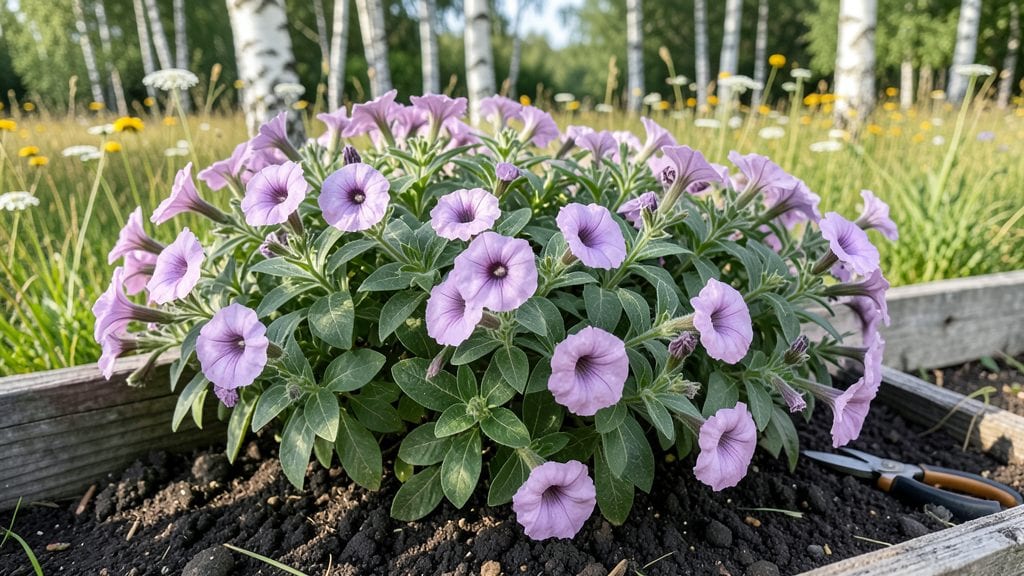
Those fragrant petunias plants in my neighbor’s garden first made me believe flowers could smell like a warm spice cabinet—vanilla, cinnamon, and summer all in one. These aren't your average bedding plants; they're drought-tolerant, long-blooming powerhouses that reward you with fragrance while keeping maintenance simple.
The secret to their success starts with well-draining soil mixed with compost and a sunny spot with at least 6-8 hours of light daily. Most varieties thrive in USDA zones 10-11, but with proper winter protection, you can enjoy them year-round in milder climates.
My favorite fragrant types—'Mitchell Diploid' and 'Sweet Fragrance'—produce blooms that smell best in the evening when bees are done for the day. The key is consistent watering at the base (not overhead) to prevent fungal issues that can drown their delicate scent.
You'll be pinching back leggy growth every 4-6 weeks to encourage bushier plants with more blooms, and the fragrance becomes stronger with each new flush of flowers. By late summer, your garden will smell like a tropical vacation without the travel.
The best part? These petunias play well with others—pair them with lavender or rosemary to create a sensory garden that's pure magic at dusk.
Even in hot, dry spells, they'll keep blooming if you mulch well and avoid over-fertilizing. That first whiff of their signature perfume on a warm evening is worth every minute of care. Ready to transform your space into a fragrant oasis that hums with life all season long?
📚 In This Guide
- What you need
- Instructions
- Tips and common mistakes
- Wrapping up and next steps
What you need
- ● Fragrant petunia plants: Seeds: 1–2 packets (50–100 seeds per packet, depending on variety)
- ● OR Seedlings: 3–6 plants (choose varieties like 'Mitchell Diploid,' 'Sweet Fragrance,' or 'Madness Purple' for strong scents)
- ● Well-draining potting mix: 1–2 bags (5–10 cubic feet, depending on container size)
- ● Containers or garden bed: Containers: 6–12-inch pots (1 plant per 6-inch pot) or window boxes
- ● OR Garden bed: Full sun location (6+ hours of light daily)
- ● Slow-release fertilizer: 1–2 tablespoons per plant (10-10-10 NPK ratio recommended)
- ● Mulch: 1–2 inches of organic mulch (e.g., shredded bark or straw)
- ● Gloves & kneeling pad (for comfort and hygiene)
- ● Trowel or small shovel (for transplanting)
- ● Watering can or hose with gentle spray nozzle (petunias hate soggy roots!)
- ● Pruning shears (for deadheading and shaping)
- ○ Stakes or tomato cages (optional, for taller varieties)
- ● Drought-resistant companion plants: Marigolds, basil, or lavender (to enhance fragrance and deter pests)
- ● Fragrance-boosting tip: A light spray of neem oil (1 tsp per gallon of water) monthly can enhance scent!
How to grow fragrant petunias for long-lasting color
Here’s my go-to method for growing fragrant petunias that bloom all season with minimal fuss.
Choose the Right Variety and Planting Location
Fragrant petunias thrive in full sun—at least 6 hours daily—so pick a spot with southern or western exposure. I always opt for fragrant varieties like 'Mitchell Diploid' or 'Sweet Scented Petunia' because they’re bred specifically for their intoxicating nighttime aroma. These plants also handle heat and drought better than regular petunias, making them perfect for low-maintenance gardens.
If your area gets intense afternoon sun, provide some afternoon shade to prevent leaf scorch. You’ll know the location is right when the petunias you already have grow bushy and stay healthy through summer’s peak heat.
Prepare the Soil and Plant Your Petunias
Petunias love well-draining, slightly acidic soil with a pH between 6.0 and 7.0. Mix 2 gallons of potting mix with 1 gallon of perlite to improve drainage, especially if your native soil is heavy clay. Amend the planting area with 1 cup of compost to provide nutrients without overwhelming the plants.
Dig holes twice as wide as the root ball but only as deep as the container—planting too deep can suffocate the roots. Space plants 12-18 inches apart to allow airflow and prevent disease. Water deeply right after planting to settle the soil around the roots.
Water Consistently and Mulch for Retention
Petunias are drought-tolerant once established, but they need consistent moisture during their first 4-6 weeks of growth. Water deeply 2-3 times per week until the top 2 inches of soil feel dry. Avoid overhead watering—it can spread fungal diseases. Instead, water at the base in the early morning so the foliage dries quickly.
Spread 1 inch of mulch around each plant, keeping it 2 inches away from the stem to prevent rot. Mulch helps retain moisture and keeps roots cool. You’ll notice fewer wilting leaves and stronger stems when the soil stays evenly moist.
Feed and Prune for Continuous Blooms
Start fertilizing 2 weeks after planting with a balanced, water-soluble fertilizer (10-10-10) diluted to half strength. Apply every 2-3 weeks during the growing season to encourage lush foliage and abundant blooms. Petunias are heavy feeders, so don’t skip this step—you’ll see a noticeable difference in flower production.
Deadhead spent blooms weekly by pinching off the faded flowers with your fingers or pruning shears. This encourages new growth and prevents the plant from putting energy into seed production. Prune leggy stems back by one-third to promote bushier, fuller plants.
Overwintering for Year-Round Growth
If you want petunias to bloom again next season, dig up the plants before the first frost and trim them back by half. Repot them in 6-inch containers with fresh potting mix and move them indoors to a cool, bright location (like a sunny windowsill). Reduce watering to once every 2 weeks and keep them dormant until spring.
In early spring, resume regular watering and fertilizing. Once temperatures stay above 50°F at night, you can transplant them back outside. With proper care, your fragrant petunias will reward you with another full season of color and scent.
Tips & tricks for perfect fragrant petunias
Growing fragrant petunias that thrive all season takes a few key strategies—here’s what I’ve learned after years of trial and error to keep your plants blooming beautifully.
Location is Everything: While the instructions mention full sun, I’ve found that the 6 hours of direct sunlight should ideally be in the morning hours. Afternoon sun can be intense, so if your area gets harsh afternoon heat, consider a spot with morning sun and afternoon shade. This prevents leaf scorch while still giving your petunias the light they need to produce abundant blooms.
Soil Preparation Matters: The soil mix of 2 gallons potting mix with 1 gallon perlite is perfect, but don’t skip the 1 cup of compost—it’s crucial for providing the nutrients these heavy feeders need. If your native soil is heavy clay, consider planting in raised beds or containers to ensure proper drainage. I’ve also found that adding a handful of worm castings to the planting hole gives an extra nutrient boost without overwhelming the plants.
Watering Wisdom: During those first 4-6 weeks, watering deeply 2-3 times per week is critical, but timing matters just as much. Water in the early morning so the foliage has all day to dry, which helps prevent fungal diseases. If you notice the top 2 inches of soil staying damp longer than expected, reduce watering slightly—petunias are more drought-tolerant than most gardeners realize once established.
Fertilizer Timing: Starting fertilization 2 weeks after planting with a diluted 10-10-10 fertilizer is spot-on, but I’ve found that switching to a low-nitrogen, high-phosphorus fertilizer (like 5-10-10) after the first month encourages even more blooms. This shift helps redirect the plant’s energy from leaf growth to flower production, which is exactly what you want for fragrant varieties.
Pro Tips for Fragrant Petunias Plants
- Growing fragrant petunias that thrive all season takes a few key strategies—here’s what I’ve learned after years of trial and error to keep your plants blooming beautifully.
- Location is Everything: While the instructions mention full sun, I’ve found that the 6 hours of direct sunlight should ideally be in the morning hours.
- Soil Preparation Matters: The soil mix of 2 gallons potting mix with 1 gallon perlite is perfect, but don’t skip the 1 cup of compost—it’s crucial for providing the nutrients these heavy feeders need.
Frequently asked questions
Got questions about growing fragrant petunias? You're not alone! Here are some of the most common queries—plus expert answers to keep your garden smelling sweet and looking stunning.
How often should I water fragrant petunias?
Water your fragrant petunias deeply 2–3 times per week, especially during hot, dry spells. Aim for about 1 inch of water per week, ensuring the soil stays evenly moist (not soggy). Mulching helps retain moisture and reduces evaporation. Pro tip: Water at the base in the morning to prevent fungal issues from evening dampness.
When is the best time to plant fragrant petunias?
Plant fragrant petunias after the last frost in spring (typically late April to early June, depending on your zone). For a longer bloom season, start seeds indoors 8–10 weeks before the last frost or opt for transplants in early spring. In warm climates, you can also plant in fall for winter color!
What pests or diseases should I watch for?
Fragrant petunias are relatively pest-resistant, but keep an eye out for aphids, spider mites, and whiteflies. For diseases, powdery mildew or bacterial wilt can occur in humid conditions. Improve airflow, avoid overhead watering, and remove affected leaves promptly. Neem oil or insecticidal soap can help deter pests naturally.
Can I grow fragrant petunias in containers?
Fragrant petunias thrive in containers with well-draining soil and a mix of compost for nutrients. Choose pots at least 12 inches wide to accommodate their trailing habits. Place containers in full sun and water consistently. Bonus: Mix with other drought-tolerant plants like lavender or snapdragons for a fragrant, low-maintenance display!
Why aren’t my fragrant petunias blooming as much as expected?
Over-fertilizing with high-nitrogen feed can lead to leafy growth over flowers. Switch to a balanced, bloom-boosting fertilizer (like 10-10-10) and deadhead spent blooms regularly. Also, ensure they get 6+ hours of sunlight daily—shady spots reduce flowering. If blooms are sparse, consider pruning leggy stems to encourage bushier growth.
Wrapping up and next steps
Fragrant petunias aren’t just a burst of color—they’re a low-maintenance, drought-resistant superstar for gardens, containers, and even fragrant borders! 🌸 Whether you’re a seasoned gardener or a beginner, their easy care and intoxicating scent make them a must-have. Ready to elevate your outdoor space?
Your next step? Pick your favorite variety—whether it’s the classic Petunia ‘Mitchell Diploid’ or a fragrant hybrid—and plant them in a sunny spot. Watch your garden transform into a scented paradise with minimal effort!