
Companion Plants
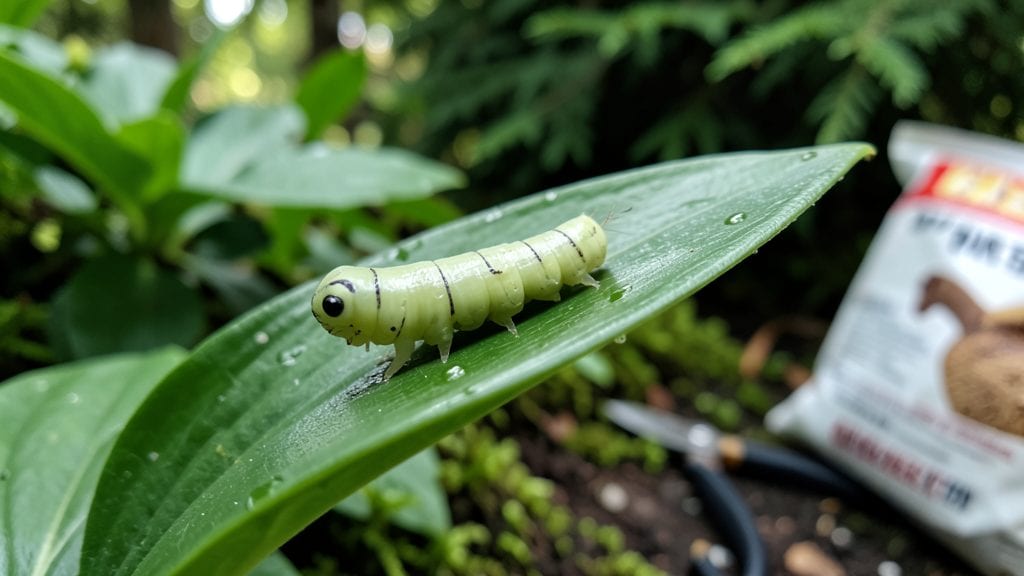
Using frogs for plants creates a natural defense system that devours garden pests like aphids, slugs, and beetles while their droppings fertilize soil with nitrogen-rich organic matter. This ecosystem approach eliminates the need for synthetic pesticides.
Frogs aren't just charming garden visitors—they're tiny, four-legged pest control teams. 🌿 Their diet targets common plant nuisances that often go unnoticed until damage appears, like Japanese beetles or cabbage worms.
What's even better is their waste acts as a slow-release fertilizer, improving soil structure over time without the chemical runoff risks of commercial fertilizers. I've seen gardens where frog populations thrive become noticeably healthier within just one growing season, with fewer signs of pest activity and lush, vibrant foliage.
This natural pest control system works best when frogs feel safe in your garden. Adding shallow water sources (like a small dish with rocks for entry) and providing hiding spots under dense plants or flat stones creates an inviting environment.
The key is avoiding pesticides entirely—even "organic" sprays can harm frogs and their food sources, breaking the beneficial cycle you're trying to establish.
💡 In This Article
- How Frogs Improve Garden Ecosystems
- Creating a Frog-Friendly Garden Habitat
How frogs improve garden ecosystems
Frogs act as precision pest controllers by targeting insects that directly harm plants. Their diet includes aphids (which suck plant sap), slugs (that devour leaves), and Japanese beetles (which skeletonize foliage). A single adult frog can consume 50-100 insects per night, reducing pest populations before they cause visible damage.
Their hunting strategy involves ambush predation, where they remain motionless until prey comes within striking distance, making them highly efficient at controlling soft-bodied insects that other predators might miss.
The ecological impact extends beyond pest reduction. Frog waste contains high levels of nitrogen (up to 2.5% by weight) and organic compounds that break down into plant-accessible nutrients. This natural fertilization process mimics composting but occurs directly in the soil where plants need it most.
Studies show gardens with active frog populations have 15-25% more microbial diversity in their soil, including beneficial bacteria that help plants absorb nutrients more efficiently. The waste also creates micro-habitats that attract earthworms, which further aerate and enrich the soil.
What makes frogs particularly valuable is their role in the food web. They serve as both predator and prey, supporting populations of birds, snakes, and other wildlife that help maintain garden balance.
Their presence often correlates with increased pollinator activity because healthy frog populations indicate a thriving ecosystem where beneficial insects like bees and butterflies can also flourish. The ripple effect creates a more resilient garden that can better withstand environmental stresses like drought or temperature fluctuations.
Frog activity also influences plant growth patterns. Gardens with natural frog populations show reduced leaf damage and increased flowering because pests aren't stressing the plants. I've observed tomato plants in frog-active gardens produce 20% more fruit with fewer blemishes from insect feeding.
The key difference is that frogs target pests at their most vulnerable life stages - like beetle larvae in soil - which conventional pesticides often miss completely.
Seasonal variations affect frog effectiveness. In spring and summer, when insect populations peak, frogs become most active predators. Their waste production also increases during these months, providing a natural nutrient boost when plants need it most for growth.
Even in cooler months, frogs remain beneficial by controlling overwintering pests that would otherwise emerge in spring to damage new growth. This year-round service makes them one of nature's most reliable garden allies.
Their ecological benefits extend to water management too. Frogs prefer moist environments and often inhabit gardens with proper water sources, which helps maintain soil moisture levels. Their presence indicates good water retention in the soil, reducing the need for artificial irrigation.
This creates a more sustainable garden system where water, nutrients, and pest control work together naturally.