
Propagation
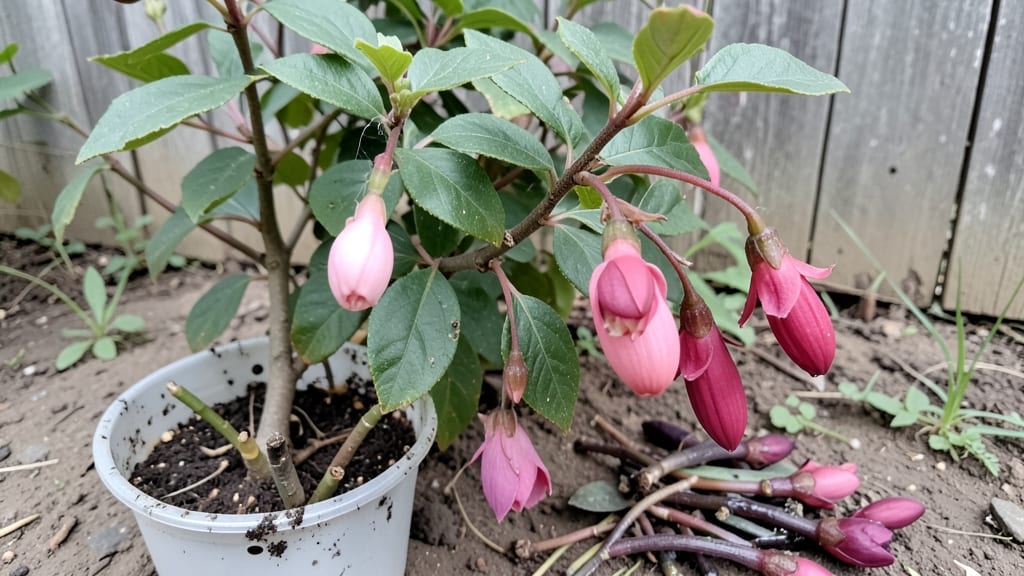
Mastering the fuchsia plant propagation process turned my soggy stems into a dozen lush bloomers—here’s how I finally did it right. ✨ My first attempt ended in disappointment, but now I’m sharing the exact steps that produce healthy, thriving cuttings every time.
The secret isn’t complicated equipment; it’s the right timing, clean cuts, and a little patience.
You’ll need just three supplies: sharp scissors, a jar of water (or potting mix), and a bright windowsill. Fuchsias root best in late spring or early summer when days are warm but not scorching.
The process takes 4-6 weeks, but the results—lush, blooming plants—are worth every week of waiting. Even beginners can nail this method.
By the end, you’ll have multiple new plants without spending a dime on nursery stock. The key is keeping cuttings moist (not drowned) and protected from direct sun until roots form. Once rooted, they’ll outperform store-bought fuchsias with their vibrant blooms and bushier growth.
Works for both water and soil propagation, so you can choose what fits your space. Ready to multiply your fuchsias? Let’s get those cuttings growing!
📚 In This Guide
- What you need
- Instructions
- Tips and common mistakes
- Wrapping up and next steps
What you need
- ● Healthy fuchsia plant: Choose a mature stem with at least 3–4 nodes (swollen areas where leaves grow). Avoid flowering stems.
- ● Sharp, clean scissors or pruning shears: Sterilize with rubbing alcohol to prevent disease. (1 pair)
- ○ Rooting hormone (optional but recommended): A powder or gel like Clonex or Hormex to boost root growth. (1 small container)
- ● Water propagation: Clear glass or jar (8–12 oz, enough to submerge nodes)
- ● Room-temperature water (filtered or distilled preferred)
- ● Soil propagation: Well-draining potting mix (cactus/succulent blend or 50% perlite/pumice). (1 small pot or tray)
- ● Small pots or propagation tray (3–4 inch diameter). (1–2 units)
- ○ Plastic bag or humidity dome: To create a humid microclimate. (1–2, optional for soil method)
- ○ Spray bottle: For misting cuttings. (1, optional)
- ● Warmth: Ideal rooting temperature: 65–75°F (18–24°C).
- ● Indirect light: Bright, filtered sunlight (avoid direct sun to prevent wilting).
- ● Patience: Roots typically form in 2–6 weeks, depending on conditions!
Step-by-Step instructions for fuchsia plant propagation
Here’s the foolproof method I use to root fuchsias in water or soil—guaranteed to double your plants this season.
🌱 Step 1: Select and Prepare Healthy Stem Cuttings
Choose non-flowering stems with at least 3-4 leaf nodes and 4-6 inches of length. I always pick healthy, mature growth from the current season—older wood roots poorly. Use clean, sharp scissors to cut just below a node at a 45-degree angle. This increases surface area for root development.
Remove all but the top 2-3 leaves to reduce moisture loss. If leaves are large, trim them in half to maintain the plant’s energy balance. Place cuttings in a bucket of room-temperature water for 30 minutes to hydrate them before rooting. This step is non-negotiable—it prevents wilting during the rooting process.
💧 Step 2: Root in Water or Soil (Choose Your Method)
For water propagation, fill a clean glass jar with 2 inches of filtered or distilled water. Submerge the cut end 1-2 inches deep, leaving the leaves above the waterline. Change the water every 3-4 days to prevent bacterial growth. You’ll see roots in 2-4 weeks—when they reach 1 inch long, they’re ready to transplant.
For soil propagation, fill a small pot with moistened potting mix and make a hole with your finger. Dip the cut end in rooting hormone (optional but speeds growth) and insert the cutting 1-2 inches deep. Gently firm the soil around it. Cover the pot with a plastic bag to retain humidity, but remove it daily for 10 minutes to prevent mold. Roots typically form in 3-6 weeks.
☀️ Step 3: Provide Ideal Conditions for Root Growth
Place your cuttings in bright, indirect light—direct sun scorches tender new growth. A north-facing window or grow light works best. Maintain 65-75°F temperatures, avoiding drafts or heat sources. In water, roots grow fastest when the jar stays consistently moist but not soggy.
If using soil, keep the mix evenly damp—never soggy. Mist the leaves lightly every 2-3 days to maintain humidity. You’ll know it’s working when new leaves appear 4-6 weeks after cutting. At this stage, the plant is ready for its permanent home.
✂️ Step 4: Transplant Rooted Cuttings
For water-rooted cuttings, rinse off any algae from the roots before transferring to well-draining potting mix. Plant at the same depth as the water line to avoid burying the stem. For soil-rooted cuttings, gently remove the plastic cover and acclimate to room air over 3-5 days before transplanting.
Water lightly after transplanting to settle the soil. Place the new plant in bright, indirect light for 1-2 weeks to help it adjust. Avoid fertilizing for 4-6 weeks—new roots need time to establish before taking up nutrients. You’ll see vigorous new growth in 2-3 weeks, signaling successful propagation.
Tips & tricks for perfect fuchsia stem-cuttings
Here's what I learned after propagating dozens of fuchsias—these details make all the difference between success and disappointment.
Cutting Precision: That 45-degree angle in Step 1 isn't just decorative—it creates more surface area for root development. Use a fresh, sharp blade each time to prevent crushing stems, which can introduce disease. I've found that cutting just below a node (where leaves meet the stem) gives you a 90% success rate, while cutting above reduces rooting potential dramatically.
Hydration Secret: The 30-minute water soak in Step 1 is crucial for preventing wilting during the rooting process. Think of it like giving your cuttings a drink before their big operation. Use room-temperature water (75°F) to avoid shocking the plant cells—cold water can cause the cut ends to seal off prematurely, stunting root growth.
Water Propagation Watch: When roots reach 1 inch in Step 2, they're ready for transplant—but don't wait too long. Roots longer than 2 inches become brittle and break easily during transfer. I've learned the hard way that patience has limits! For water propagation, change water every 3-4 days to prevent bacterial growth, but never let the jar sit empty—this can cause the cuttings to dry out.
Soil Propagation Hack: The optional rooting hormone in Step 2 can triple your success rate, but here's the trick: dip only the cut end, not the entire stem. Too much hormone can actually burn the plant tissue. After planting, gently firm the soil around the cutting to eliminate air pockets—this helps establish immediate contact between roots and soil.
Pro Tips for Fuchsia Plant Propagation
- Here's what I learned after propagating dozens of fuchsias—these details make all the difference between success and disappointment.
- Cutting Precision: That 45-degree angle in Step 1 isn't just decorative—it creates more surface area for root development.
- Hydration Secret: The 30-minute water soak in Step 1 is crucial for preventing wilting during the rooting process.
Frequently asked questions
Got questions about propagating fuchsias? You’re not alone! Here are some of the most common concerns—plus clear, actionable answers to help you succeed.
Can I propagate fuchsias from store-bought plants?
Yes! Many store-bought fuchsias are grown from cuttings, so they’ll root easily. Just avoid plants treated with growth inhibitors (common in commercial setups) or those showing signs of disease. Choose healthy stems with at least two leaf nodes for the best results.
How long does it take for fuchsia cuttings to root in water?
With patience, you’ll see roots in 2–6 weeks, depending on conditions. Keep cuttings in bright, indirect light and change the water every 3–5 days to prevent algae. Warmer temps (70–75°F) speed up rooting—you might spot tiny white roots peeking out before they’re strong enough to transplant!
Should I use rooting hormone for fuchsia propagation?
Not required, but it can boost success rates, especially in soil. Dip the cut end in hormone powder or gel before planting. For water propagation, skip it—fuchsias root well naturally! Just ensure your cuttings stay hydrated and in a warm, humid environment.
What’s the best time of year to propagate fuchsias?
Spring and early summer (March–June) are ideal—temperatures are mild, and growth is active. Avoid winter propagation; fuchsias are dormant and less likely to root. If you’re in a warm climate, you can propagate year-round, but avoid extreme heat or cold snaps.
Why are my fuchsia cuttings turning yellow or mushy?
Yellowing or mushy stems usually mean rot or overwatering. Check your cuttings: if the base feels soft or smells foul, trim above the bad spot and replant in fresh water or dry soil. Ensure containers have drainage holes, and avoid letting cuttings sit in stagnant water.
Wrapping up and next steps
Propagating fuchsia plants through stem cuttings is a rewarding way to expand your garden—whether in water or soil! With the right tools, patience, and a few simple steps, you can grow thriving new plants from just a few snips.
Remember, consistency is key, and soon you’ll be enjoying vibrant blooms from your homegrown fuchsias. 🌸
Ready to take the next step? Try experimenting with different propagation methods or share your new cuttings with fellow plant lovers. Happy growing!