
Blooming
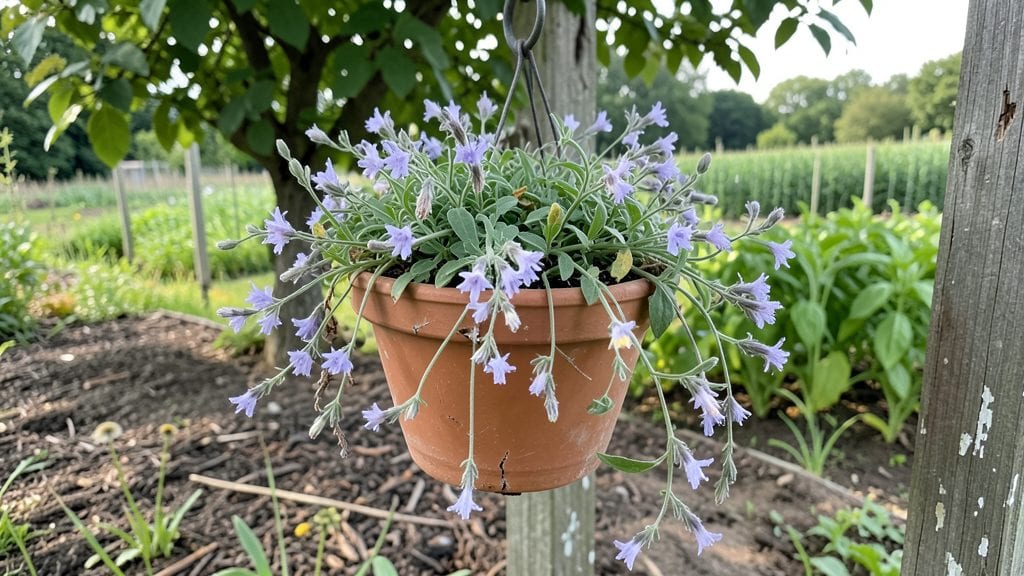
Trailing blooming plants transform any space into a living waterfall of color. 🌿 I learned the hard way that these cascading beauties need careful placement and pruning to keep them thriving all season.
The right varieties—like petunias, nasturtiums, or sweet potato vine—can turn dull corners into vibrant focal points with minimal effort once you understand their needs.
These plants shine in hanging baskets, window boxes, or along borders where their long stems can spill gracefully. Petunias offer bold blooms in every color, while nasturtiums add edible pops of orange and red.
The key is pairing them with complementary plants—like trailing ferns or creeping thyme—to create layered, textured displays that catch the eye from every angle.
With proper pruning—pinching back leggy stems every few weeks—you’ll extend their blooming season from spring through frost. The result? A garden that stays lush and colorful without constant deadheading. Even in cooler months, some varieties like ivy or creeping jenny keep their foliage vibrant, adding structure when flowers fade.
Whether you’re filling a balcony or framing an entryway, these plants deliver instant curb appeal with surprisingly low maintenance. The secret lies in choosing the right mix for your climate and giving them just enough sunlight and water to thrive. Let’s get your space overflowing with cascading color—effortlessly.
📚 In This Guide
- What you need
- Instructions
- Tips and common mistakes
- Wrapping up and next steps
What you need
- ● Trailing blooming plants: 2–5 plants (e.g., Petunia ‘Wave’, Fuchsia ‘Giant Marble’, or Lobelia ‘Crystal Palace’)
- ● Quantity: Adjust based on container size (small pots: 1–2 plants; large planters: 3–5 plants).
- ● Containers: Hanging baskets (12–18" diameter) or window boxes (10–12" width)
- ● Drainage holes: Mandatory to prevent root rot.
- ● Potting soil: 1 bag (18–24 qt) of well-draining, peat-free mix (e.g., Miracle-Gro Potting Mix or Black Gold Natural & Organic)
- ○ Optional: Add 10% perlite or coco coir for extra aeration.
- ● Fertilizer: Slow-release granules (e.g., Osmocote Smart-Release Plant Food) or liquid feed (e.g., Miracle-Gro Bloom Booster)
- ● Application: Follow label instructions (typically every 4–6 weeks).
- ● Pruning shears: Sharp, bypass-style (e.g., Felco F2) for clean cuts.
- ● Gloves: Gardening gloves to protect hands from thorns (e.g., Foliage Rose Garden Gloves).
- ● Watering can: With a rose nozzle for gentle watering.
- ○ Sunlight meter (optional): To check light conditions (6000–8000 lux for full sun; 2000–4000 lux for partial shade).
- ○ Support stakes (optional): For heavy bloomers (e.g., bamboo stakes or coco fiber ties).
- ● Light: Full sun (6+ hours/day) for most trailing bloomers; partial shade (3–6 hours) for fuchsias or impatiens.
- ● Temperature: 50–85°F (10–29°C) (most trailing plants thrive in moderate climates).
- ● Humidity: 50%+ (mist plants or use a humidity tray for indoor setups).
How to cultivate trailing blooming plants for continuous color
Here’s my go-to approach for keeping trailing bloomers lush and flowering nonstop—no dead zones, just vibrant cascades.
🌱 Step 1: Select the Right Containers and Drainage
Start with hanging baskets or window boxes that are at least 12 inches deep—shallow pots stunt root growth and cause plants to dry out too fast. I swear by baskets with multiple drainage holes (or drill extra if needed) to prevent soggy roots. Line the bottom with 1 inch of lightweight gravel to create an air pocket and improve drainage.
Choose containers that match your plant’s mature size. A 12-inch basket works for single trailing plants like petunias or fuchsias, while a 16-inch basket can handle two smaller varieties together. If you’re using window boxes, ensure they’re at least 6 inches deep to accommodate roots and soil.
☀️ Step 2: Fill With Lightweight, Nutrient-Rich Mix
Fill the container ¾ full with a moisture-retentive potting mix blended with 20% perlite or vermiculite for aeration. I avoid garden soil—it compacts and suffocates roots in containers. For extra bloom power, mix in 1 cup of slow-release fertilizer per 12-inch basket or 2 cups per 16-inch basket into the top 4 inches of soil. This ensures steady nutrients without burning tender roots.
Leave 1 inch of space at the top for watering—this prevents soil from spilling out when you water. Tap the container gently on the table to settle the mix without compacting it. The goal is fluffy soil that holds moisture but drains freely.
🌿 Step 3: Plant and Arrange for Full Coverage
Plant one trailing plant per basket (like petunias, lobelia, or bacopa) or two smaller varieties (like sweet potato vine + ivy) for layered texture. Place the plant so its root ball sits just below the soil line—burying too deep causes rot, while planting too high stresses the roots. Gently spread the trailing stems outward to encourage even growth.
For window boxes, plant one trailing plant at the back and one bushier filler (like geraniums or calibrachoa) in front. This creates a waterfall effect while keeping the front dense. Water thoroughly after planting to settle the soil around the roots.
💧 Step 4: Water and Feed for Nonstop Blooms
Water every morning until water runs freely from the drainage holes—this ensures deep hydration without soggy soil. Trailing plants dry out faster in heat, so check soil moisture daily in summer and every 2-3 days in cooler months. Let the top ½ inch of soil dry between waterings to prevent root rot.
Feed every 2 weeks with a balanced liquid fertilizer (10-10-10 or 20-20-20) diluted to half-strength. This keeps blooms vibrant and prevents leggy growth. I switch to a bloom-boosting formula (like 12-32-16) in late summer to extend flowering into fall.
✂️ Step 5: Prune for Bushier Growth and More Flowers
Pinch back new growth when stems reach 4-6 inches to encourage branching. This creates a fuller plant with more blooms instead of a few long, sparse stems. Use clean, sharp scissors to snip just above a leaf node—never tear stems, as this invites disease.
Deadhead spent blooms weekly by cutting back to the nearest set of healthy leaves. This redirects the plant’s energy into producing new flowers instead of seed pods. For trailing plants, I also trim overly long stems in half to maintain shape and prevent them from becoming bare at the base.
Tips & tricks for perfect trailing blooming plants
Here’s what I’ve learned after years of growing trailing bloomers that never quit flowering—these little tweaks make all the difference between a pretty plant and a showstopper.
Container Depth Matters: In Step 1, when choosing containers, remember that 12-inch depth is non-negotiable for trailing plants. Shallow pots dry out too quickly, causing those beautiful cascades to turn crispy at the edges. I’ve seen petunias in 8-inch pots struggle through summer heat—don’t make that mistake. For window boxes, the 6-inch minimum ensures roots have room to spread without competing for space.
Soil Mix Secrets: The 20% perlite or vermiculite in Step 2 isn’t just about aeration—it’s about creating pockets that hold moisture while allowing excess to drain. I like to add a handful of orchid bark (optional) to the mix for extra airiness. When mixing in fertilizer, focus on the top 4 inches of soil where most roots will grow. Pro tip: If your mix feels too dense, add an extra 5% perlite to prevent compaction.
Pruning Precision: When pinching back new growth in Step 5, aim for the 4-6 inch mark—this is where the magic happens. I use clean scissors to make precise cuts just above a leaf node (never tear stems!). For trailing plants, I also trim overly long stems in half to maintain that lush, full look. This might seem drastic, but trust me—it prevents bare stems and encourages bushier growth where you want it most.
Watering Wisdom: That morning watering routine in Step 4 is crucial, but don’t just splash water on top. Water until it runs freely from the drainage holes—this ensures deep hydration without waterlogging. In summer, I check soil moisture twice daily if containers are in full sun. The ½ inch dry topsoil rule prevents both underwatering and root rot. For extra insurance, I water again in the evening during heatwaves.
Pro Tips for Trailing Blooming Plants
- Here’s what I’ve learned after years of growing trailing bloomers that never quit flowering—these little tweaks make all the difference between a pretty plant and a showstopper.
- Container Depth Matters: In Step 1, when choosing containers, remember that 12-inch depth is non-negotiable for trailing plants.
- Soil Mix Secrets: The 20% perlite or vermiculite in Step 2 isn’t just about aeration—it’s about creating pockets that hold moisture while allowing excess to drain.
Frequently asked questions
When is the best time to prune trailing blooming plants for continuous flowers?
Prune right after flowering to encourage new growth and more blooms. For example, deadhead petunias or nasturtiums in late spring, then trim back by ⅓ in early summer. Repeat every 6–8 weeks. Pro tip: Use clean, sharp shears to avoid damaging stems—this prevents disease and keeps plants happy!
How do I extend the blooming season for trailing plants in fall or winter?
Many trailing plants like fuchsias or begonias need a little help in cooler months. Move potted plants to a bright, sheltered spot (like a sunroom or under a patio cover) before frost. Reduce watering slightly but keep soil moist. Bonus: A light layer of mulch or frost cloth can protect roots overnight.
What are the best trailing blooming plants for low-light conditions?
If your space is shady, opt for trailing lobelia, creeping jenny, or ivy geraniums. These thrive with 4–6 hours of indirect light and still deliver vibrant blooms. For hanging baskets, mix them with heuchera (for foliage contrast) to maximize impact. Remember: Avoid overwatering—let soil dry slightly between waterings!
Why are my trailing blooming plants suddenly covered in pests?
Pests like aphids or spider mites love tender new growth. Start with a strong spray of water to knock them off, then treat with neem oil or insecticidal soap (follow label instructions). Prevent future issues by ensuring good airflow and avoiding over-fertilizing with nitrogen—it makes plants soft and pest-magnets!
Can I reuse old soil or containers for trailing blooming plants?
Reusing containers is fine, but sterilize them first—soak in a 1:10 bleach-water mix for 10 minutes, then rinse. For soil, refresh it by removing the top 2–3 inches (where pests and disease lurk) and mixing in compost or fresh potting mix. Warning: Never reuse soil from diseased plants without sterilizing it!
Wrapping up and next steps
Trailing blooming plants are the secret weapon for year-round color—easy to grow, low-maintenance, and packed with charm! 🌸 With the right pruning techniques, you’ll keep them thriving, encourage lush growth, and enjoy nonstop blooms. Whether you’re a seasoned gardener or just starting, these tips make the process simple and rewarding.
Ready to transform your space? Start small—pick one plant, master its care, and let your confidence (and garden!) grow! 🌱 Grab your shears and get pruning!