
Companion Plants
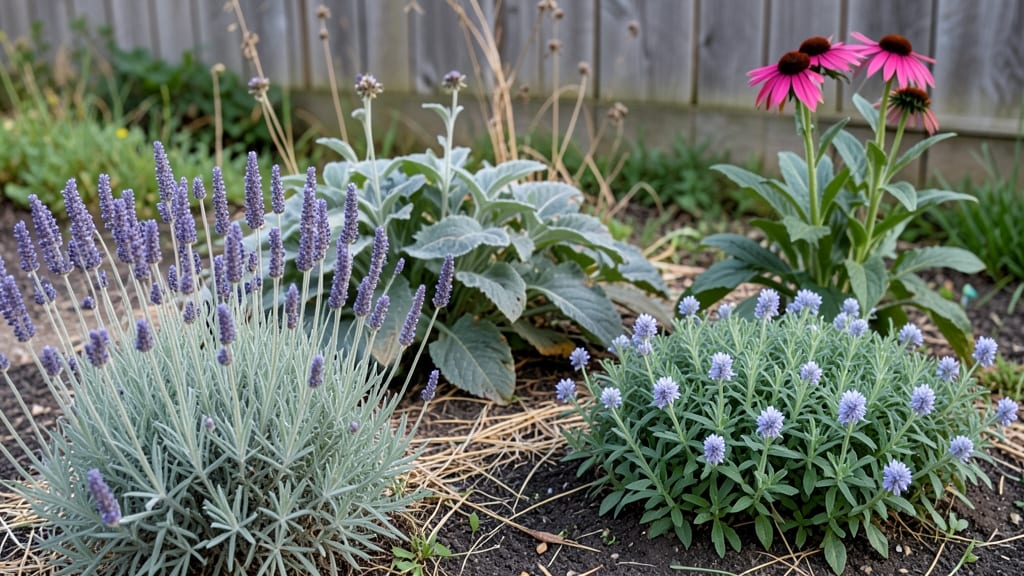
A garden full of plants isn’t just pretty—it’s a buzzing, blooming ecosystem that keeps pollinators coming back all year. 🌿 I learned this the hard way when my first "full" garden turned out to be mostly empty spaces with a few struggling plants.
The secret? Layering plants by height, bloom time, and function so nothing’s wasted space or season.
Start with a mix of perennials for structure—think salvia, coneflowers, and black-eyed Susans—and fill gaps with annuals like zinnias and cosmos for nonstop color. Add climbers like clematis or morning glories to train up trellises, and toss in some ground covers like creeping thyme to tie it all together.
Even in small spaces, this approach works—my balcony now looks like a mini jungle.
By the end of summer, you’ll have a garden that’s not just full but alive—hummingbirds darting between blooms, bees packing pollen, and flowers stretching from spring through frost.
The key is choosing plants that overlap in bloom times so there’s always something in season, and spacing them so air circulates but nothing feels sparse.
This works for cottage gardens, urban green walls, or even a single raised bed. The beauty? Once you get the layers right, maintenance stays light because the plants support each other. Let’s make your garden the kind neighbors envy—and pollinators can’t resist.
📚 In This Guide
- What you need
- Instructions
- Tips and common mistakes
- Wrapping up and next steps
What you need
- ● 10+ native perennials: Choose from Echinacea (coneflower), Rudbeckia (black-eyed Susan), Asclepias (milkweed), and Solidago (goldenrod)—each adds seasonal color and nectar.
- ● 5+ shrubs: Opt for Viburnum, Spirea, or Butterfly Bush (plant in clusters for impact).
- ● 3+ ground covers: Creeping thyme, Ajuga (bugleweed), or Sedum fill gaps and attract pollinators.
- ● Garden tools: Trowel, pruners, gloves, and a wheelbarrow.
- ● Soil prep: 2–3 bags of compost + 1 bag of native soil mix (or peat-free alternative).
- ● Mulch: 2–3 cubic feet of wood chips or straw (retains moisture and suppresses weeds).
- ○ Optional extras: Drip irrigation kit (for low-maintenance watering).
- ● Pollinator-friendly bird bath or shallow dish (add pebbles for grip).
- ● Stakes or obelisks for climbing plants (e.g., Clematis).
- ● Sunlight: 6+ hours of full sun daily (adjust for partial shade with shade-tolerant picks like Heuchera).
- ● Space: Minimum 4’x4’ area (expand for larger pollinator impact!).
- ● Water access: Hose or nearby spigot for initial planting.
- ● Local expertise: Check native plant nurseries or extension office for region-specific recommendations.
Step-by-Step instructions for creating a year-round pollinator haven
Let’s design a thriving garden that keeps bees, butterflies, and hummingbirds buzzing from spring to frost.
🌱 Step 1: Plan for Seasonal Layers of Blooms
Start by sketching a 4-foot by 4-foot area (or larger if you have space). Divide it into three layers: tall plants (3-6 feet), mid-height (1-3 feet), and ground covers. This creates a dynamic vertical garden that attracts pollinators at every height. I like to use native plants—they’re low-maintenance and pollinator magnets.
For spring blooms, include early starters like violets or crocuses. In summer, add coneflowers, black-eyed Susans, and bee balm. For fall, asters and goldenrod will keep visitors coming. Finally, winter interest comes from evergreen shrubs like boxwood or ornamental grasses that hold seed heads for birds.
☀️ Step 2: Place for Maximum Sun and Wind Protection
Pollinators need at least 6 hours of sun daily, so choose a spot with full sun exposure. If your yard has afternoon shade, focus on shade-tolerant perennials like heuchera or hostas for the shadier edges. Avoid windy areas—pollinators struggle to navigate in gusts, and delicate flowers can get damaged.
I always add a small windbreak, like a 3-foot-tall shrub (such as butterfly bush) on the north or west side. This creates a cozy landing zone for bees and butterflies while protecting smaller plants. Test your spot by observing how sunlight moves across it throughout the day—you’ll spot the sweetest pollinator hotspot.
💧 Step 3: Amend Soil and Plant for Pollinator-Friendly Roots
Loosen the soil to a depth of 12 inches with a garden fork—this helps roots spread and access water. Mix in 2 inches of compost to enrich the soil naturally. Pollinators love plants with shallow, fibrous roots, so avoid heavy amendments like peat moss, which can compact.
When planting, space perennials 12-18 inches apart to allow airflow and prevent disease. I like to group plants by color—purples, blues, and whites attract bees, while reds and oranges lure hummingbirds. Add a small water source, like a shallow dish with pebbles, to give thirsty visitors a drink.
✂️ Step 4: Maintain with Minimal Trimming and Deadheading
Pollinators rely on continuous blooms, so avoid heavy pruning. Instead, deadhead spent flowers (remove faded blooms) to encourage new growth. For perennials like coneflowers, I leave some seed heads—birds and bees love them too! Cut back woody stems in early spring before new growth starts.
Water deeply once a week (or more in drought) to keep soil moist but not soggy. Mulch with 2 inches of shredded bark to retain moisture and suppress weeds. This keeps your pollinator garden looking tidy while supporting a healthy ecosystem.
🪴 Step 5: Add Extras for Year-Round Success
To extend the season, tuck in winter-hardy bulbs like snowdrops or crocuses for early spring color. Plant climbing vines (like honeysuckle) near trellises to attract butterflies. A small patch of native wildflowers in a corner will draw even more pollinators.
Finally, avoid pesticides—even "organic" sprays can harm bees. If pests appear, handpick them or use neem oil as a last resort. Your garden will thrive as a living, breathing ecosystem that keeps pollinators happy all year.
Tips & tricks for perfect year-round pollinator gardens
Creating a thriving pollinator garden takes more than just planting flowers—it’s about thoughtful design and maintenance that keeps these essential visitors happy all year. Here’s what I’ve learned after years of watching bees, butterflies, and hummingbirds thrive in my own garden.
Layering is Everything: In Step 1, when you’re planning your 4-foot by 4-foot area, think vertically! The 3-6 foot tall plants (like coneflowers) provide landing platforms for butterflies, while mid-height plants (bee balm) offer shelter from wind, and ground covers (like violets) protect soil moisture. I’ve noticed that hummingbirds particularly love when reds and oranges are placed near taller plants—they use them as perches while feeding.
Sunlight Strategy: The 6 hours of daily sun requirement in Step 2 is non-negotiable, but here’s the secret: test your spot throughout the day. I’ve ruined multiple plantings by assuming morning sun would work, only to discover afternoon shade was actually the limiting factor. Mark your garden area with stakes at different times to track sunlight patterns—this simple step saved me from replanting twice!
Soil Secrets: When amending your soil in Step 3, focus on creating that perfect loose texture to a depth of 12 inches. I’ve found that adding a handful of worm castings along with the 2 inches of compost gives an extra boost to root development. For clay-heavy soil, mix in some coarse sand to improve drainage—pollinators won’t thrive if their plants are waterlogged.
Maintenance Mindset: Step 4’s advice about minimal trimming is golden, but here’s what nobody tells you: deadheading isn’t just about looks. When you remove spent blooms from coneflowers, you’re actually encouraging the plant to put energy into producing more flowers rather than seeds. I’ve seen gardens double their bloom time just by being consistent with this simple task—it’s like giving your plants a second wind!
Pro Tips for Full Of Plants
- Creating a thriving pollinator garden takes more than just planting flowers—it’s about thoughtful design and maintenance that keeps these essential visitors happy all year.
- Layering is Everything: In Step 1, when you’re planning your 4-foot by 4-foot area, think vertically!
- Sunlight Strategy: The 6 hours of daily sun requirement in Step 2 is non-negotiable, but here’s the secret: test your spot throughout the day.
Frequently asked questions
Got questions about creating a full-of-plants pollinator haven? You’re not alone! Here are some of the most common queries—and their answers—to help you design a thriving, buzzing garden all year long.
What are the easiest pollinator plants to grow for beginners?
Start with hardy, low-maintenance favorites like bee balm, coneflowers, or lavender. These plants attract bees, butterflies, and hummingbirds while tolerating less-than-perfect soil. Sunflowers and marigolds are also great for quick results and minimal fuss!
When is the best time to plant for year-round blooms?
For a full-of-plants garden that blooms continuously, stagger your plantings! Start with early spring perennials (like columbine), add summer annuals (e.g., zinnia), and include late-season bloomers (e.g., asters or goldenrod). Succession planting every 4–6 weeks keeps food for pollinators coming.
Can I create a pollinator garden in a small space, like a balcony or patio?
Use container-friendly plants like thyme, basil, or petunias in pots, window boxes, or vertical planters. Even a single bee-friendly tomato plant or herb spiral can make a difference. Just ensure they get enough sun (6+ hours/day) and water!
What do I do if I don’t see many pollinators visiting my garden?
Try these fixes:
- Add more color variety: Pollinators love blue, purple, and yellow flowers.
- Include native plants: Locals know the best sources!
- Avoid pesticides: Even "organic" sprays can harm them.
- Provide water: A shallow dish with pebbles works like a pollinator spa!
Are there any plants I should avoid to keep my garden pollinator-friendly?
Skip invasive species (e.g., English ivy) and double-flowered varieties (like some peonies), as they often lack pollen or nectar. Also, avoid herbicides or neonicotinoids, which can harm bees and butterflies. Stick to native, pesticide-free options for the best results!
Wrapping up and next steps
A garden full of plants isn’t just visually stunning—it’s a thriving ecosystem that supports pollinators year-round! 🌸 By blending perennials, annuals, and native species, you create a dynamic haven that keeps bees, butterflies, and hummingbirds buzzing (or fluttering) through every season.
The key? Diversity—mix colors, textures, and bloom times for nonstop beauty and biodiversity.
Ready to transform your space? Start small—even a single pollinator-friendly patch makes a difference. Grab a notebook, sketch your dream garden, and plant with purpose! 🌿 Whether you’re a beginner or a green thumb, every bloom counts.