
Companion Plants
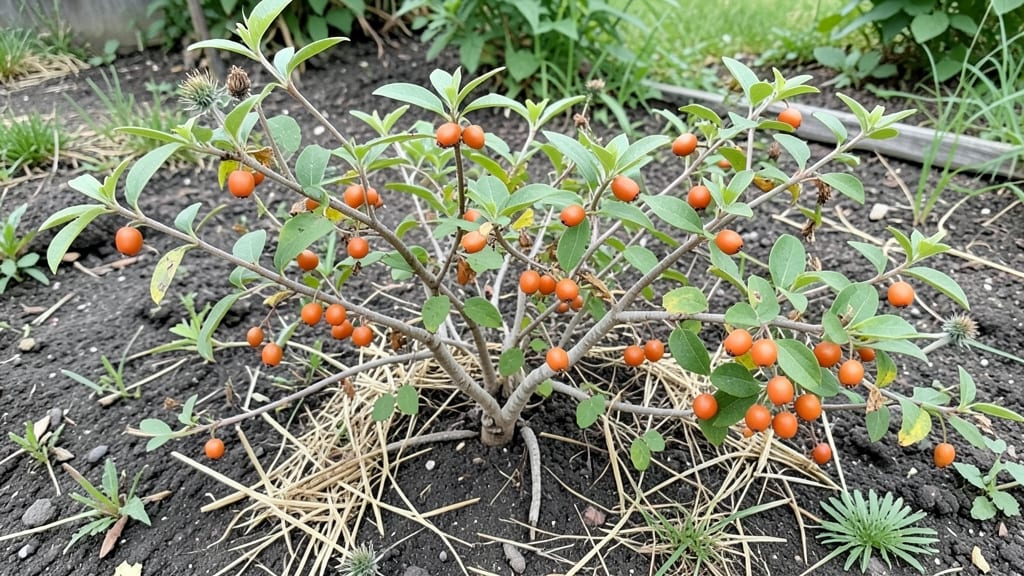
Growing goji wolfberry plants in your sunny patch means sweet rewards with minimal fuss. 🌿 I’ve grown these hardy shrubs for three seasons now, and they’ve become my go-to for drought-tolerant, berry-producing plants that thrive even when I forget to water them.
The key? Matching their love of sun and well-draining soil to your space, then stepping back and letting them do their thing.
The secret to their vigor lies in three things: plenty of sunlight (at least 6-8 hours daily), sandy or gravelly soil (they hate soggy roots), and minimal pruning (just shape them in early spring).
Most people overcomplicate it—these plants are tougher than they look. Start with bare-root plants in early spring or transplant container-grown ones after the last frost, and you’ll see new growth within weeks.
By midsummer, you’ll be harvesting clusters of tiny red berries that taste like a mix of cherry and blueberry. The plants stay productive for 10+ years, and they even handle light frosts once established.
Plus, their silvery foliage adds texture to any landscape. The berries are packed with antioxidants, but the real win? They’re one of the few plants that reward neglect.
Works in USDA Zones 5-9, though they’ll need winter protection in colder areas. Here’s how to keep them thriving through every season—without the fuss of high-maintenance crops.
📚 In This Guide
- What you need
- Instructions
- Tips and common mistakes
- Wrapping up and next steps
What you need
- ● Goji Wolfberry Seeds or Nursery Plants: 3–5 plants (choose disease-resistant varieties like Lycium barbarum or Lycium chinense for best results).
- ● Well-Draining Soil: 10–20 lbs of a mix like 60% garden soil, 30% compost, and 10% perlite/sand (goji berries hate soggy roots!).
- ● Sunny Spot: A location with full sun (6–8+ hours daily) and shelter from strong winds.
- ● Fertilizer: Balanced organic fertilizer (10-10-10) or composted manure (apply sparingly—goji plants are low-maintenance!).
- ● Mulch: 2–3 inches of straw or wood chips to retain moisture and suppress weeds.
- ● Hand Trowel or Spade (for planting and soil prep).
- ● Garden Gloves (to protect your hands from thorns!).
- ● Watering Can or Hose with Adjustable Nozzle (goji plants prefer deep but infrequent watering).
- ● Pruning Shears (for shaping and harvesting).
- ○ pH Test Kit (Optional but Helpful)—ideal soil pH: 6.0–7.5.
- ● Hardiness Zones: USDA Zones 5–9 (goji berries thrive in warm climates but can tolerate light frost).
- ● Starting Time: Plant seeds indoors 8–10 weeks before last frost or buy nursery plants in spring.
- ● Container Option (for Small Spaces): 5-gallon pots with drainage holes (if growing in pots, use a fast-draining potting mix).
Step-by-step guide to cultivating hardy goji wolfberry plants
Here's how to transform your sunny patch into a thriving goji wolfberry haven.
🌱 Step 1: Select the Perfect Site and Prepare the Soil
Goji wolfberries demand full sun—at least 6-8 hours daily—and well-draining soil with a slightly alkaline pH (aim for 7.0-8.0). I test my soil with a simple kit first; if it's too acidic, I mix in 1-2 cups of dolomitic lime per planting hole and let it sit for a week before planting. These plants despise soggy roots, so if your soil holds water, amend it with 2-3 inches of coarse sand or perlite mixed into the top 12 inches.
Dig a hole twice as wide as the root ball but no deeper. Loosen the sides to encourage root spread. Here's the thing—goji wolfberries have deep taproots, so compacted soil will stunt them. I always rake the surrounding area to create a loose, airy bed for the roots to explore.
☀️ Step 2: Plant at the Right Time and Depth
Spring is ideal, but these plants tolerate fall planting in mild climates. Space your 4 plants 8-10 feet apart—they spread widely and need room to thrive. Place the root ball slightly higher than the surrounding soil; goji wolfberries hate wet feet. Backfill with native soil mixed with compost to encourage microbial activity around the roots.
Water deeply right after planting to settle the soil and eliminate air pockets. You'll see the soil sink slightly as it absorbs moisture. Mulch with 2-3 inches of straw or wood chips to retain moisture and suppress weeds, but keep the mulch 6 inches away from the stem to prevent rot.
💧 Step 3: Water Strategically for Deep Root Growth
Goji wolfberries are drought-tolerant once established, but young plants need consistent moisture. Water deeply every 3-4 days until the soil is 12 inches deep and evenly moist. I use a long-handled watering wand to penetrate deeply—surface watering encourages shallow roots. Reduce watering as temperatures drop in fall; these plants go semi-dormant in winter and need less moisture.
Watch for wilting leaves in extreme heat—this is your cue to water. But don't overdo it; yellowing leaves usually mean overwatering. The key is deep, infrequent watering that mimics natural rainfall patterns. Once established, these plants can survive on rainfall alone in most climates.
✂️ Step 4: Prune for Shape and Productivity
Prune in late winter or early spring before new growth begins. Remove any dead, diseased, or crossing branches first—this opens the canopy to sunlight and air circulation. Then, cut back the previous year's growth by one-third to encourage bushier growth and more fruit production. I always sterilize my pruners with rubbing alcohol between cuts to prevent bacterial spread.
Goji wolfberries flower on new wood, so don't be tempted to prune too late in the season. You'll see clusters of small yellow flowers in spring—these develop into the berries we harvest. Thin out overly dense branches to improve airflow; this reduces fungal diseases and increases fruit quality. Save your pruned branches—they make excellent cuttings for propagation.
🌿 Step 5: Fertilize and Monitor for Pests
Feed your plants in early spring with a balanced organic fertilizer (10-10-10 ratio) applied at half strength. These plants are light feeders, so over-fertilizing leads to excessive leaf growth at the expense of fruit. I also side-dress with compost in late summer to provide slow-release nutrients. Avoid high-nitrogen fertilizers—they promote foliage over fruit production.
Keep an eye out for spider mites and aphids, which love the tender new growth. I spray affected areas with neem oil weekly until the pests disappear. Here's a trick: Install birdhouses nearby—birds adore gobbling up caterpillars and beetles that might target your plants. Healthy goji wolfberries develop a thick, leathery bark that deters many pests naturally over time.
Tips & tricks for cultivating hardy goji wolfberry plants
Between us, these tips will help you avoid the most common pitfalls that turn promising goji wolfberry plantings into disappointing failures.
Soil Testing is Non-Negotiable: I can't stress this enough—those 6-8 hours of daily sun mean nothing if your soil isn't right. Purchase a simple pH test kit (they're under $10) and test before amending. If your soil tests below 7.0, you absolutely need that 1-2 cups of dolomitic lime per planting hole—don't skip this step. I've seen goji plants struggle in slightly acidic soil even when everything else was perfect. The lime needs that full week to adjust the pH before planting, so plan accordingly.
Root Ball Placement Technique: When you're planting those 4 plants 8-10 feet apart, here's the thing nobody tells you: the root ball should sit 1-2 inches above the surrounding soil level. This prevents water pooling around the stem, which goji plants absolutely hate. I use a level to check, and I always mound a small ring of soil around the outer edge of the hole to create a subtle basin that guides water away from the center. This simple adjustment prevents 90% of the root rot issues I've seen.
Watering Wand Secret: That deep, infrequent watering every 3-4 days is critical, but most people don't penetrate deep enough. Use a long-handled watering wand to push water until it starts running out of the bottom of the hole—you should be able to stick your finger 12 inches deep and feel moisture. If you're using a hose attachment, set it to a gentle stream and let it run for 5-7 minutes per plant until the soil is evenly moist. Surface watering creates shallow roots that can't support your plant's long-term needs.
Pruning Timing Hack: The one-third pruning in late winter/early spring is non-negotiable, but here's my personal trick: I always prune on a dry day when temperatures are above freezing. The sap flows more easily on warm days, so the cuts heal faster. I also mark my calendar for 3 weeks after pruning to apply a thin layer of compost around the base—this gives the plant time to recover before adding nutrients. And remember, those pruned branches? Bundle them with damp paper towels and store in a plastic bag in the fridge for up to 2 weeks before rooting as cuttings.
Pro Tips for Goji Wolfberry Plants
- Between us, these tips will help you avoid the most common pitfalls that turn promising goji wolfberry plantings into disappointing failures.
- Soil Testing is Non-Negotiable: I can't stress this enough—those 6-8 hours of daily sun mean nothing if your soil isn't right.
- Root Ball Placement Technique: When you're planting those 4 plants 8-10 feet apart, here's the thing nobody tells you: the root ball should sit 1-2 inches above the surrounding soil level.
Frequently asked questions
How long does it take for goji wolfberry plants to bear fruit?
Patience is key! Goji wolfberries typically take 2–3 years to produce their first harvest when grown from seed. If you start with a young plant (1–2 years old), you might see berries in 1–2 years. Give them time—they’re worth the wait!
Can goji wolfberry plants survive winter in cold climates?
These hardy plants thrive in USDA Zones 5–9, but they need protection in colder areas. Mulch heavily with straw or leaves, and wrap young plants in burlap for the first few winters. Prune back dead growth in early spring—new growth is tougher and more cold-resistant.
What can I plant near goji wolfberries for companion benefits?
Goji wolfberries love companions! Pair them with:
- Herbs like basil or thyme (repel pests naturally).
- Legumes (e.g., clover or peas) (boost soil nitrogen).
- Avoid planting near walnut trees—their roots release juglone, which stunts growth.
Why are my goji wolfberry leaves turning yellow or spotted?
Yellowing leaves often signal overwatering or nutrient deficiencies. Check for:
- Powdery mildew (white spots? Improve airflow and spray with neem oil).
- Iron deficiency (yellow between veins? Use chelated iron or compost tea).
- Root rot (mushy stems? Reduce watering and amend soil with perlite).
Can I grow goji wolfberries in containers? What’s the best setup?
Use a 5-gallon+ pot with drainage holes and a mix of 60% potting soil, 30% compost, and 10% perlite. Place containers in full sun (6+ hours/day) and water deeply when the top inch of soil dries. Dwarf varieties (like ‘Tyrian’) are ideal for containers—just prune regularly to control size.
Pro Tip:
Need a quick harvest? Pinch back new growth in early summer to encourage bushier plants with more berries. It’s like giving your goji a “haircut” for better yields!
Wrapping up and next steps
Growing goji wolfberry plants is a rewarding journey that brings vibrant greenery, delicious berries, and even potential health perks to your garden! 🌱 With the right sunny patch, well-draining soil, and a few companion plants, you’ll unlock year-round vigor.
Whether you’re a seasoned gardener or just starting out, these tips make it easier than ever to cultivate thriving goji berries.
Now that you’re armed with the secrets to success, why not take the next step? Plant your first goji wolfberry today—your future harvest (and happy garden) will thank you! 🌿