Pests
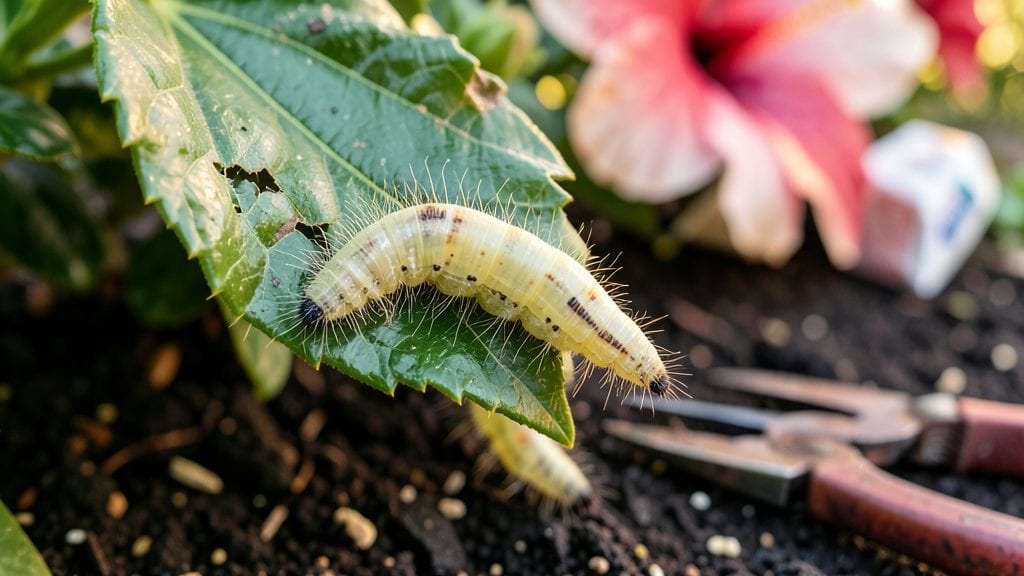
When hibiscus worms strike, your plants can go from showstopper to sad in days. 🌿 I’ve wrestled with caterpillars, cutworms, and even root-knot nematodes chewing through my hibiscus leaves—and I’ve learned exactly what works to save them without harsh chemicals.
The key isn’t just spotting the damage (those ragged leaves or wilting stems are dead giveaways), but acting fast with organic fixes that actually stick.
Most gardeners panic and reach for pesticides, but that’s overkill for hibiscus worms. Instead, focus on three simple steps: hand-picking the pests (yes, really), introducing natural predators like ladybugs or nematodes, and boosting your plant’s defenses with neem oil or companion plants.
My hibiscus now thrives year-round because I caught the problem early and used the right tools—no fancy equipment needed.
By the end of this, you’ll know how to spot worms before they do major damage, which organic sprays work best (and which don’t), and how to keep your hibiscus looking lush and healthy.
The best part? These methods protect your plants and the local ecosystem—no more chemical battles that harm bees or butterflies. Let’s get your hibiscus back to its vibrant self.
Whether you’re dealing with leaf-munching caterpillars or sneaky root-knot nematodes, the same principles apply. The goal is prevention, not just cleanup—so your hibiscus stays strong for seasons to come. Here’s how to turn the tide without losing your sanity (or your plants).
Root Causes Of Leaf Munchers
Understanding why worms and caterpillars target your hibiscus isn’t just about spotting damage—it’s about uncovering the hidden triggers that turn your prized plant into an all-you-can-eat buffet. Here’s why these pests show up uninvited, and what’s really making your hibiscus their favorite snack spot.
Worms and caterpillars have a simple rule: the softer and more nutritious the leaf, the better. Overripe or overly mature hibiscus leaves become a prime target because they’re packed with sugars and thinner cell walls—easy pickings for hungry larvae.
- Why it happens: As hibiscus leaves age, their cell structure weakens, making them easier for pests to chew through.
Additionally, excess nitrogen fertilizer (common in fast-growing plants) boosts leaf tenderness, signaling to pests that the plant is "ripe for the taking." - Actionable insight: Prune older leaves regularly to remove the most vulnerable targets.
If you’ve been heavy-handed with fertilizer, switch to a balanced 10-10-10 formula to toughen up new growth.
Many hibiscus worms start life as tiny eggs laid by moths (like the hibiscus looper or tomato hornworm). These eggs are often camouflaged on the undersides of leaves, making them nearly invisible until the larvae hatch.
- Why it happens: Female moths prefer to lay eggs in warm, humid microclimates—think dense foliage or shaded areas where moisture lingers.
If your hibiscus is in a greenhouse, conservatory, or heavily mulched bed, you’re creating the perfect nursery. - Actionable insight: Inspect leaves daily (especially undersides) with a magnifying glass. Look for tiny white or yellow specks—these could be egg clusters.
Remove infested leaves immediately and dispose of them in soapy water to prevent hatching.
Plants under stress (whether from drought, root rot, or poor drainage) release volatile organic compounds (VOCs) that act like a dinner bell for pests. Worms and caterpillars can smell when a plant is weakened and flock to it.
- Why it happens: - Underwatering → Leaves become crispy and nutrient-dense, a red flag for pests. - Overwatering → Root rot creates a damp, bacteria-rich environment that attracts egg-laying moths. - Pests already present? Some worms (like hibiscus leafrollers) release pheromones that attract more of their kind, turning a small problem into an infestation overnight. - Actionable insight: Keep soil consistently moist but not soggy (aim for the "squeeze test"—if water drips out, you’re overdoing it).
Use mulch to regulate moisture, but avoid piling it directly against stems to prevent fungal stress.
Some hibiscus worms aren’t permanent residents—they’re seasonal invaders. For example:
- Tomato hornworms (which love hibiscus) migrate from nearby tomato or pepper plants.
- Hibiscus loopers thrive in warm, humid summers and can explode in population if left unchecked.
- Why it happens: These pests follow wind patterns, temperature shifts, and host plant availability.
If your neighbors have tomato gardens or your area has had recent rain (which boosts moth activity), your hibiscus is suddenly on the menu. - Actionable insight: Monitor local pest reports (many gardeners share alerts on Facebook groups or extension service apps).
Set up yellow sticky traps near your hibiscus to catch adult moths before they lay eggs.
Believe it or not, fungal infections can make hibiscus leaves more appealing to worms. Powdery mildew or downy mildew create a sticky, sugar-rich coating on leaves, which larvae find irresistible.
- Why it happens: Fungal spores thrive in high humidity and poor airflow. When they infect leaves, the resulting honeydew (a sugary byproduct) attracts ants—and ants farm these pests, protecting them from predators. - Actionable insight: Improve air circulation with strategic pruning and avoid overhead watering.
If mildew appears, spray leaves with a baking soda solution (1 tsp baking soda + 1 quart water + a drop of dish soap) to disrupt fungal growth.
Not all plants are friends to hibiscus. Some attract the same pests or disrupt natural predator populations, leaving your hibiscus vulnerable.
- Why it happens: - Basil, dill, or fennel near hibiscus can attract swallowtail butterfly caterpillars, which will happily munch on hibiscus too. - Weedy hosts (like malvaceae family plants such as mallow) provide a buffer zone where pests breed before moving to your hibiscus. - Actionable insight: Plant repellent companions like marigolds, lemongrass, or catnip around your hibiscus.
These emit scents that deter moths and other egg-layers. Remove any wild mallows or related weeds within 10 feet of your plant.
Quick Fixes for Wormy Hibiscus
Worms in your hibiscus plants can feel like a nightmare, but don’t panic—these pests are beatable with the right moves! Below are targeted solutions for the most common causes of worm infestations, from quick fixes to long-term prevention.
Each fix is designed to be easy, organic, and effective so you can save your hibiscus without harsh chemicals.
Signs: Silky webs, skeletonized leaves, or tiny green worms clinging to foliage.
🔥 Step 1: Handpick the Pests (Best for Small Infestations)
- When: Early morning or evening (worms are sluggish and easier to spot).
- How:
- Wear gloves and inspect leaves for webs and worms.
- Drop them into soapy water (1 tbsp dish soap per gallon of water) to kill them instantly.
- Check undersides of leaves and new growth—these are hotspots!
- Pro Tip: 💡 Do this every 2–3 days for a week to break their life cycle.
🍳 Step 2: Spray with Neem Oil (Organic Knock-Out)
- Why? Neem oil disrupts worm hormones and acts as a repellent.
- How to Mix:
- 1 tbsp neem oil + 1 tsp mild soap (like Castile) + 1 quart water.
- Shake well and spray directly on worms and webs (focus on leaf undersides).
- Reapply every 5–7 days until worms vanish.
- Pro Tip: 🌡️ Spray in early morning or late evening to avoid harming bees.
👨🍳 Step 3: Introduce Natural Predators (Long-Term Defense)
- Who? Parasitic wasps (like Braconid wasps) lay eggs inside webworms, killing them naturally.
- How to Attract Them:
- Plant dill, fennel, or marigolds nearby—they love these flowers.
- Avoid pesticides (even organic ones) for 2–3 weeks after introducing predators.
🚫 Prevention Tips:
✔ Prune regularly—remove damaged leaves and webs before they spread. ✔ Encourage birds—they love munching on webworms! Hang a bird feeder nearby. ✔ Use row covers (lightweight fabric) if infestations are severe in spring/summer.
Signs: Chewed leaves with black frass (poop), no webs, and green caterpillar-like larvae.
🔪 Step 1: Drown Them in Soapy Water (Fastest Fix)
- Why? Sawfly larvae are soft-bodied and drown easily.
- How:
- Fill a bucket with soapy water (1 tsp dish soap per gallon).
- Shake plants gently to dislodge larvae, then dip infested leaves in the solution.
- Repeat daily for 3–4 days to catch new hatchlings.
🥘 Step 2: BT (Bacillus thuringiensis) Spray (Safe & Effective)
- Why? BT is a natural bacteria that kills caterpillars (including sawflies) when eaten.
- How to Use:
- Mix 1 tsp BT powder with 1 quart water + a drop of soap (helps it stick).
- Spray thoroughly on leaves, especially new growth.
- Reapply after rain or every 7–10 days.
- Pro Tip: ✨ Best used at dusk—it’s safe for bees but works faster in cooler temps.
⏰ Step 3: Trap Cropping (Distract & Destroy)
- How It Works: Plant a sacrificial crop (like nasturtiums or radishes) near your hibiscus.
- Why? Sawflies will prefer these over your hibiscus—just pull and destroy the infested plants when they move in.
🚫 Prevention Tips:
✔ Remove egg masses—check leaf undersides for tiny white oval eggs and scrape them off. ✔ Avoid over-fertilizing—soft new growth attracts sawflies. ✔ Plant companion flowers like basil or lavender—their scent repels larvae.
Signs: Yellowing leaves, poor growth, and small knots (galls) on roots.
🌱 Step 1: Solarize the Soil (Best for Severe Cases)
- Why? Heat kills nematodes naturally.
- How:
- Clear the area around the hibiscus (remove mulch, weeds).
- Water the soil deeply, then cover with clear plastic (secured tightly).
- Leave for 4–6 weeks in hot sun (soil temp should reach 104°F+).
- Pro Tip: 🔥 Do this in late spring/early summer for maximum effect.
💡 Step 2: Use Marigolds as a Trap Crop
- Why? Certain marigolds (French marigolds) release a nematicide into the soil.
- How:
- Plant marigolds around your hibiscus in early spring.
- Let them grow for 8–10 weeks, then pull and discard (they’ll take nematodes with them).
- Repeat annually for best results.
🍎 Step 3: Boost Plant Resistance with Compost Tea
- Why? Healthy plants fight off nematodes better.
- How to Make Compost Tea:
- Steep 1 cup compost in 5 gallons water for 24–48 hours.
- Strain and water your hibiscus with it weekly during growing season.
- Pro Tip: 🌱 Add a handful of coffee grounds to the tea—caffeic acid repels nematodes.
🚫 Prevention Tips:
✔ Rotate crops—don’t plant hibiscus (or other susceptible plants) in the same spot year after year. ✔ Test your soil—if nematodes are a recurring issue, consider a professional soil test. ✔ Avoid overwatering—nematodes thrive in soggy soil.
If your hibiscus is severely damaged, don’t hesitate to:
- Prune back all infested leaves (sterilize shears with rubbing alcohol).
- Repot the plant in fresh, nematode-free soil (add sand or perlite for drainage).
- Quarantine the plant for 2 weeks to monitor for new pests.
Remember: Consistency is key! Worms and larvae reproduce fast, so stay vigilant and act at the first sign of trouble. With these fixes, your hibiscus will bounce back stronger than ever—and you’ll enjoy those stunning blooms worm-free! 🌺💚
Frequently asked questions
What are the most common types of worms attacking hibiscus plants?
Hibiscus plants often face hibiscus loopers, tomato hornworms, root-knot nematodes, and sawfly larvae. These pests target leaves, roots, or stems, causing ragged edges, wilting, or stunted growth. Early identification is key—check leaf undersides and soil health regularly.
How do I know if my hibiscus has worms instead of just normal wear and tear?
Look for irregular holes, black frass (worm poop), or silky webs on leaves. Unlike natural leaf drop, worm damage often appears suddenly and targets new growth. A quick test: Shake the plant—if tiny worms or eggs fall, you’ve got an infestation.
Are chemical pesticides safe for hibiscus plants?
Chemicals can harm hibiscus over time, especially synthetic pyrethroids, which disrupt beneficial insects. Opt for neem oil, BT (Bacillus thuringiensis), or soapy water first. If chemicals are unavoidable, use spot treatments and avoid blooming periods to protect pollinators.
Can I save a hibiscus plant that’s already heavily damaged by worms?
Yes! Prune all infested leaves (sterilize shears with rubbing alcohol), repot in fresh soil, and quarantine for 2 weeks. Boost recovery with compost tea and marigolds nearby to deter future pests. Severe cases may need soil solarization for root issues.
How often should I inspect my hibiscus for worms?
Check every 3–5 days during peak season (spring/summer). Focus on leaf undersides, new growth, and soil. Early detection stops small problems from becoming full-blown infestations. Use a magnifying glass for tiny eggs or larvae.