
Companion Plants
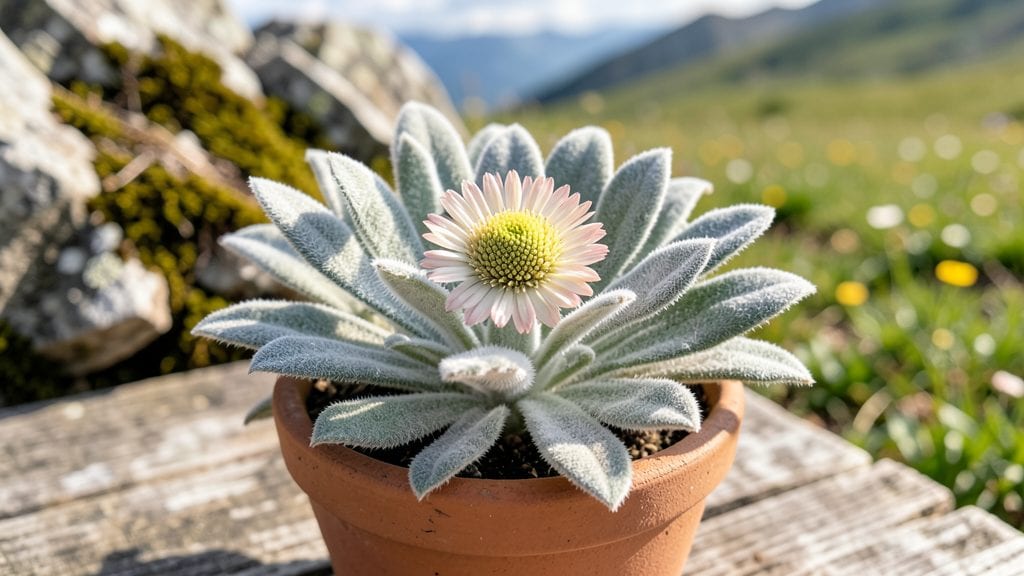
Mastering the high altitude plants at 3,000+ feet proved that elevation doesn’t mean sacrificing a thriving garden—just adapting with clever tricks.
The right plants, like hardy Andean potatoes or alpine asters, thrive where others struggle, and the secret lies in understanding how cooler temps, stronger UV, and shorter seasons actually work in your favor. My first mountain garden failed spectacularly until I learned to embrace these conditions instead of fighting them.
You’ll need three key adjustments: soil that drains fast but holds moisture, watering that mimics mountain rain (deep but infrequent), and sunlight protection for delicate leaves. Most high-altitude gardens succeed with native perennials, cold-tolerant veggies, and shade-loving flowers—plants that naturally handle the thin air and quick temperature swings.
I swapped my heat-loving tomatoes for purple-stemmed potatoes and himalayan giant hyssop, and now my garden stays productive from May through September.
The payoff is a garden that feels wildly resilient—think velvety blue alpine forget-me-nots, crisp heads of highland barley, and tomatoes that ripen slower but taste sweeter.
You’ll also discover microclimates where frost lingers in valleys but warms quickly on south-facing slopes, letting you stretch your growing season with simple tricks like black plastic mulch or cold frames. This isn’t just gardening; it’s learning to read the land like the mountain farmers who’ve done it for centuries.
Whether you’re in the Rockies, Andes, or Appalachians, these strategies adapt to your specific elevation. The first step? Pick plants that already love the conditions you’re dealing with—then let the mountain do the rest of the work.
Your garden will thank you with bold colors, hearty harvests, and zero guilt about what didn’t grow.
📚 In This Guide
- What you need
- Instructions
- Tips and common mistakes
- Wrapping up and next steps
What you need
- ● Soil: Well-draining, rocky, or sandy soil mix (e.g., cactus/succulent blend or mountain garden soil)
- ○ Optional: Perlite or pumice (10-20%) for aeration
- ● Containers: Terracotta pots (10-12 inches deep) or raised beds for alpine plants
- ○ Optional: Rock gardens or sloped planters for natural drainage
- ● Plants: Seedlings or mature high-altitude species (e.g., Sedum, Sempervivum, or Andean potatoes)
- ● Pro tip: Choose cold-hardy, drought-tolerant varieties (🌡️ USDA Zones 3-7)
- ● Hand trowel (for delicate root handling)
- ● Gloves (gardening or work gloves)
- ● Watering can with a fine rose nozzle (to avoid soil erosion)
- ○ Optional: Gravel or pebbles (for mulching and drainage)
- ○ Optional: pH testing kit (to monitor soil acidity, ideal: 5.5-7.0)
- ● Sunlight: 6+ hours of direct sun daily (south-facing exposure preferred)
- ● Temperature: Cool nights (40-60°F) and mild days (60-75°F)
- ● Water source: Drip irrigation or manual watering in the morning (avoid overhead watering)
Instructions for selecting and cultivating high-altitude plants
Mountain gardens demand a different approach—here’s how to choose and grow plants that thrive above 5,000 feet.
Choose Cold-Hardy, Drought-Tolerant Varieties
High-altitude gardens face shorter growing seasons and intense sunlight, so select plants bred for USDA Hardiness Zones 3-6. Look for alpine species like columbines, penstemons, and mountain lavender, which naturally endure thin air and temperature swings. Avoid heat-loving tropicals—they’ll bolt or wilt under 60°F days and 30°F nights. I always check seed packets for "high-altitude tested" labels to skip trial-and-error.
Native wildflowers are your best bet—they’ve evolved to handle low humidity, poor soil, and strong winds. For example, blue flax and blanket flower thrive where most annuals fail. If introducing non-natives, opt for short-day plants (like snow-in-summer) that flower reliably in 10-12 hour daylight cycles. Skip long-day varieties—they’ll waste energy chasing sunlight they’ll never get.
Adjust Planting Depth and Spacing
High-altitude soil drains faster and holds less moisture, so plant 1-2 inches deeper than recommended on seed packets. This anchors roots below the top 2 inches of drying soil, where they’ll find more consistent moisture. For example, sage and thyme should go 1 inch deeper than usual to prevent desiccation.
Space plants 20-30% farther apart than lowland guidelines. Crowding increases competition for water in dry, rocky soil. I use a 6-inch grid for most perennials, even if labels suggest 4 inches. This also improves airflow, reducing fungal risks like powdery mildew, which thrives in mountain humidity troughs at dawn.
Modify Watering for Thin Air and Wind
Water deeply every 3-4 days instead of frequent light sprinkles—high-altitude soil dries out 30% faster due to lower air pressure. Use drip irrigation or soaker hoses to deliver moisture directly to roots, minimizing evaporation. I set timers for 10-15 minutes per zone in the early morning to prevent fungal growth from overnight dampness.
Mulch heavily with 2-3 inches of straw or wood chips to insulate roots and retain moisture. Avoid organic mulches like grass clippings—they decompose too quickly in cool soils. For containers, use self-watering pots to maintain consistent moisture, as wind accelerates evaporation from small volumes.
Extend the Growing Season Strategically
Use row covers or cold frames to trap heat and protect tender seedlings from late spring frosts, which can occur after May 15 even in Zone 5. I’ve seen tomato plants fried by 50°F daytime highs followed by 32°F nights—row covers add 5-8°F of protection. Remove covers by early June to avoid overheating during 70°F+ days.
For fall planting, choose fast-maturing varieties like bush beans or radishes that complete their life cycle before first frost (typically September 15-30 at 5,000+ feet). Succession plant every 2 weeks to stagger harvests. I also use black plastic mulch under heat-loving crops like peppers to warm soil 5-10°F above ambient.
Fertilize Lightly and Early
High-altitude soils are often nutrient-poor, so apply half the recommended fertilizer rate in early spring (March-April) when roots are most active. Use slow-release organic fertilizers like composted manure or bone meal to prevent leaching from frequent rain events. I avoid synthetic nitrogen—it promotes lush top growth that freezes back in mountain winters.
Side-dress with compost tea or fish emulsion in mid-July to support late-season growth. Watch for salt buildup from fertilizers—high-altitude evaporation concentrates minerals faster. If leaves yellow between veins, flush the soil with 2 inches of water to leach excess salts.
Tips & tricks for perfect mountain garden planting
Mountain gardening requires precision—here are the key strategies I’ve learned to help your high-altitude plants thrive where others fail.
Selection Intelligence: When choosing plants for Step 1, prioritize those labeled "high-altitude tested" on seed packets. I’ve found that even within alpine species, some varieties handle 60°F days and 30°F nights better than others. For example, columbines from Colorado strains tolerate 10°F better than those from lower elevations. Cross-reference with your local extension service’s zone maps—they often provide altitude-adjusted hardiness guides.
Planting Depth Precision: In Step 2, that extra 1-2 inches of depth isn’t just about moisture—it’s about temperature regulation. The top 2 inches of mountain soil can swing 20°F between day and night. By planting deeper, you’re creating a more stable thermal environment for roots. For sage and thyme, I make a small trench first to ensure proper depth without compacting the soil around the roots.
Watering Strategy: The 3-4 day watering schedule in Step 3 works because high-altitude soil’s 30% faster drying rate creates a paradox: you need to water less frequently but more thoroughly. I’ve seen gardeners drown their plants by following lowland watering schedules. Use a moisture meter to verify when the top 2 inches are bone dry—this is your true indicator, not just the calendar.
Season Extension Tactics: For Step 4’s row covers, timing is everything. I install them when nighttime temperatures consistently drop below 50°F, usually around May 15 at 5,000 feet. The key is removing them by early June before daytime temperatures hit 70°F+—any later and you risk overheating. I’ve lost entire tomato plants when covers trapped too much heat during 80°F days.
Pro Tips for High Altitude Plants
- Mountain gardening requires precision—here are the key strategies I’ve learned to help your high-altitude plants thrive where others fail.
- Selection Intelligence: When choosing plants for Step 1, prioritize those labeled "high-altitude tested" on seed packets.
- Planting Depth Precision: In Step 2, that extra 1-2 inches of depth isn’t just about moisture—it’s about temperature regulation.
Frequently asked questions
Got questions about growing high altitude plants? You’re not alone—mountain gardening comes with unique challenges! Here are answers to some of the most common queries to help you cultivate a thriving garden at elevation.
What are the biggest challenges for growing plants at high altitudes?
High altitude plants face thinner air, lower oxygen, and harsher UV rays. Cold snaps, shorter growing seasons, and poor soil drainage are also common hurdles. Choose hardy species like Edelweiss, Alpine Penstemon, or Huckleberry, and adapt with raised beds or windbreaks to improve conditions.
How do I adjust planting and harvest times at high elevations?
High-altitude gardens grow slower due to cooler temps. Start seeds indoors 4-6 weeks earlier than recommended, and extend the season with cold frames or row covers. Harvest veggies like potatoes and carrots gradually—they’ll mature later than at lower elevations.
Can I grow common garden plants (like tomatoes or peppers) at high altitudes?
Some varieties struggle above 5,000 ft, but short-season or cold-hardy hybrids (e.g., ‘Mountain Merit’ tomatoes) can work. Opt for fast-maturing plants and use black plastic mulch to warm the soil. Herbs like catnip and thyme often thrive!
Do high-altitude plants need special watering techniques?
Yes! Drier air and faster evaporation mean plants need more frequent, shallow watering. Use drip irrigation or soaker hoses to avoid runoff, and water in the early morning to reduce moisture loss. Mulch heavily to retain soil moisture.
Are pests and diseases different at high altitudes?
Pests like aphids and cabbage worms are still a threat, but fewer insects thrive at elevation. Focus on preventative care: companion planting (e.g., marigolds with veggies), neem oil sprays, and healthy soil to boost plant resilience.
Wrapping up and next steps
High-altitude plants prove that resilience and adaptability are key to thriving in challenging environments—just like your mountain garden! 🌿 From hardy perennials to cold-tolerant shrubs, these plants offer beauty and functionality while teaching us how to nurture life in extreme conditions.
Whether you're a seasoned gardener or just starting, their success stories inspire confidence in your own green-thumb journey.
Ready to put these strategies into action? Start small! Pick one or two high-altitude plants from this guide, experiment with their growing conditions, and watch your mountain garden flourish. Every seed planted is a step toward a vibrant, sustainable space—so grab your gloves and get growing! 🌱