
Landscaping
Here are some fresh hillside planting ideas that will turn your steep slope into a thriving, erosion-resistant garden—just like my terraced backyard, bursting with seasonal blooms from wildflowers to fiery autumn leaves. 🌿 The key?
Combining native ground covers, drought-tolerant shrubs, and simple structural steps to keep soil in place while creating visual drama.
Most people assume hillside planting means endless work, but the best solutions are actually low-maintenance. Think rock-lined terraces filled with creeping thyme or sedum, or wood-chip pathways that guide water away from vulnerable spots.
Native plants like ceanothus or manzanita thrive with minimal care, while their deep roots hold the soil better than any retaining wall ever could. Even in dry climates, the right mix stays lush without constant watering.
By the end, you’ll have a hillside that’s not just beautiful but functional—no more mudslides after rain, no more bare patches starving for moisture. The terraces create cozy seating nooks, the plants attract pollinators year-round, and the whole space feels like a curated garden escape.
Let’s get those slopes working for you, not against you.
Whether you’ve got a gentle slope or a dramatic incline, these ideas adapt to any size. The secret? Start small—one terrace at a time—and let the plants do the heavy lifting. Your hillside will thank you.
Natural Forces Behind Erosion
Hillsides are dynamic landscapes shaped by powerful natural forces that can turn even the most well-intentioned planting into a battleground against soil loss. Understanding why erosion occurs is the first step to creating a thriving, stable hillside garden.
Let’s break down the key culprits—each with its own scientific twist—and how they conspire to challenge your green vision.
Rain isn’t just refreshing—it’s a relentless force of erosion when it hits bare or poorly stabilized soil. Here’s how it works:
- Sheer Impact: Raindrops strike the soil at speeds up to 9 mph (faster than a jogger’s pace), dislodging soil particles like tiny projectiles. This is called splash erosion, and it’s the first domino in the erosion chain.
- Surface Runoff: When rainwater can’t soak into the ground (thanks to compacted or hydrophobic soil), it races downhill, carving rills (tiny gullies) and washing away topsoil. Clay-heavy soils are especially vulnerable because they repel water.
- Saturation and Slippage: Prolonged rain saturates the soil, reducing friction between particles. This turns hillsides into slippery slopes—literally. The heavier the clay content, the more prone the soil is to mass wasting (landslides or mudslides).
Actionable Fix: Break up the power of rain with mulch (straw, wood chips) or swales (shallow ditches) to slow water flow. Plants with deep roots (like Ceanothus or Manzanita) act as natural sponges.
Wind may seem gentle, but it’s a master of abrasion and deflation, especially on exposed hillsides. Here’s the science:
- Abrasion: Wind-blown sand or silt acts like sandpaper, grinding away soil particles and weakening plant roots over time. This is why windward slopes often look scorched or barren.
- Deflation: Light, dry soils (like sandy loam) are lifted and carried away by wind, leaving behind a desert-like crust. This process is most severe in arid climates or after wildfires, which remove protective vegetation.
- Root Exposure: Wind desiccates (dries out) soil, causing roots to shrink and pull away from the soil matrix. Plants become uprooted like weeds in a storm.
Actionable Fix: Plant windbreaks (evergreens like Arbutus or Juniper) on the exposed side of the hillside. Use erosion-control blankets (biodegradable fabric) to stabilize bare patches until plants take hold.
Gravity doesn’t take breaks—it’s constantly tugging at loose soil, especially on steep grades. The result? Mass movement, which comes in sneaky forms:
- Creep: The slow, imperceptible downhill shift of soil particles (think of a glacier… but for your garden). Over years, it can displace plants several feet from their original spot.
- Slides and Slumps: When soil becomes saturated (from rain or irrigation), cohesive layers (like clay) can liquefy, causing chunks of earth to slip downhill. This is common on 2:1 slopes or steeper.
- Falls: Loose rocks or soil detach from the hillside and tumble down—often triggered by freeze-thaw cycles or animal activity (like gophers burrowing).
Actionable Fix: Terraces are your best defense—they create horizontal steps to interrupt gravity’s pull. Combine them with deep-rooted ground covers (like Creeping Thyme or Ice Plant) to anchor the soil.
Not all erosion is natural—some of it is accelerated by us. Here’s how:
- Foot Traffic: Walking on hillsides compacts soil, reducing its ability to absorb water. This creates bare paths that channel runoff, widening into gullies over time.
- Construction Disturbance: Digging, grading, or even mowing can sever root systems, leaving soil vulnerable. The first year after disturbance is critical—soil can lose up to 40% of its top layer without protection.
- Animal Burrowing: Rabbits, gophers, and even deer can undermine plant roots or create tunnels that destabilize the soil. Their activity is most damaging in dry, sandy soils.
- Improper Irrigation: Overwatering or using high-pressure sprinklers blasts soil away, while under-watering weakens plants, making them easier targets for erosion.
Actionable Fix: Install gravel paths or boardwalks to redirect foot traffic. Use wire mesh or root barriers to deter burrowing animals. For irrigation, opt for drip systems to deliver water directly to roots without disrupting the soil.
Each of these forces doesn’t act alone—they team up to turn hillsides into erosion hotspots. But with the right plants, structures, and strategies, you can outsmart nature and create a hillside that’s as resilient as it is beautiful. 🌿💪
Transforming Slopes Into Stable Gardens
Hillsides present unique challenges, but with the right strategies, you can turn erosion-prone slopes into lush, functional, and visually stunning landscapes. Below, we break down common issues and provide actionable solutions—from soil stabilization to plant selection—to ensure your hillside thrives for years. 🌿✨
Problem: Uncontrolled water runoff washes away topsoil, leaving bare patches and destabilizing the slope.
Solution:
- Build Terraces – Use retaining walls (stone, wood, or concrete) to create flat planting levels. Spacing should match the slope’s steepness (e.g., 3–5 feet wide for gentle slopes, narrower for steeper ones).
- Pro Tip: 💡 Angle terraces slightly inward to direct water toward a central drain or swale.
- Layer with Erosion-Control Fabric – Place biodegradable coir or landscape fabric between soil and plants to slow runoff while allowing roots to establish.
- Plant Deep-Rooted Groundcovers – Choose creeping plants like clover, sedum, or creeping thyme to bind soil naturally. Their dense mats act as a living erosion barrier.
Prevention:
- Mulch heavily (3–4 inches of wood chips or straw) to reduce water impact.
- Recheck terraces annually for cracks or shifts, repairing them before heavy rains.
Problem: Poor drainage causes soggy spots or dry patches, stunting plant growth.
Solution:
- Install French Drains or Swales – Bury perforated pipes (with gravel) at the base of terraces to redirect excess water away from roots. Alternatively, create shallow, curved swales (ditches) to slow and absorb water.
- Use Raised Beds for Wet Areas – Fill beds with a mix of topsoil, compost, and perlite to improve drainage while keeping plants elevated.
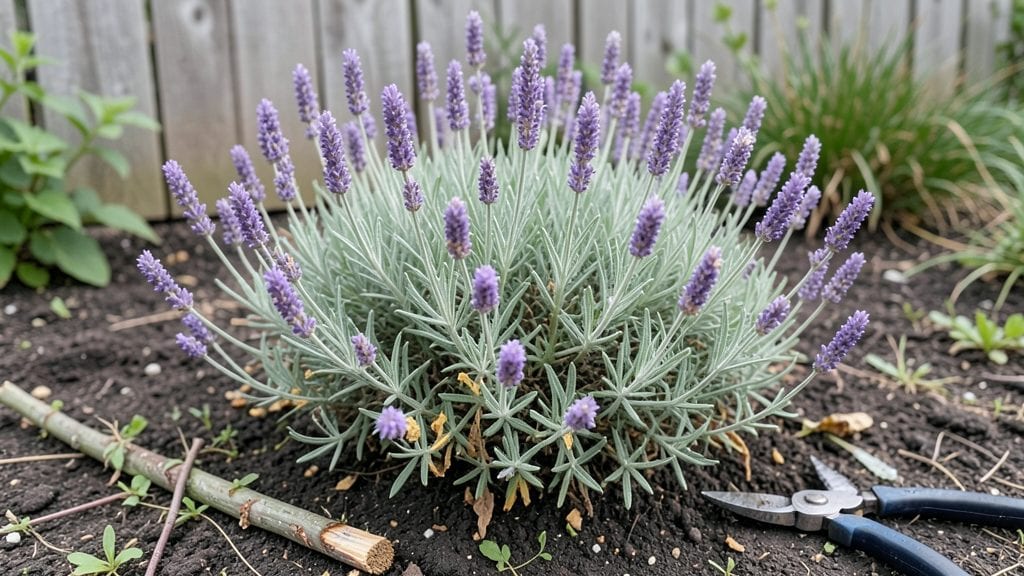
- Opt for Drought-Tolerant Plants – Select natives like lavender, Russian sage, or yarrow, which thrive with minimal irrigation.
Prevention:
- Test soil moisture monthly—adjust watering based on rainfall patterns.
- Avoid compacting soil (e.g., from foot traffic) to maintain porosity.
Problem: Shallow-rooted or weak plants fail to anchor the slope, leading to further erosion.
Solution:
- Layer Plants by Size & Root Depth –
- Top Layer: Ornamental grasses (e.g., feather reed grass) for windbreak and visual height.
- Middle Layer: Shrubs like cotoneaster or barberry (roots spread 3–5 feet deep).
- Bottom Layer: Perennials (heuchera, ferns) or groundcovers (ajuga, ice plant) to fill gaps.
- Prioritize Native Species – They’re adapted to local climate and soil, requiring less maintenance. Examples:
- Pacific Northwest: Salal or Oregon grape
- Southeast: Switchgrass or muhly grass
- Mountain Regions: Alpine currant or creeping phlox
Prevention:
- Avoid turf grass—its shallow roots offer minimal erosion control.
- Group plants in odd numbers (3, 5, or 7) for natural, wind-resistant clusters.
Problem: Neglect leads to weed invasion, nutrient depletion, or structural failure.
Solution:
- Schedule Seasonal Checks –
- Spring: Reseed bare spots with clover or wildflowers.
- Fall: Top-dress with compost and mulch to replenish nutrients.
- Prune Strategically – Trim overgrown plants to prevent shading that smothers groundcovers. Use sharp shears to avoid tearing foliage.
- Monitor for Pests/Disease – Hillside plants are vulnerable to slugs (use diatomaceous earth) or fungal issues (improve airflow with spacing).
Prevention:
- Install drip irrigation on a timer to avoid overwatering.
- Rotate plants every 3–5 years to prevent soil depletion (swap out spent perennials for fresh ones).
Need fast solutions?
Try these: - Erosion Control Blankets – Temporary, biodegradable mats seeded with grass or clover (ideal for steep slopes). - Rock Armor – Place large stones (boulders or riprap) at the base of terraces to dissipate water energy. - Hydroseeding – Spray a mix of seed, mulch, and fertilizer for instant green coverage (best for large areas).
Remember: A well-designed hillside garden isn’t just about aesthetics—it’s about balance. Combine structural elements (terraces, plants) with smart maintenance, and your slope will become a resilient, year-round showstopper. 🌄🌟
Frequently asked questions
What are the best plants for stabilizing a steep hillside?
Deep-rooted native plants like ceanothus or manzanita anchor soil beautifully while thriving with minimal care. For ground cover, try creeping thyme or ice plant—their dense mats prevent erosion while adding texture. Always choose species adapted to your local climate for best results.
How do I create terraces without breaking the bank?
Start with simple stone or log retaining walls (salvaged materials work great) to create flat planting levels. Use biodegradable erosion-control fabric between layers to reduce soil loss while plants establish. For gentle slopes, even wood-chip pathways can act as natural terraces over time.
Can I plant flowers on a hillside without them washing away?
Combine perennials with deep roots (like lavender or Russian sage) with mulch layers to protect soil. Group plants in clusters of 3-5 for wind resistance, and use gravel or wood-chip paths to guide water away from vulnerable areas.
What’s the fastest way to stop erosion on a bare hillside?
For immediate results, use erosion-control blankets (biodegradable mats seeded with grass) or hydroseeding (a seed-mulch slurry sprayed on slopes). These methods provide instant coverage while native plants establish. Follow up with deep-rooted ground covers within the first year.
How do I keep animals from digging up my hillside plants?
Install wire mesh (buried 12 inches deep) or use root barriers to deter burrowing animals. For surface pests, try diatomaceous earth around plants. Planting in odd-numbered clusters (3, 5, or 7) also makes it harder for critters to target individual plants.