
Trees
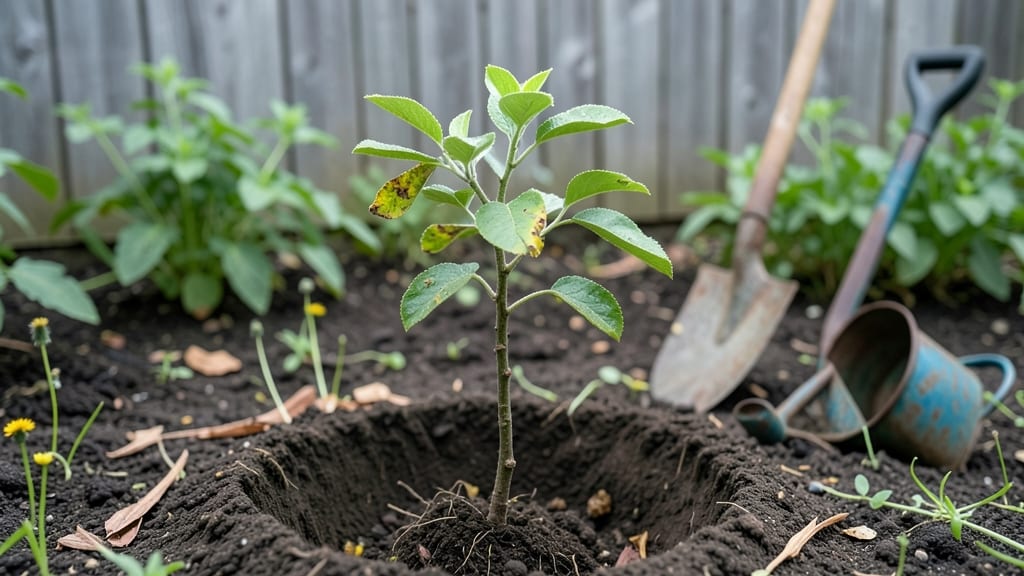
People planting trees pictures capture the energy of collective reforestation projects where communities unite to replant native species, improve soil health, and create green spaces. These images often feature volunteers using tools like shovels and mulch while showcasing the joy of environmental stewardship across diverse landscapes.
Community tree planting events are more than just photos—they're powerful visual stories of ecological recovery. 🌱 From urban parks to deforested areas, these images document how groups transform barren land into thriving ecosystems through careful sapling selection and protective measures.
The best shots often highlight the human element, like families working together or organizations leading educational workshops alongside the planting.
What makes these pictures compelling is their ability to show both the immediate impact (like newly planted saplings) and the long-term vision (mature forests years later). Many photographers focus on capturing the diversity of participants—children, elders, and wildlife all playing roles in the restoration process.
The lighting and composition choices can turn a simple planting event into a symbol of hope for climate action.
💡 In This Article
- How Community Tree Planting Enhances Ecosystems
- Best Practices for Capturing Tree Planting Moments
How community tree planting enhances ecosystems
When communities plant trees together, they're not just adding greenery—they're actively restoring ecosystems through measurable ecological benefits.
A single mature tree can absorb up to 48 pounds of carbon dioxide annually, while a large-scale planting project with 1,000 trees translates to removing 48 tons of CO₂ from the atmosphere each year.
This carbon sequestration helps combat climate change by locking away greenhouse gases that would otherwise contribute to global warming.
The roots of newly planted trees work like natural anchors, preventing soil erosion by 60-70% in degraded areas. In urban settings, trees with extensive root systems like oak or maple can stabilize up to 20 tons of soil per acre during heavy rains.
The canopy they create also reduces surface runoff, allowing 30% more water to infiltrate the soil compared to barren land. This dual benefit—carbon capture and erosion control—makes tree planting one of the most effective low-tech climate solutions available today.
Biodiversity restoration is another critical benefit, as native tree species provide habitat for 30-50% more wildlife than non-native alternatives. For example, planting acorns-producing oak trees supports 500+ insect species, which in turn feed birds and mammals.
Urban projects often focus on pollinator-friendly trees like serviceberry or dogwood, whose flowers attract bees and butterflies. The cumulative effect of these plantings creates what ecologists call "ecological corridors"—connected habitats that allow species to migrate and thrive in changing climates.
In cities, tree planting directly combats the "urban heat island" effect, where pavement and buildings absorb and radiate heat. A single tree can cool the air by 4-8°F in its immediate vicinity, while a well-planned urban forest can reduce city temperatures by up to 10°F during heatwaves.
This cooling effect isn't just about comfort—it reduces energy demand for air conditioning by 20-30%, lowering greenhouse gas emissions from power plants. The shade provided also preserves moisture in the soil, supporting other plants and reducing the need for irrigation.
Long-term sustainability depends on selecting the right species for each environment. Native trees like red maple or eastern white pine require 30-50% less water than non-native varieties and are 90% more likely to survive without supplemental care.
Community projects often use mycorrhizal fungi—beneficial soil organisms—to help young roots establish connections with existing fungi networks, boosting survival rates by up to 75%. These fungi act like nature's internet, allowing trees to share nutrients and communicate threats, creating resilient forests that can withstand pests and droughts.
What makes these ecological benefits so powerful is their compounding effect over time. A sapling planted today may take 10-20 years to reach maturity, but its cumulative impact over a century includes thousands of tons of carbon stored, hundreds of species supported, and decades of temperature regulation.
The key is persistence—community planting efforts that continue year after year build what scientists call "ecological memory," ensuring that each generation contributes to a legacy of restored landscapes.