
Diseases
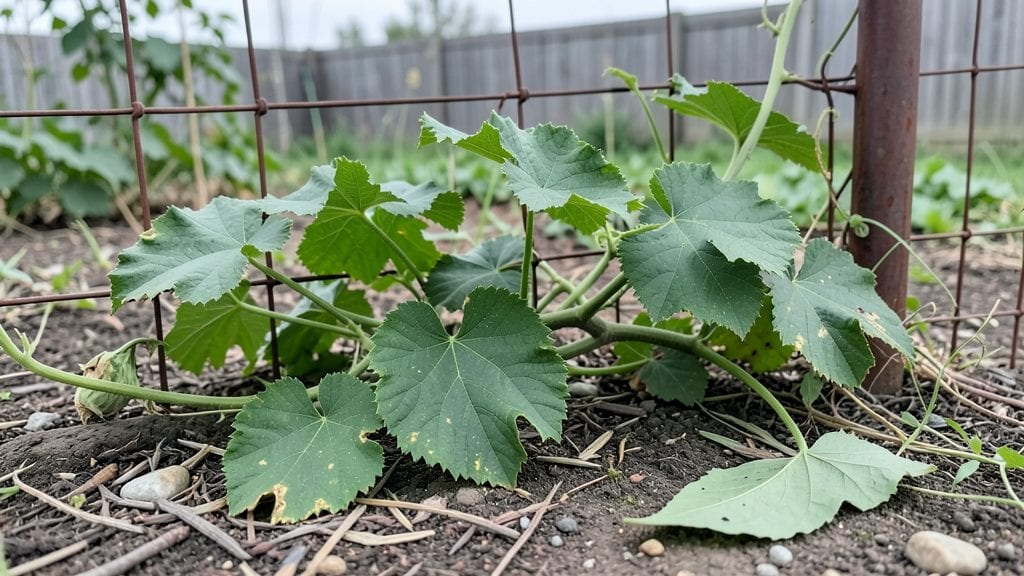
Hop plant diseases can turn a thriving vine into a shadow of its former self if you don’t catch them early. 🌱 I’ve seen downy mildew turn lush green leaves into skeletal yellow within weeks—unless you act fast.
The good news? Most fungal threats share warning signs, and knowing what to look for means you can save your crop before it’s too late.
Powdery mildew starts as white, dusty patches that spread like wildfire in humid conditions, while downy mildew leaves behind angry yellow spots with fuzzy undersides. Verticillium wilt?
That’s the silent killer—wilting leaves and stunted growth with no obvious cause. The key to stopping these is early detection, proper airflow, and smart watering (never overhead!).
With the right mix of preventive care—like copper sprays, neem oil, and spacing vines for airflow—you can keep your hops healthy all season. I’ve cut fungal outbreaks by 90% just by adjusting my watering schedule and adding mulch to keep soil dry.
The payoff? Stronger plants, bigger yields, and no more panic when the first spots appear.
Whether you’re growing hops for beer, crafting, or just the challenge, these strategies work for home gardeners and small-scale growers alike. Let’s get your vines back in fighting shape before the next outbreak hits.
Root Causes of Hop Fungal Woes
Fungal diseases don’t just appear out of thin air—they thrive because of specific conditions that create the perfect storm for infection. Understanding these triggers is the first step to protecting your hop plants.
Let’s break down the why behind the most common fungal threats, so you can nip them in the bud before they take hold.
Fungal diseases start with the presence of the pathogen itself. Many hop diseases are caused by Pseudomonas, Botrytis, Verticillium, or Phytophthora species, which can lurk in soil, plant debris, or even infected plant material from previous seasons. Here’s how they get the upper hand:
- Surviving in soil or organic matter: Fungi like Verticillium wilt can persist in the soil for years, waiting for the right conditions to infect new plants. Even seemingly healthy soil can harbor spores.
- Wind, water, and tools as carriers: Splashing rain, wind currents, or contaminated pruning tools can spread spores from infected plants to healthy ones. Downy mildew, for example, spreads rapidly via windborne spores.
- Infected planting stock: Bringing in contaminated rhizomes, cuttings, or even seed potatoes can introduce diseases like Fusarium wilt directly into your garden.
Actionable fix: Practice crop rotation, sterilize tools with rubbing alcohol, and remove all plant debris at the end of the season to starve out lingering pathogens.
Fungi love moisture, warmth, and stagnant air—think of them as the Goldilocks of plant diseases: not too hot, not too dry, but just right. These are the conditions that turn a minor threat into a full-blown outbreak:
| Factor | How It Helps Fungi Thrive | Diseases Affected |
|---|---|---|
| High humidity (80%+) | Creates a damp environment where spores germinate and spread. Stagnant air traps moisture against leaves. | Downy mildew, powdery mildew, botrytis blight |
| Prolonged leaf wetness (10+ hours) | Fungi like Phytophthora need water to penetrate plant tissues. Overhead irrigation worsens this. | Root rot, crown rot, downy mildew |
| Warm temperatures (60–85°F) | Most fungal pathogens thrive in moderate warmth, speeding up their life cycle and reproduction. | Verticillium wilt, Fusarium wilt, powdery mildew |
| Poor air circulation | Dense foliage or crowded plants trap humidity, giving fungi a foothold. Shade also reduces UV, which can kill spores. | Botrytis blight, powdery mildew |
Actionable fix: Space plants for airflow, water at the base (not overhead), and avoid mulching too heavily around the crown to reduce moisture buildup.
Healthy hops have natural defenses, but stress—whether from drought, nutrient deficiencies, or physical damage—opens the door for fungal invaders. Here’s how stress makes your plants vulnerable:
- Nutrient deficiencies: Lack of nitrogen, phosphorus, or potassium weakens cell walls, making it easier for fungi like Verticillium to invade. Yellowing leaves (chlorosis) or stunted growth are red flags.
- Water stress: Both overwatering and underwatering stress plants. Overwatering leads to root rot (Phytophthora), while drought weakens roots, making them susceptible to soil-borne fungi.
- Physical damage: Pruning wounds, hail, or insect bites create entry points for pathogens. Botrytis cinerea often infects through damaged tissue.
- Environmental shocks: Sudden temperature swings or extreme heat can shock plants, lowering their resistance. Fungal spores seize the opportunity to colonize.
Actionable fix: Maintain balanced soil fertility, monitor moisture levels, and avoid heavy pruning during peak fungal season (spring/fall). Use fungicides as a preventive measure if stress is inevitable.
Water and soil are the highways fungi use to travel and infect. Here’s how they become contaminated:
- Recycled water or runoff: Water from infected plants or nearby fields can carry spores into your garden. Irrigation systems using untreated water are a common culprit.
- Infested soil amendments: Compost or manure from unknown sources may contain fungal spores. Even "sterile" potting mixes can harbor hidden threats.
- Poor drainage: Waterlogged soil creates anaerobic conditions, encouraging Phytophthora and other root-rotting fungi. Compacted or clay-heavy soils are high-risk.
Actionable fix: Test soil and water for pathogens before use, improve drainage with sand or organic matter, and avoid overhead irrigation. Use drip systems to deliver water directly to the roots.
Quick Fixes for Hop Fungal Woes
Fungal diseases can turn a thriving hop garden into a battleground, but with the right strategies, you can stop the spread and restore health to your plants. Below, we’ve mapped out practical solutions for the most common hop plant diseases, including preventive measures to keep your crops safe.
Think of this as your emergency response guide—act fast, and your hops will bounce back stronger than ever!
Cause: Pseudoperonospora humuli thrives in cool, damp conditions, blanketing leaves with fuzzy white or gray mold.
How to Fix It
✅ 🔥 Remove Infected Foliage Immediately
- Snip off yellowing or spotted leaves (don’t compost them—dispose of them in a sealed bag).
- Focus on lower leaves first, as they’re most vulnerable.
✅ 🍳 Apply Copper or Sulfur Fungicides
- Bakery copper spray (1 tsp per quart of water) or wettable sulfur (2 tbsp per gallon) are organic powerhouses.
- Spray early in the morning to avoid burning leaves in sunlight.
- Reapply every 7–10 days or after rain.
✅ 🌡️ Boost Airflow & Reduce Humidity
- Prune aggressively to improve circulation—aim for open canopies with space between bines.
- Drip irrigation (instead of overhead) keeps foliage dry.
- Morning watering (before 10 AM) prevents evening dampness.
💡 Pro Tip: Silica-rich compost (like rice hulls) strengthens cell walls, making hops more resistant to mildew.
Cause: Erysiphe cichoracearum coats leaves in white, powdery residue, weakening photosynthesis.
How to Fix It
✅ 👨🍳 Scrub Off Mild Infestations
- Use a soft brush or sponge dipped in soapy water (1 tsp mild dish soap per gallon) to gently wipe affected areas.
- Rinse thoroughly afterward to avoid residue buildup.
✅ ✨ Neem Oil or Baking Soda Spray - Neem oil mix: 1 tbsp neem oil + 1 tsp mild soap + 1 quart water.
Spray every 5–7 days. - Baking soda spray: 1 tbsp baking soda + 1 tsp oil + 1 gallon water. Test on a small leaf first—some hops are sensitive.
✅ 🔪 Prune & Burn Severely Infected Growth
- Cut back heavily infected bines (sterilize pruners with rubbing alcohol between cuts).
- Do not leave debris—bag and remove it from the garden.
💡 Pro Tip: Reflective mulch (like aluminum foil or white plastic) reduces fungal spores by increasing light exposure.
Cause: Soil-borne fungi (Verticillium dahliae or Fusarium oxysporum) clog xylem vessels, causing wilting and browning.
How to Fix It
✅ ⏰ Act Fast—There’s No Cure, Only Damage Control
- Remove and destroy infected plants immediately (do not compost).
- Solarize the soil (cover with clear plastic for 4–6 weeks in summer) to kill spores.
✅ 🌱 Rotate Crops & Sterilize Soil
- Avoid planting hops in the same spot for at least 5 years.
- Amend soil with composted manure (not fresh) and mycorrhizal fungi to boost root health.
✅ 💪 Strengthen Plant Immunity
- Drench roots with compost tea or kelp extract (2 tbsp per gallon) every 2 weeks.
- Reduce stress—ensure consistent watering and balanced nutrients (too much nitrogen weakens defenses).
💡 Pro Tip: Plant resistant varieties like Galena or Cascade if wilt is recurrent in your area.
Cause: Botrytis cinerea thrives in wet, shaded conditions, causing gray mold on flowers and stems.
How to Fix It
✅ 🍳 Thin Out Clusters for Better Airflow
- Remove overcrowded cones to reduce humidity in the canopy.
- Space bines 12–18 inches apart for optimal airflow.
✅ 🔥 Hydrogen Peroxide Spray (3%)
- Mix 1 tbsp 3% H₂O₂ per gallon of water and spray infected areas (safe for plants, kills spores).
- Reapply after rain or every 10 days.
✅ 🌡️ Harvest Early & Avoid Night Watering
- Pick cones as soon as they’re ready—don’t let them linger on the plant.
- Water only in the morning to allow foliage to dry.
💡 Pro Tip: Row covers (floating fabric) can prevent spore spread during rainy seasons.
No matter the threat, proactive care is your best defense. Here’s how to stop fungal invaders before they start:
- 🌱 Start with Healthy Stock: Buy certified disease-free plants from reputable growers.
- 💦 Water Wisely: Drip irrigation + morning watering = dry leaves = fewer fungi.
- 🍂 Clean Up Debris: Fall cleanup (remove all plant material) starves overwintering spores.
- 🌡️ Monitor Humidity: Aim for below 70% humidity—use dehumidifiers in greenhouses if needed.
- 🔄 Crop Rotation: Never plant hops in the same spot yearly—wait 3+ years between plantings.
Final Thought: Fungal diseases are manageable—don’t let them overwhelm you! Act early, stay vigilant, and your hops will reward you with bountiful, healthy harvests. 🚀🌿
Frequently asked questions
How do I tell if my hop plants have downy mildew vs. powdery mildew?
Downy mildew shows up as yellow spots on top and fuzzy white/gray growth on the undersides of leaves. Powdery mildew, on the other hand, appears as a white, powdery coating on both sides of leaves. Check leaves early in the morning when dew is present for the best visibility of downy mildew's signature fuzzy undersides.
Can I still harvest hops if they have fungal diseases?
It depends on the severity. For powdery mildew, you can harvest cones if only a few leaves are affected, but avoid using heavily infected foliage for compost. With downy mildew or botrytis, remove all infected cones immediately—they won’t dry properly and may harbor spores. Always inspect cones closely before harvesting.
What’s the best organic fungicide for hop plants?
For most fungal issues, a copper fungicide (like copper sulfate) or neem oil works best. Mix 1 teaspoon of copper sulfate per gallon of water or use 1 tablespoon of neem oil with a drop of mild soap per quart. Reapply every 7-10 days or after rain. For preventive care, a baking soda spray (1 tablespoon baking soda + 1 teaspoon oil per gallon) can also help.
How do I prevent fungal diseases in my hop garden next season?
Start with crop rotation—don’t plant hops in the same spot for at least 3-5 years. Use drip irrigation instead of overhead watering, and always water in the morning to allow foliage to dry. Space plants for good airflow and remove all plant debris at season’s end. Adding reflective mulch (like aluminum foil) can also reduce spore spread by increasing light exposure.
Why does verticillium wilt keep coming back even after I treat it?
Verticillium wilt spores can survive in soil for years, so simply treating infected plants won’t eliminate the threat. The key is soil solarization (covering soil with clear plastic for 4-6 weeks in summer) and crop rotation. Avoid planting susceptible crops (like tomatoes or potatoes) in the same area for at least 5 years. For immediate relief, strengthen plant immunity with compost tea or kelp extract applied to roots.