
Diseases
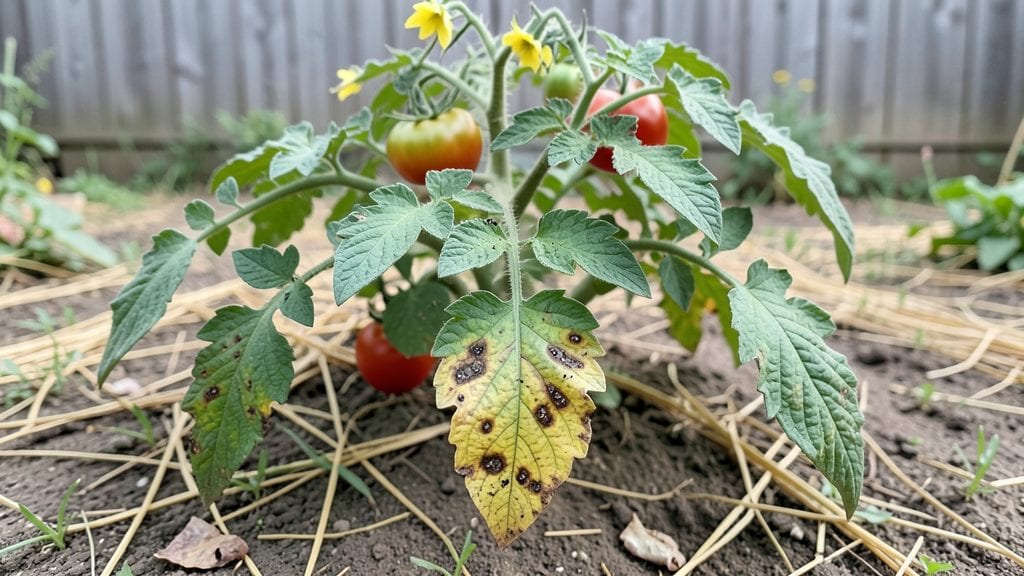
Mastering tomato plant diseases identification early is your best defense against ruining your harvest. I’ve lost entire plants to fungal spots that could’ve been stopped with the right knowledge—and I’ll show you exactly what to look for before it’s too late.
The key is catching symptoms fast: dark spots on leaves, weird discoloration on stems, or splotchy fruit that’s no longer edible. Once you recognize these red flags, you can act before the disease spreads to your entire garden.
Most tomato diseases fall into three categories: fungal (like early blight or powdery mildew), bacterial (such as bacterial spot), and environmental stress (like sun scorch). Fungal diseases thrive in warm, wet conditions, while bacterial ones spread through water splashing or contaminated tools.
The good news? Prevention is simpler than you think—proper spacing, good airflow, and a consistent watering routine (always at the base, never overhead) cut the risk dramatically. I’ve used these same tactics for years, and my plants stay healthier longer.
You’ll learn to spot the early warning signs—yellowing leaves with dark edges, white powdery patches, or water-soaked spots that turn brown—so you can act before the disease takes hold.
With the right treatment (neem oil, copper spray, or removing infected leaves), you can often save your plants and protect the rest of your harvest. The goal isn’t just to treat the problem but to stop it before it starts.
This works for home gardeners in any climate, whether you’re growing in containers, raised beds, or the ground. The methods are practical, the tools are affordable, and the results are noticeable within days. Let’s get your tomatoes back on track before another leaf turns.
Root Causes Behind Tomato Fungal Woes
Fungal diseases don’t just appear out of thin air—they thrive when specific conditions align like a perfect storm. Understanding why these pathogens attack your tomato plants is the first step to stopping them in their tracks.
Below, we break down the key triggers behind fungal outbreaks, from environmental factors to gardening habits that invite trouble.
Fungi love dampness—think of them as aquatic invaders that need water to spread their spores. When tomato plants sit in high humidity (above 75%) or excess moisture for prolonged periods, fungal spores germinate and infect leaves, stems, and fruit.
- Why it happens: - Fungal spores (like those causing early blight or late blight) need free water to move.
Even dew or overhead irrigation can create the perfect breeding ground. - Poor air circulation traps moisture near the plant, creating a greenhouse effect that fungi adore. - Overwatering or waterlogged soil weakens plant defenses, making them easier targets.
- Actionable fix: 💡 Space plants for airflow, water at the base (not leaves), and avoid late-day watering to let foliage dry overnight.
Tomatoes need breathing room—when plants are too close together, air can’t circulate, and humidity builds up. This stagnant environment is a buffet for fungi, which spread faster in still, moist air.
- Why it happens:
- Dense foliage blocks sunlight and airflow, creating shady, damp pockets where fungi like powdery mildew thrive.
- Pruning gaps or dead leaves (which harbor spores) only worsens the problem by trapping moisture.
- Actionable fix: 🌿 Prune regularly to improve airflow, stake plants for vertical growth, and thin out crowded beds.
Healthy tomato plants have natural defenses, but stress—from nutrient deficiencies, pests, or physical damage—weakens them, making them prime targets for fungal attacks.
- Why it happens:
- Nitrogen deficiency (yellowing leaves) or potassium deficiency (weak stems) reduce the plant’s ability to fight off pathogens.
- Insect damage (like from aphids or spider mites) creates entry points for fungi.
- Transplant shock or root disturbances (from over-fertilizing or rough handling) stress plants, leaving them vulnerable.
- Actionable fix: 💪 Use balanced fertilizer (10-10-10 or 5-10-10), monitor for pests, and handle plants gently during transplanting.
Some fungal diseases are seasonal, flaring up when temperatures and moisture align perfectly for their growth.
For example: - Early blight thrives in cool, wet springs (50–80°F). - Late blight (the infamous potato blight) loves warm, humid summers (60–80°F). - Powdery mildew peaks in hot, dry weather with high nighttime humidity.
- Why it happens:
- Fungi have optimal temperature ranges—some slow down in extreme heat or cold but explode when conditions are "just right."
- Sudden rain or storms can splash spores from soil onto leaves, kickstarting an outbreak.
- Actionable fix: 🌡️ Choose disease-resistant varieties for your climate, mulch to regulate soil temp, and avoid planting tomatoes in the same spot year after year (crop rotation disrupts fungal buildup).
Fungal spores hitchhike on gardening tools, infected plant debris, or even compost. If you’ve had fungal issues before, the problem might already be lurking in your soil or equipment.
- Why it happens:
- Reusing tools (pruners, stakes) without sterilizing them can spread spores from one plant to another.
- Infected plant material (like old tomato stems) left in the garden decomposes and releases spores into the soil.
- Poor composting practices (e.g., adding diseased plants to compost piles) can turn your "green gold" into a fungal breeding ground.
- Actionable fix: ✨ Sterilize tools with rubbing alcohol or bleach, remove all plant debris at season’s end, and compost only disease-free materials.
Too much nitrogen (the first number in fertilizer labels) promotes lush, weak growth—think of it like giving your tomatoes a sugar rush. While they grow fast, their cell walls weaken, making them easier for fungi to penetrate.
- Why it happens:
- Excess nitrogen leads to soft, tender leaves that fungi like late blight can invade with ease.
- It also delays flowering and fruiting, keeping plants in a vulnerable "growth spurt" phase longer.
- Actionable fix: 📊 Use a balanced fertilizer (like 10-10-10) and side-dress with potassium-rich amendments (wood ash, banana peels) to strengthen plant defenses.
Planting tomatoes (or nightshades like peppers and eggplants) in the same spot year after year allows fungal pathogens to build up in the soil, creating a permanent reservoir of infection.
- Why it happens:
- Fungi like verticillium wilt and fusarium wilt survive in soil for years, waiting to infect the next tomato crop.
- Without rotation, the soil becomes a fungal hotspot.
- Actionable fix: 🔄 Rotate crops annually—avoid planting tomatoes in the same bed for at least 3 years. Interplant with non-host crops (like beans or brassicas) to break the cycle.
How to Fix Tomato Plant Diseases
Now that you’ve identified the culprit behind your tomato plant’s woes, it’s time to take action! Early intervention is key to saving your harvest. Below, we’ve mapped out practical, step-by-step solutions for each common disease, along with prevention tips to keep future crops healthy.
Think of this as your disease-fighting toolkit—ready to deploy at the first sign of trouble.
Cause: Alternaria solani fungus thrives in warm, humid conditions and attacks older leaves first. Fix It Fast:
- 🔥 Remove Infected Leaves
- Snip off yellow or brown spots with clean pruners (don’t compost them—toss in the trash).
- Focus on lower leaves, where spores spread easiest.
- 🍳 Copper Fungicide Spray
- Use a baking soda spray (1 tsp baking soda + 1 quart water + a drop of dish soap) or a store-bought copper fungicide (like Bonide Copper Fungicide).
- Spray under leaves and stems—fungus hides there! Reapply every 7–10 days or after rain.
- 🌡️ Improve Airflow
- Space plants 18–24 inches apart and prune suckers to reduce humidity trapped in foliage.
- 💡 Pro Tip: Mulch with straw (not wet hay) to keep soil dry—fungus loves damp leaves!
- ⏰ Rotate Crops
- Never plant tomatoes (or potatoes/peppers) in the same spot next year. Wait 3 years before replanting.
Cause: Phytophthora infestans—this aggressive fungus can destroy plants in days. It’s the same pathogen that caused the Irish Potato Famine! Fix It Fast:
- 🚨 Immediate Removal
- Burn or trash infected plants (do not compost). This disease spreads via spores in the air and water.
- 👨🍳 Chemical Defense (If Severe)
- Use a fungicide with chlorothalonil (like Daconil) or oxychloride copper—spray every 5–7 days until no new spots appear.
- 💡 Pro Tip: For organic growers, neem oil + potassium bicarbonate spray (1 tbsp baking soda + 1 quart water + 1 tsp neem oil) can help if caught early.
- 🌧️ Water Wisely
- Water in the morning (not at night) to let foliage dry quickly. Avoid overhead watering—use drip irrigation instead.
- 🔄 Crop Rotation + Solarization
- Rotate with non-solanaceous crops (like beans or lettuce). For next season, solarize soil (cover with clear plastic for 4–6 weeks in summer) to kill fungus.
Cause: Septoria lycopersici fungus loves wet leaves and spreads via wind/rain. Fix It Fast:
- 🔪 Prune Aggressively
- Remove all spotted leaves and dispose of them. Focus on upper leaves first to protect fruit.
- 🍳 Homemade Fungicide Mix
- Option 1: 1% hydrogen peroxide spray (1 part 3% H₂O₂ + 9 parts water). Spray every 10 days.
- Option 2: Milk spray (1 part milk + 9 parts water)—yes, it works! Reapply weekly.
- 🌡️ Space Plants & Sanitize Tools
- Thin plants to 24 inches apart for better airflow. Disinfect pruners with rubbing alcohol between cuts.
- 🎯 Prevent Future Outbreaks
- Plant disease-resistant varieties like ‘Defiant PhR’ or ‘Mountain Merit.’ Avoid overhead watering—use soaker hoses.
Cause: Oidium fungus creates that telltale white, powdery coating—especially in shady or crowded gardens. Fix It Fast:
- 🧼 Soap & Water Blast
- Neem oil soap spray (2 tsp neem oil + 1 tsp mild soap + 1 quart water) or baking soda spray (1 tsp baking soda + 1 quart water + a drop of soap). Spray both sides of leaves every 5–7 days.
- 🌿 Companion Planting
- Interplant with marigolds, garlic, or basil—they repel mildew spores.
- 🌞 Boost Sunlight
- Thin plants or move them to a sunnier spot (mildew loves shade). Use reflective mulch (like aluminum foil) to bounce light onto lower leaves.
- ✨ Long-Term Fixes
- Prune for airflow—remove crowded branches. Collect and destroy fallen leaves (they harbor spores).
Cause: Soil-borne fungi (Verticillium dahliae or Fusarium oxysporum) clog plant vessels, causing yellowing and wilting—often fatal. Fix It Fast:
- 🚨 No Cure, But Slow It Down
- Remove infected plants immediately (burn or bag them). These fungi survive in soil for years.
- 🌱 Resistant Varieties Only
- Switch to wilt-resistant tomatoes like ‘Defiant,’ ‘Mountain Spring,’ or ‘Tycoon.’ Avoid heirlooms—they’re often susceptible.
- 🔄 Soil Sterilization
- Solarize soil (cover with plastic for 6 weeks in summer) or plant a cover crop (like mustard) to starve the fungus.
- 💡 Prevention for Next Year
- Rotate crops for 3–4 years before replanting tomatoes.
- Test soil for fungus before planting—some nurseries offer diagnostic kits.
- 💡 Start with Healthy Seedlings: Buy from reputable nurseries or grow from disease-free seeds.
- 🌡️ Monitor Weather: Fungus loves 70–80°F temps + high humidity—watch forecasts and act fast.
- 🧼 Clean Your Garden: Sanitize tools, remove plant debris, and disinfect containers between uses.
- 🍅 Harvest Early: Pick tomatoes before they ripen if disease is spreading, then ripen indoors.
Remember: The best defense is a vigilant offense. Check your plants weekly, especially after rain, and act at the first sign of trouble. With these fixes, you’ll be back to plump, juicy tomatoes in no time! 🍅🔥
Frequently asked questions about tomato plant diseases
How do I tell the difference between early blight and late blight on tomato leaves?
Early blight shows as concentric brown rings on older leaves, starting at the edges. Late blight creates irregular, greasy-looking spots that spread rapidly—often with a white, fuzzy mold on undersides. Early blight is slower; late blight is aggressive and can destroy plants in days. Check stems too: late blight causes dark, sunken lesions.
Can I still eat tomatoes with fungal spots, or should I toss them?
Small, surface spots from early blight or septoria leaf spot are usually safe to eat after washing—just cut away the affected areas. However, late blight or powdery mildew can make fruit taste bitter or mushy. When in doubt, compost diseased fruit (don’t add to compost piles if heavily infected). For severe cases, harvest green tomatoes and ripen indoors.
Why does my tomato plant have yellow leaves but no spots? Could it still be a disease?
Yellow leaves without spots might signal nutrient deficiencies (like nitrogen or magnesium) or soil-borne wilts (verticillium/fusarium). Check stems for discoloration—wilts cause yellowing between veins and wilting. If no wilting, test soil pH or fertilize. Fungal diseases like early blight often start with yellowing before spots appear, so inspect carefully.
How often should I spray fungicides to prevent diseases?
For prevention, spray every 7–10 days during humid weather or after rain. Use copper fungicide or neem oil as a proactive measure. If you’ve had past issues, start spraying at planting and continue until harvest. Rotate treatments to avoid resistance—never spray when rain is forecasted. Early intervention is key!
Can I save a tomato plant with bacterial spot?
Bacterial spot (Xanthomonas perforans) is tricky—once infected, plants rarely recover. Remove all infected leaves and destroy them (don’t compost). Use copper-based sprays to slow spread, but focus on prevention next season: sterilize tools, avoid overhead watering, and choose resistant varieties like ‘Celebrity’ or ‘Mountain Merit.’ Crop rotation is critical!