
Planting
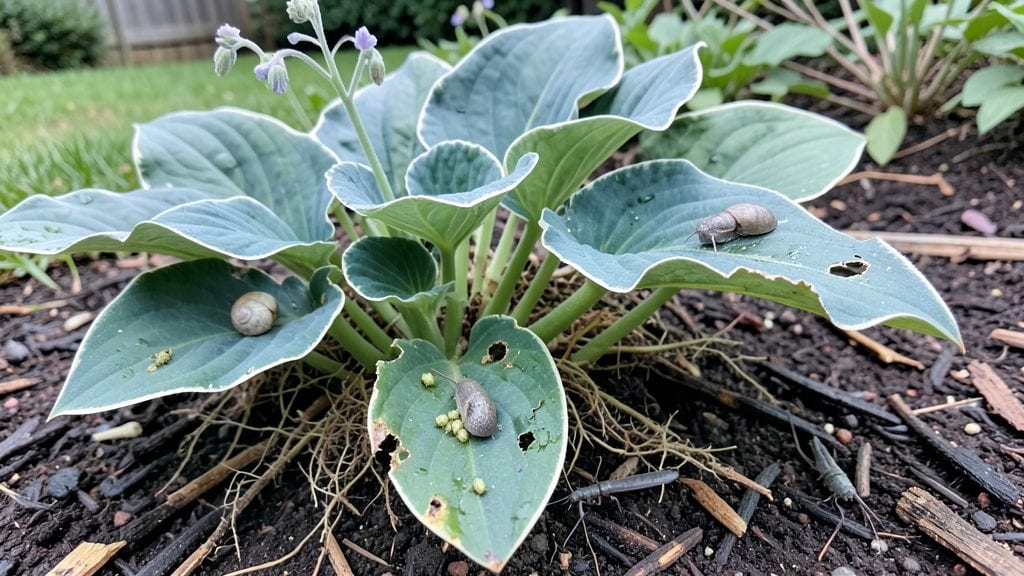
The plant hosta pests—slugs, aphids, and fungal invaders—can turn your velvety green hostas into a chewed-up mess in no time. 🌿 I’ve watched my prized hostas go from lush to skeletonized in a single night—until I learned these telltale signs of trouble. signs and quick fixes that actually work.
The key is catching problems early, before they spread.
Slugs leave shiny trails and ragged holes, while aphids cluster on undersides of leaves like tiny green blobs. Fungal spots start as yellow speckles that grow into brown, mushy patches.
The good news? Most issues respond to simple, organic fixes like diatomaceous earth, neem oil, or copper barriers—no harsh chemicals needed.
With the right prevention, your hostas can stay thriving all season. I’ll show you how to inspect plants weekly, set up physical barriers, and use homemade sprays that keep pests at bay without harming your garden’s ecosystem. Your hostas will thank you with bigger, healthier leaves.
This works for container hostas, garden beds, or even those tricky shady spots where pests love to hide. Let’s get your hostas back to their best in no time—without losing a single leaf to critters or disease.
Root Causes of Hosta Attacks
Hostas are prized for their lush foliage and adaptability, but their popularity makes them a prime target for pests. Understanding why these issues arise is the first step to protecting your plants.
Below, we break down the key factors that turn your hostas into a pest buffet—and how to prevent them before they strike.
Hostas thrive in shade, but when they’re planted too closely together, their leaves create a cozy, humid microclimate—perfect for slugs, snails, and fungal diseases like Botrytis blight. Poor air circulation also slows drying, leaving moisture trapped on leaves where pests and pathogens love to linger.
- Why it happens: Dense foliage retains humidity, creating ideal conditions for slugs (which need moisture to survive) and fungal spores (which thrive in damp environments).
- Science backup: Studies show that Arion lusitanicus (a common slug species) moves toward areas with high moisture levels—overcrowded hostas are like a neon sign for them.
- Actionable fix:
- Space hostas 18–24 inches apart to improve airflow.
- Mulch with gravel or pine straw (not organic mulch) to reduce humidity at soil level.
- Prune inner leaves to let sunlight and air reach the center.
Hostas with nitrogen-heavy or phosphorus-deficient soil are like walking snack bars for pests. Too much nitrogen produces soft, tender leaves that caterpillars and slugs devour, while phosphorus shortages stress plants, making them more susceptible to fungal infections like powdery mildew.
| Nutrient Issue | Pest/Fungal Risk | How to Fix |
|---|---|---|
| Excess nitrogen (e.g., over-fertilizing with blood meal) | Leaf-eating pests (cutworms, slugs, Japanese beetles) | Switch to a balanced 10-10-10 fertilizer or compost tea. |
| Low phosphorus (yellow/purple leaves) | Fungal diseases (e.g., Alternaria leaf spot) | Apply bone meal or rock phosphate in early spring. |
| Magnesium deficiency (yellow veins) | Weaker cell walls = easier entry for pests/diseases | Use Epsom salt (1 tbsp/gal water) as a foliar spray. |
Pro tip: 🌡️ Test your soil every 2–3 years to avoid guesswork. Many pests target hostas because they’re already stressed—fix the soil first!
Hostas are notoriously slug- and snail-magnets after rain because these pests rely on high humidity to stay hydrated. Additionally, cool, wet springs (like those in the Pacific Northwest or Midwest) delay fungal decay, allowing Rhizoctonia (a soil-borne fungus) to fester and attack hosta roots.
- Why it happens:
- Slugs/snails: Their mucus layers dry out in low humidity—rainy weather keeps them active.
- Fungal spores: Rhizoctonia thrives in 50–86°F soil temps with moisture; spring showers create the perfect storm.
- Actionable fixes:
- After rain, handpick slugs at dusk (they’re most active then).
- Use copper barriers around pots to deter slugs (they hate the metal’s electric charge).
- Improve drainage with sand or perlite to reduce fungal soil conditions.
Fun fact: 🐌 Slugs can detect carbon dioxide from hosta leaves—planting garlic or chives nearby masks the scent and confuses them!
Dead leaves, fallen petals, and old mulch aren’t just unsightly—they’re pest and disease incubators. Slugs hide in decaying organic matter, while fungal spores hibernate in leaf litter, ready to pounce when conditions are right. Even insect eggs (like those from cutworms) overwinter in garden debris.
- Why it happens:
- Slugs/snails: They eat decomposing plant material and use it as shelter.
- Fungi: Spores survive years in dry leaf litter, waiting for moisture to activate.
- Insects: Eggs laid in fall hatch in spring if debris isn’t removed.
- Actionable fixes:
- Clear fallen leaves and mulch from hosta beds in late fall.
- Use black plastic mulch in winter to smother overwintering pests.
- Compost only disease-free debris—never compost hosta leaves with Rhizoctonia signs.
Pro tip: ✨ Diatomaceous earth (DE) is a natural slug deterrent—sprinkle it around hosta bases in a 1-inch ring after rain. It’s harmless to plants but deadly to slugs!
Quick fixes for hosta plant problems
When pests or diseases strike your hosta plants, acting fast is key to saving their lush foliage. Below are practical, step-by-step solutions tailored to common issues—from chewing critters to fungal foes—plus prevention tips to keep your hostas thriving long-term.
🔥 Remove the Invaders Manually
How to do it:
- Handpick slugs/snails at night (they’re most active then) and drop them in soapy water. 🌙
- Shake caterpillars off leaves into a bucket of soapy water or release them far from your garden.
- Check undersides of leaves—this is where pests hide!
Prevention:
- Copper barriers (1-inch strips around plant beds) create a mild electric shock that deters slugs.
- Diatomaceous earth (food-grade) sprinkled lightly around plants acts like tiny glass shards to slugs and snails. Reapply after rain. ⚡
🍳 Organic Sprays for Immediate Relief How to do it:
- Beer trap: Fill a shallow dish with beer and bury it near hostas. Slugs/snails crawl in and drown. 🍺
- Neem oil spray: Mix 1 tbsp neem oil + 1 tsp mild soap in 1 quart of water.
Spray leaves (especially undersides) every 5–7 days. This disrupts pests’ life cycles without harming plants. - Bacillus thuringiensis (Bt): A bacteria-based spray for caterpillars. Safe for humans and pets but deadly to chewing insects. 🐛➡️💀
Prevention:
- Plant marigolds or garlic nearby—their strong scents repel pests naturally.
- Water in the morning (not evening) to reduce slug/snail activity when they’re out.
👨🍳 Prune and Clean Infected Areas
How to do it:
- Snip off infected leaves with clean pruners, then dispose of them in the trash (not compost). 🗑️
- Space plants properly (12–18 inches apart) to improve airflow and reduce humidity.
- Water at the base (not overhead) to keep leaves dry.
Prevention:
- Avoid overhead irrigation—use drip systems or soaker hoses.
- Remove fallen leaves from the soil surface to prevent fungal spores from spreading.
🌡️ Fungicide Treatments (When Needed)
How to do it: - Baking soda spray: Mix 1 tbsp baking soda + 1 tsp soap + 1 quart of water.
Spray on leaves weekly. 🧂 - Copper fungicide: Follow label instructions for application (great for leaf spot). - Sulfur-based sprays: Effective for powdery mildew but use in early morning/evening to avoid burning leaves.
Prevention:
- Choose resistant varieties like ‘Halcyon’ or ‘Francee’—they’re less prone to fungal diseases.
- Mulch with pine needles or gravel to keep soil dry and deter fungal growth.
How to do it:
- Fertilize with compost or balanced fertilizer (10-10-10) in early spring to boost plant health. 🌱
- Mulch with 2–3 inches of organic matter (like shredded leaves) to retain moisture and suppress weeds.
- Rotate plants every few years to prevent soil-borne diseases from building up.
Pro Tip: 💡 Healthy hostas are pest-resistant hostas! Focus on proper sunlight (partial shade), well-draining soil, and regular care to minimize problems before they start.
Remember: Consistency is key! Check your hostas weekly for early signs of trouble, and act fast to nip issues in the bud. 🌿✨
Frequently asked questions
What are the most common pests that attack hosta plants?
Slugs and snails are the top culprits, leaving shiny trails and ragged holes in leaves. Aphids cluster on undersides, while Japanese beetles chew irregular patterns. Fungal diseases like powdery mildew and leaf spot also target stressed hostas, showing as yellow/brown spots or white powder.
How do I tell if my hosta has a pest problem or just needs more sunlight?
Pests leave physical damage: chewed edges, slime trails, or holes. Sunlight issues show as uniform yellowing (especially on older leaves) or slow growth. Check soil moisture too—overwatering can mimic pest damage. A quick inspection of leaf undersides reveals hidden aphids or mites.
Can I use coffee grounds to deter slugs from my hostas?
Yes! Coffee grounds create a natural barrier slugs dislike. Sprinkle a 1-inch ring around hosta bases, but avoid piling them directly against stems (they can compact soil). Reapply after rain. For extra protection, mix with diatomaceous earth for a double deterrent.
Why do my hostas get fungal diseases even with good care?
Fungi thrive in humid, crowded conditions—even healthy hostas can succumb if airflow is poor. Overhead watering or thick mulch layers trap moisture. Test soil pH (aim for 6.0–7.5) and space plants 18–24 inches apart. Prune inner leaves to improve circulation.
Are there any hosta varieties that naturally resist pests?
‘Halcyon’ and ‘Francee’ have thick leaves that deter slugs, while ‘Blue Angel’ and ‘Guacamole’ are less appealing to Japanese beetles. For fungal resistance, try ‘Patriot’ or ‘June’. Always check variety descriptions—some are bred specifically for low-maintenance care.