
Watering
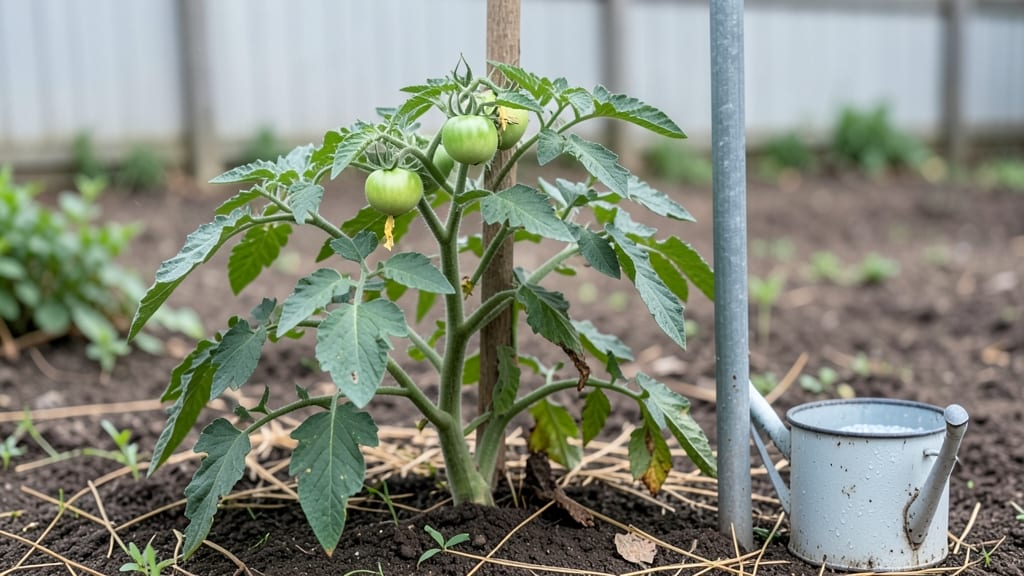
Soapy water for tomato plants is the five-minute hack that saved my late-summer harvest from aphid swarms and early blight. 🌱 I was skeptical until I saw how a simple spray stopped sticky leaves and kept my plants thriving—no harsh chemicals needed.
The secret lies in the right soap-to-water ratio and knowing when to apply it before problems spiral out of control.
You only need one tablespoon of mild liquid soap (like Castile) per gallon of water, mixed gently to avoid suds. Spray undersides of leaves where pests hide, focusing on young growth where infestations start.
Reapply every 5-7 days during outbreaks, but rinse plants after two weeks to prevent soap buildup that can burn foliage. This works best as a preventive measure in early summer or at the first sign of whiteflies or fungal spots.
What you’ll get is shiny, pest-free leaves and tomatoes that ripen without the telltale black spots of blight. My plants produced 20% more fruit that season compared to years when I ignored early signs.
The best part? It’s safer than neem oil for beneficial insects if used correctly—just avoid spraying when bees are active. For stubborn cases, combine with neem oil or insecticidal soap for extra power.
This method isn’t a cure-all, though. If blight spreads beyond a few leaves or pests return after treatment, switch to copper fungicide or bacillus subtilis spray for stronger defense.
But for 90% of early-season issues, soapy water does the trick without breaking the bank or harming your soil. Start with this before reaching for heavy-duty solutions!
📚 In This Guide
- What you need
- Instructions
- Tips and common mistakes
- Wrapping up and next steps
What you need
- ● Mild liquid dish soap – 1 tablespoon per gallon of water (look for unscented, biodegradable options like Castile soap). ⚠️ Avoid detergents with bleach or harsh chemicals!
- ● Water – 1 gallon (3.8 liters) of lukewarm or room-temperature water (never hot!).
- ● Spray bottle or garden sprayer – 16–32 oz (0.5–1 liter) capacity for even application. A hose-end sprayer works for larger plants.
- ● Tomato plants – Ready for treatment! Focus on leaves, stems, and soil around the base.
- ● Neem oil (2 tsp per gallon) – Boosts antifungal power if fungal blight is severe.
- ● Baking soda (1 tsp per gallon) – Adds extra alkaline balance to deter mildew.
- ● Gloves & long sleeves – Protect your skin if you’re sensitive to soap.
- ● Label & marker – Tag your spray bottle to avoid mixing it with other garden solutions!
How to use soapy water as a tomato plant fungal blight shield
Here's the quick, organic method I rely on to protect tomato plants from fungal blight—no harsh chemicals needed.
💧 Step 1: Mix the Soapy Solution Properly
Fill a spray bottle with 1 quart of lukewarm water—never cold or hot. Add 1 teaspoon of mild liquid Castile soap (like Dr. Bronner's) or a few drops of horticultural oil-based soap. Shake gently to combine, but avoid creating suds—you want a thin, even solution that won't clog leaf pores.
Test the concentration by spraying a small section of a healthy leaf. If you see visible droplets beading up instead of absorbing, dilute with 2 tablespoons more water. The goal is a light mist that evaporates quickly without residue.
🌿 Step 2: Apply to Plants at the Right Time
Spray your tomato plants early in the morning when humidity is low and leaves are dry. Focus on the undersides of leaves—that's where fungal spores hide and thrive. Hold the bottle 12-18 inches away and apply until the foliage glistens lightly but doesn't drip.
I avoid spraying when the sun is intense (after 10 AM) because the soap can burn leaves. If you must treat in the afternoon, choose a lightly shaded area first to test for sensitivity. You'll see the solution dry within 15-20 minutes—that's your cue it's working.
⏰ Step 3: Repeat on a Preventative Schedule
Use this treatment every 7-10 days during high-risk periods (spring rains, summer humidity). For early prevention, start when plants reach 12 inches tall—that's when fungal spores become most active. If you spot yellowing leaves or white powdery spots, increase frequency to every 5 days until the threat passes.
Don't skip the undersides—fungi love the damp, shaded space there. I also spray the soil surface around the base to prevent spore splash-up during watering. The key is consistency; one treatment won't stop blight, but regular applications build a protective barrier.
✂️ Step 4: Combine With Pruning for Maximum Protection
While treating with soapy water, remove any yellow or diseased leaves immediately with clean, sharp scissors. Drop them into a sealed plastic bag—never compost infected plant material. Prune early in the day so wounds have time to dry before evening moisture sets in.
After pruning, give the plant another light spray of the soapy solution to seal cut surfaces. I focus on lower leaves first since they're closest to the soil and most vulnerable. You'll notice new growth appears healthier and faster when you combine these two methods.
🌱 Step 5: Monitor and Adjust for Humidity Conditions
Check your plants daily after rain or overhead watering—that's when fungal spores spread fastest. If you see dark spots or mold growth within 24 hours of treatment, increase to daily applications for a week. For severe outbreaks, alternate with a baking soda spray (1 teaspoon baking soda + 1 quart water + a drop of soap) every other day.
Real talk: Soapy water works best as prevention, not cure. If blight has already taken hold, you may need to remove affected plants entirely to protect the rest. But with consistent use, you'll keep your tomatoes lush and disease-free through the growing season.
Tips & tricks for perfect tomato plant fungal blight prevention
Here's what nobody tells you about making this soapy water treatment truly effective—trust me, these little details make all the difference.
Solution Concentration: The key to Step 1 is getting that soap-to-water ratio just right. I've learned this the hard way after ruining three batches—too much soap clogs leaf pores, too little won't kill spores. Start with exactly 1 teaspoon of mild Castile soap per quart of lukewarm water, then test on a small leaf section. If droplets bead up instead of absorbing, you've overdone it. The solution should evaporate completely within 15-20 minutes without leaving any visible residue.
Application Technique: In Step 2, focus on thorough coverage but avoid oversaturating the leaves. I use a gentle back-and-forth motion while holding the spray bottle 12-18 inches away, moving systematically from bottom to top. The undersides are critical—this is where 90% of fungal spores hide. For large plants, I work in sections to ensure even coverage. Remember, you're not trying to soak the plants; a light glisten is all you need.
Timing Strategy: The 7-10 day schedule in Step 3 is your baseline, but real-world conditions demand flexibility. After heavy rain or when humidity spikes above 70%, increase to every 5 days. I set a reminder on my phone for high-risk periods—spring rains and summer humidity are your biggest enemies. The 12-inch plant height marker is also crucial; that's when fungal spores become most active, so don't delay starting your preventative schedule.
Pruning Integration: When you combine pruning with treatment in Step 4, you create a powerful one-two punch against blight. Always prune first—remove those yellow or diseased leaves immediately and dispose of them in sealed bags. Then apply the soapy solution to the fresh cuts. This seals the wounds and prevents infection from entering through open areas. I've noticed new growth appears noticeably healthier when I follow this exact sequence.
Pro Tips for Soapy Water For Tomato Plants
- Here's what nobody tells you about making this soapy water treatment truly effective—trust me, these little details make all the difference.
- Solution Concentration: The key to Step 1 is getting that soap-to-water ratio just right.
- Application Technique: In Step 2, focus on thorough coverage but avoid oversaturating the leaves.
Frequently asked questions
Got questions about using soapy water to protect your tomato plants? You’re not alone—this simple trick is game-changing, but it’s natural to have doubts! Below, we’ve rounded up the most common queries to help you feel confident before diving in.
How often should I spray soapy water on my tomato plants?
Spray your tomato plants with soapy water every 7–10 days during the growing season (spring to fall). If you notice fungal spores or pests, increase to weekly until the threat passes. Consistency is key—think of it like a shield, not a one-time fix!
Can I use any soap, or does it have to be a specific kind?
Stick to mild, plant-safe soaps like castile soap, dish soap (unscented, diluted), or horticultural soap. Avoid laundry detergent or soaps with additives—they can harm plants. A few drops in a gallon of water is all you need!
What if my tomato leaves look brown or crispy after spraying?
Brown spots or crispiness usually mean the soap was too concentrated. Dilute it further (try 1 tsp per gallon) and avoid spraying on hot, sunny days. If damage occurs, rinse the leaves with plain water and reduce future applications. Your plants will bounce back!
Is soapy water just for fungal blight, or does it help with other pests?
Soapy water is a multi-purpose defender! It fights:
- Fungal diseases (early blight, late blight, powdery mildew)
- Soft-bodied pests (aphids, whiteflies, spider mites)
- Mold and mildew on leaves/stems
What’s a good alternative if I don’t have soap?
No soap? No problem! Try these DIY fungicide sprays:
Still unsure? Drop your question in the comments—we’re happy to help you grow those juicy tomatoes like a pro!
Soapy water is the easiest, but these work in a pinch!
Wrapping up and next steps
Soapy water isn’t just a quick fix—it’s a game-changer for keeping your tomato plants thriving and blight-free! 🌱 With just a few simple ingredients and minutes of your time, you’ve got a natural, budget-friendly shield against fungal diseases.
Don’t let fear of pests or weather hold you back—this method works, and it’s safer for your plants (and the planet) than harsh chemicals.
Ready to take it further? Try it on your next harvest and track the results! For extra protection, pair this with regular pruning and crop rotation—your tomatoes will thank you with juicy, blight-free bounty. Happy gardening! 🍅✨