
Planting
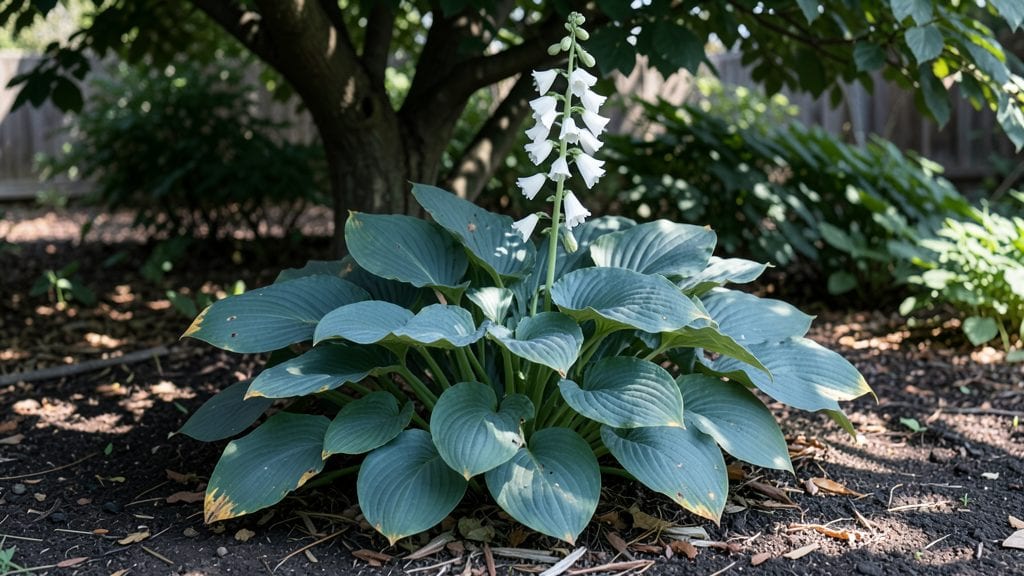
Growing a hosta plant in sunlight is easier than you think—these shade-loved perennials actually thrive in partial light with the right care.
Most gardeners swear by shade for hostas 🌿, but the truth is that many varieties—like 'Francee' and 'Halcyon'—handle 3 to 6 hours of sunlight daily. The catch? Too much direct sun can turn their leaves crispy, while the right balance unlocks vibrant foliage and faster growth.
If you're working with a sunnier spot in USDA Zone 6a or beyond, you’re not stuck with dull hostas. With the proper soil prep, watering schedule, and a few sun-smart varieties, you can turn even a bright garden bed into a hosta paradise.
Here’s how to pick the best sunlight-loving hostas, spot early signs of stress, and keep them lush all season—no shade required.


Best sun-tolerant hosta varieties for partial light gardens
Hostas are often labeled as shade plants, but many varieties actually thrive in 3–6 hours of sunlight daily—especially when paired with proper care. The key is selecting sun-tolerant cultivars that won’t scorch or wilt under partial light.
These varieties maintain their vibrant foliage while adapting to brighter conditions, making them perfect for east-facing beds or dappled sunlight areas.
When choosing hostas for partial light, prioritize those with thick, waxy leaves and moderate growth habits. These traits help them retain moisture and withstand occasional sun exposure.
Below, I’ve curated a list of 12+ top-performing hostas that handle partial light beautifully, along with their ideal sunlight thresholds and foliage characteristics.
⚠️ Pro Tip: Always acclimate hostas to sunlight gradually. Move them from full shade to partial light over 2–3 weeks to prevent leaf burn. This slow transition helps their leaves develop protective pigments naturally.
🌿 Why This Matters: Partial light hostas add year-round interest to gardens, with bold foliage colors that contrast beautifully against perennials like heucheras or ferns. Their adaptability also makes them ideal for container gardening on patios or balconies with filtered sunlight.
🌱 Key Factors for Success:
- Morning sun + afternoon shade is ideal for most varieties.
- Well-draining, moist soil prevents root stress in brighter conditions.
- Mulching (2–3 inches of organic mulch) retains soil moisture and regulates temperature.
🪴 Myth Busted: Not all hostas are shade-only plants. While traditional varieties like 'Blue Angel' prefer deep shade, newer hybrids like 'Halcyon' and 'Francee' are bred for sun tolerance while keeping their signature foliage charm.
📌 Regional Note: Hostas in hot, dry climates (Zones 8–10) need more afternoon shade (e.g., 3 hours max). In cooler zones (Zones 3–6)6 hours of morning sun without stress.
🌡️ Sunlight Spectrum:
- 3–4 hours: Best for dwarf varieties or light-colored foliage (e.g., 'Patriot', 'June').
- 4–5 hours: Ideal for medium-sized hostas with blue-green or gold foliage (e.g., 'Halcyon', 'Francee').
- 5–6 hours: Suitable for bold, dark-leaved varieties (e.g., 'Guacamole', 'Blue Mouse Ears').
🌿 Visual Guide Coming Up: Below is a comparison table of the 12 best sun-tolerant hostas, ranked by foliage color, mature size, and sunlight threshold. Use this as your cheat sheet for selecting the perfect variety for your garden’s light conditions.
🌱 Why These Varieties? These hostas were chosen for their proven resilience in partial light, based on trials from hosta growers in Zones 4–9. Each variety includes notes on leaf texture, growth rate, and maintenance tips to help you avoid common pitfalls.
| Variety | Foliage Color | Sunlight Threshold | Mature Size | Key Features |
|---|---|---|---|---|
| Francee | Blue-green with white edges | 4–6 hours | 24–30" tall, 36" wide | Thick, glossy leaves; drought-tolerant |
| Halcyon | Blue-green | 3–5 hours | 18–24" tall, 24" wide | Compact; great for containers |
| June | Blue-green | 3–4 hours | 12–18" tall, 24" wide | Dwarf; slow-spreading |
| Guacamole | Chartreuse | 4–6 hours |
How to protect and care for hostas in sunlightHostas love shade, but many varieties can thrive in partial sunlight with the right care. The key is balancing morning sun and afternoon shade to prevent leaf scorch and wilting. Even sun-tolerant hostas need protection from intense afternoon rays, especially in hot climates. With proper watering, mulching, and pruning, you can keep your hostas lush and vibrant in sunnier spots. Start by selecting sun-tolerant varieties like 'Halcyon' or 'June.' These cultivars handle 3-6 hours of sunlight better than traditional shade-loving types. Plant them in areas with dappled sunlight or where they receive morning sun but are shaded by trees or structures in the afternoon. This gradual light exposure helps prevent sudden stress on the foliage. ⚠️
⚠️ Warning: Hostas in Direct Sunlight
Never leave hostas in full sun without acclimation. Even sun-tolerant varieties can suffer from leaf scorch (brown, crispy edges) or wilting within days. If your garden has limited shade, use lightweight shade cloth (30-50%) or plant near tall perennials like ferns or astilbes for natural protection. Consistent soil moisture is critical for sun-exposed hostas. Water deeply 2-3 times per week during hot spells, ensuring the top 2-3 inches of soil stay moist but not soggy. Use a mulch layer (2-3 inches of shredded bark or straw) to retain moisture and regulate soil temperature. This prevents roots from drying out and reduces evaporation, keeping your hostas hydrated even in sunny conditions. Prune damaged foliage throughout the growing season to encourage new growth. Remove any browned or crispy leaves immediately, as these won’t recover. In late summer, trim back any leggy growth to maintain a compact shape. This not only improves appearance but also helps the plant focus energy on root and foliage development rather than weak stems. Adjust care based on the season. In summer, provide extra shade during peak hours (11 AM–3 PM) if temperatures exceed 85°F. In spring and fall, hostas can handle more sunlight, so gradually increase their exposure over 2-3 weeks to avoid shock. Always water in the early morning to reduce evaporation and fungal risks. For a quick reference, use this sunlight management checklist: ☑️ Choose sun-tolerant varieties ☑️ Provide morning sun + afternoon shade ☑️ Water deeply 2-3x/week in summer ☑️ Mulch with 2-3 inches of organic material ☑️ Prune damaged leaves regularly ☑️ Adjust shade in peak summer heat ☑️ Acclimate slowly to new light conditions |