
Blooming
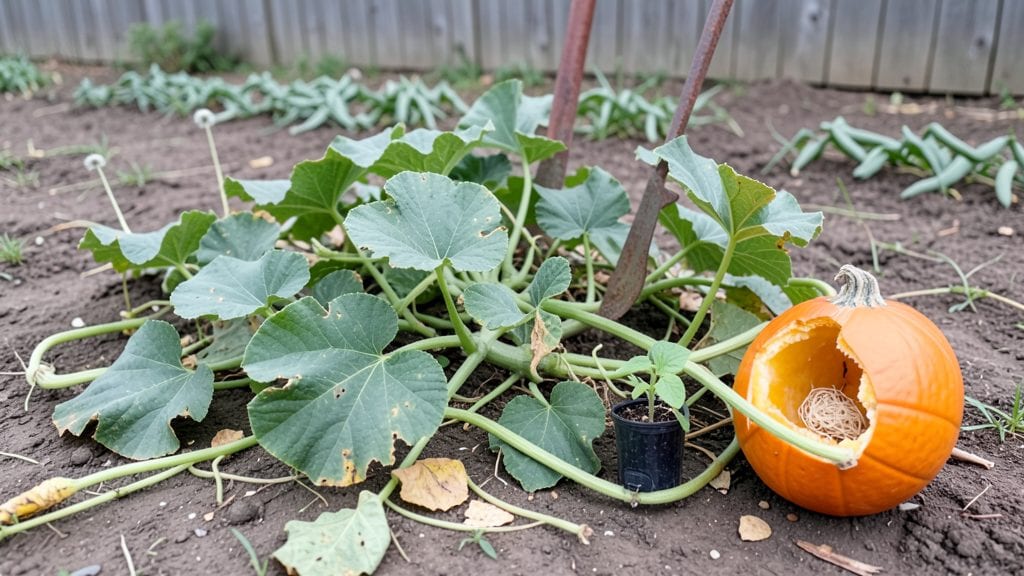
How long can you keep pumpkin seeds for planting—up to 5 years—if you store them properly, and I’ve saved seeds from fall pumpkins for spring planting for years. is night and day.
Proper storage isn’t just about tossing seeds in a jar; it’s about controlling moisture, temperature, and air exposure to keep them alive until next season.
The key is cool, dry conditions in an airtight container. A sealed glass jar or vacuum-sealed bag works best, and storing them in the fridge or freezer extends their life even further.
I’ve had heirloom pumpkin seeds germinate perfectly after 4 years when stored this way—though most varieties lose viability after 2-3 years if kept at room temperature. The trick is to keep them dry enough to prevent mold but not so dry they lose moisture entirely.
When you’re ready to plant, test a few seeds in damp paper towels to check for germination. If they sprout within 3-5 days, they’re still good to go. Stale seeds might take longer or not sprout at all.
The payoff? A fresh crop of pumpkins next fall, grown from seeds you saved yourself—nothing beats that sense of continuity in the garden.
This method works for all pumpkin varieties, from giant jack-o’-lanterns to small sugar pumpkins. Just remember: the fresher the seed, the better the start. Here’s how to make sure yours stay viable until planting season rolls around again.
📚 In This Guide
- What you need
- Instructions
- Tips and common mistakes
- Wrapping up and next steps
What you need
- ● Pumpkin seeds: Freshly harvested, clean, and completely dried (moisture content below 10%). Aim for 50–100 seeds per storage batch for experimentation.
- ● Air-tight containers: Glass jars (like mason jars), plastic seed storage boxes, or vacuum-sealed bags. Choose containers with desiccant packets or oxygen absorbers for long-term storage.
- ○ Food-grade silica gel: 2–3 packets (optional but recommended for extra moisture control).
- ● Fine-mesh sieve or colander: For drying seeds thoroughly before storage.
- ● Paper towels or parchment paper: To spread seeds out during drying (if not already dry).
- ● Permanent marker: To label containers with the seed variety and date of storage.
- ○ Refrigerator or freezer: For long-term storage (optional but extends viability significantly).
- ● Humidity indicator cards: To monitor moisture levels inside containers.
- ● Seed catalog or notebook: To track germination rates over time.
- ● Small fan or dehumidifier: If drying seeds in a humid climate.
- ● Label templates: Pre-made printable labels for easy organization.
Instructions for storing pumpkin seeds for future planting
Here’s how to preserve pumpkin seeds for years—keeping them viable and ready when you’re ready to plant.
Clean and Dry the Seeds Thoroughly
Start by removing seeds from the pumpkin flesh and rinsing them under cool water to remove any remaining pulp. I spread them on a clean paper towel or mesh screen in a single layer—this prevents moisture buildup, which can lead to mold. Let them air-dry in a warm, well-ventilated spot for 3-5 days, flipping them occasionally. They’re ready when completely dry to the touch and no longer sticky.
Skipping this step risks storing damp seeds, which can rot or develop mold. If you’re impatient, you can speed up drying with a low-heat oven (set to 150°F) for 1-2 hours, but monitor closely to avoid overheating. Store-bought pumpkin seeds from pie filling won’t work—they’re coated in sugar and oils that prevent proper drying.
Choose the Right Storage Container
Use an airtight container made of glass, plastic, or metal to keep seeds fresh. I prefer small mason jars or resealable plastic bags with the air squeezed out before sealing. Label each container with the pumpkin variety and the date—this helps track how long they’ve been stored. Moisture and light are the enemies of seed viability, so keep containers in a cool, dark place like a pantry or basement.
Never store seeds in the fridge or freezer unless they’re in a completely sealed, moisture-free container—condensation can ruin them. A dark closet or cabinet works perfectly for long-term storage. If you’re storing multiple varieties, keep them separated to avoid cross-contamination.
Store in Optimal Conditions for Maximum Viability
Pumpkin seeds can last 4-5 years in ideal conditions, but viability drops over time. The key is maintaining low humidity (below 10%) and consistent cool temperatures (around 40-50°F). I place my jars in a pantry corner away from the stove or windows, where temperature swings are minimal. Check them annually—if you notice any mustiness or signs of mold, discard the batch immediately.
For extra protection, add a small silica gel packet to the container (the kind used in shoe boxes). This absorbs any lingering moisture and extends shelf life. If you’re unsure about seed freshness, you can test a few by planting them—if they sprout within 7-10 days, the rest are likely still good.
Test Seed Viability Before Planting
Before committing to a full planting, test a handful of seeds to check their viability. I plant 3-5 seeds in a small pot with moist potting mix and cover it with plastic wrap to create a mini greenhouse. Place it in a warm spot (70-75°F) and check for sprouts in 7-10 days. If at least 50% of the seeds sprout, the rest should be viable for planting.
If germination rates are low, the seeds may still be usable but will take longer to sprout. Older seeds (over 5 years) may require soaking in lukewarm water for 12 hours before planting to soften the seed coat. Keep track of your storage dates—this helps predict germination success and adjust planting times accordingly.
Plant Stored Seeds Properly for Best Results
When you’re ready to plant, soak the seeds in warm water for 6-12 hours to speed up germination. This is especially helpful for seeds stored beyond 3 years. Plant them 1 inch deep in well-draining soil, spacing them 2-3 inches apart. Keep the soil consistently moist but not soggy—pumpkin seeds need warmth (70-85°F) and humidity (60-70%) to germinate successfully.
If you’re planting in cooler weather, consider using a seedling heat mat to maintain soil warmth. You’ll see sprouts in 7-14 days, though older seeds may take longer. Thin seedlings to the strongest 2-3 plants per hill once they have 2-3 true leaves to give them room to grow.
Tips & tricks for perfect pumpkin seed storage
Storing pumpkin seeds properly is all about controlling moisture and temperature—here's how to avoid common mistakes that shorten their lifespan.
Drying is Non-Negotiable: The 3-5 day air-drying period in Step 1 is your first line of defense against mold. I learned this the hard way after storing damp seeds that developed a musty smell within weeks. For faster drying, use the oven at exactly 150°F for 1-2 hours, but set a timer and check frequently—they can overheat and lose viability if left unattended. The goal is seeds that feel completely dry to the touch, not just slightly damp.
Container Selection Matters More Than You Think: While any airtight container works, mason jars provide the best protection against moisture and light. I've found that resealable plastic bags can sometimes trap residual moisture if not completely sealed, so I always press out all the air before closing. For long-term storage, consider adding a small silica gel packet—it absorbs any lingering moisture that could compromise seed quality over years.
Temperature Consistency is Key: The ideal 40-50°F range in Step 3 might seem cold, but it's crucial for maintaining viability. I store my seeds in the back of a pantry closet where temperatures stay stable, away from kitchen appliances that cause heat fluctuations. If you notice condensation inside your container, it's a sign the humidity is too high—transfer to a drier location immediately. Remember, seeds stored at warmer temperatures will degrade faster, even if they look fine.
Labeling Saves Future Headaches: I can't emphasize this enough—label every container with the pumpkin variety and storage date. After 4-5 years, seeds naturally lose viability, and you'll want to know which batch to use first. I also include a quick note about any special storage conditions (like adding silica gel) so I don't forget when I check them annually. This simple habit has saved me from planting seeds that were past their prime.
Pro Tips for How Long Can You Keep Pumpkin Seeds For Planting
- Storing pumpkin seeds properly is all about controlling moisture and temperature—here's how to avoid common mistakes that shorten their lifespan.
- Drying is Non-Negotiable: The 3-5 day air-drying period in Step 1 is your first line of defense against mold.
- Container Selection Matters More Than You Think: While any airtight container works, mason jars provide the best protection against moisture and light.
Frequently asked questions
about storing pumpkin seeds for planting—because every gardener deserves clarity! Here are the answers to the most common queries to help you maximize your seeds' potential.How do I know if my pumpkin seeds are still good for planting?
Test viability by placing a few seeds in a damp paper towel for 3–5 days. If they sprout white roots, they’re still good! For older seeds, soak them overnight—if they sink, they’re likely viable. Discard any that float or show mold.
Can I store pumpkin seeds in the fridge instead of the freezer?
Yes! A cool, dry place like the fridge (in an airtight container) works for up to 6–12 months. However, the freezer extends viability to 3–5 years by slowing moisture loss and preventing mold. For best results, label seeds with the date.
What’s the best way to dry pumpkin seeds before storage?
Spread seeds in a single layer on a paper towel or mesh screen in a warm, dry spot (like a sunny windowsill) for 3–5 days. Stir them occasionally. They’re ready when they’re completely dry and rattle in the container—no moisture left!
Can I reuse last year’s pumpkin seeds for planting?
Stored properly, pumpkin seeds can last 3–5 years in the freezer or 1–2 years in a cool, dry place. However, germination rates drop over time. Test a few seeds first to gauge success—especially if they’re older than 2 years.
Why did my stored pumpkin seeds get moldy?
Mold happens when seeds are stored in a humid or damp environment. To prevent it, ensure seeds are fully dry before storage and use airtight containers with silica gel packets. If mold appears, discard the seeds immediately—it can harm germination.
Wrapping up and next steps
So, whether you're saving seeds from your last harvest or stocking up for next year’s garden, proper storage is key—pumpkin seeds can last years if kept dry, cool, and dark! 🌱 With the right techniques, you’ll be ready to grow vibrant pumpkins season after season.
Now that you know the secrets, why not try storing a batch today? Grab those seeds, follow your favorite method, and get ready to plant with confidence!
Next step: Label your containers and set a reminder to check on them—happy gardening awaits! 🌿