
Lawn
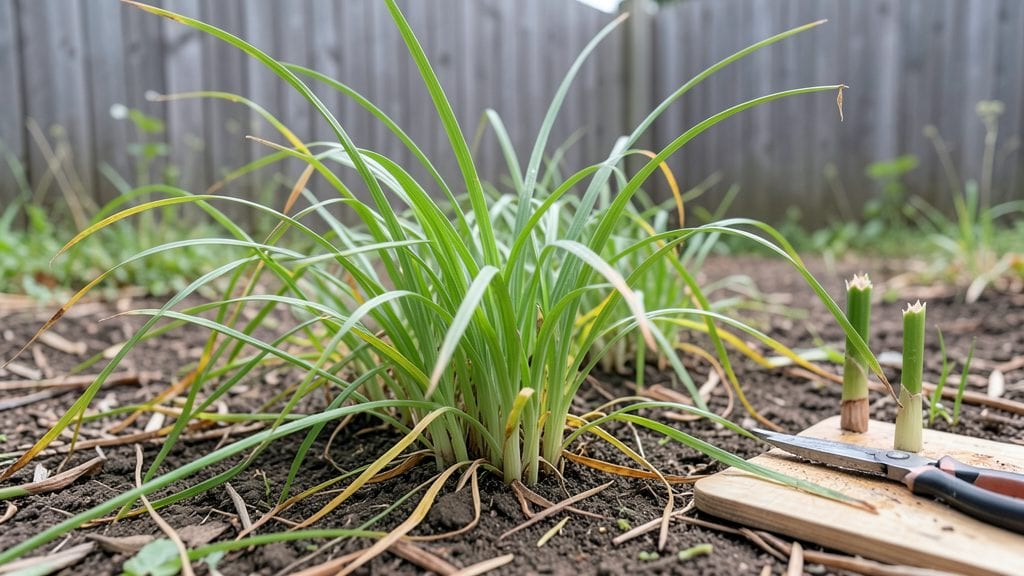
Learn how to cut a lemon grass plant properly to keep it thriving and productive for years—just master these two simple cuts for harvest and regrowth. ✨ The key is timing and technique, not brute force.
You’ll need sharp pruning shears or a clean knife, a bucket for clippings, and about 15 minutes. Lemon grass regrows from its base, so always cut at a 45-degree angle, about 3–4 inches above the soil line. This encourages fresh shoots while keeping the plant strong enough to bounce back.
After cutting, you’ll notice new growth within weeks—thick, vibrant stalks ready for your next harvest. The roots stay healthy, and the plant produces more leaves than before. Just avoid cutting more than a third of the plant at once, or you’ll stress it out.
This method works for both culinary and ornamental use, whether you’re chopping for curries or keeping a fragrant border in your garden. Once you try it, you’ll never buy store-bought again.
📚 In This Guide
- What you need
- Instructions
- Tips and common mistakes
- Wrapping up and next steps
What you need
- ● Sharp pruning shears or scissors: A clean, sharp pair (preferably sterilized with rubbing alcohol) to avoid damaging the plant or spreading disease. Look for bypass pruners or garden scissors with a 4-6 inch blade.
- ○ Gloves (optional but recommended): Heavy-duty gardening gloves to protect your hands from sharp edges and sap. Nitrile or leather gloves work best.
- ● Ruler or measuring tape: To ensure you’re cutting at the correct height (typically 6-12 inches from the base). A 12-inch tape measure is ideal.
- ● Disinfectant (rubbing alcohol or bleach solution): To sterilize your tools before and after use. Mix 1 part bleach with 9 parts water for a quick sanitize.
- ● Watering can or hose: To hydrate the plant post-cutting. A spray nozzle helps avoid over-saturating the soil.
- ● Garden twine or rubber bands: To bundle cuttings for propagation if you plan to grow new plants from the trimmings.
- ● Compost bin or bag: For disposing of larger trimmings or using them as mulch.
- ● Plant food or fertilizer: A balanced, water-soluble fertilizer (like 10-10-10) to boost regrowth after pruning.
- ● Plastic wrap or humidity dome: If propagating new plants from cuttings, to maintain moisture during rooting.
Step-by-Step guide for pruning lemon grass
Here's how to keep your lemon grass thriving with simple cuts that encourage lush regrowth.
✂️ Step 1: Identify the Right Time to Prune
Wait until your lemon grass reaches 12-18 inches tall before cutting—this is when it’s strong enough to regrow. The best time is early spring or after harvest, when the plant has energy stored. Avoid pruning in winter when growth slows down.
Look for thick, mature stalks with 3-4 inches of green growth above the base. These are ready for cutting, while younger shoots should stay untouched. I always check for at least 3 healthy stalks per plant before pruning—this ensures you don’t overcut and stress the plant.
✂️ Step 2: Make Clean Cuts at the Right Height
Use sharp scissors or pruning shears to cut the stalks about 6 inches above the ground. This leaves enough of the stem to regrow while removing the woody lower part. Angle your cuts slightly to prevent water from pooling on the stub.
Never cut below the 3-inch mark—this can kill the plant. If you see brown or dry stalks, trim those first, as they won’t regrow. I like to make 2-3 cuts per plant in one session, spacing them out to avoid overstressing the roots.
🌱 Step 3: Encourage New Growth After Pruning
Water the base of the plant deeply right after pruning to help it recover. The soil should feel moist 2 inches down—this signals the roots to push out fresh shoots. Avoid fertilizing immediately, though; wait 2-3 weeks to let the plant adjust.
Place the plant in bright, indirect light for the first week post-prune. Too much direct sun can stress the cut stems. You’ll see new shoots emerging from the base within 4-6 weeks—this is your reward for a job well done.
🌿 Step 4: Maintain Healthy Regrowth Long-Term
Once new growth reaches 6-8 inches tall, you can harvest again. Always leave at least 3 stalks per plant to keep it productive. I prune my lemon grass every 3-4 months in warm climates, adjusting for cooler seasons.
Watch for signs of stress like yellowing leaves or slow regrowth—this usually means over-pruning or poor soil. If this happens, trim back even lighter next time and add a light layer of compost to boost nutrients.
Tips & tricks for perfect lemon grass pruning
These simple tricks will help you keep your lemon grass thriving—and avoid common mistakes that can stunt its growth.
Timing is Everything: The 12-18 inch height guideline in Step 1 isn't arbitrary—this is when the plant has stored enough energy to regrow robustly. I've learned the hard way that pruning too early (below 12 inches) can stress the plant, while waiting too long (above 18 inches) risks losing those lower woody stalks that won't regrow. Check for those 3-4 inches of green growth above the base as your visual cue.
Cutting Technique Matters: That 6-inch height in Step 2 leaves just enough stem to regenerate while removing the tough lower portion. Here's what I do: I make a slight diagonal cut to prevent water from pooling on the stub, and I always use sharp scissors—dull blades crush the stems and invite disease. For stubborn stalks, I make a second cut just above the first to ensure a clean break.
Post-Prune Care Makes the Difference: The deep watering in Step 3 isn't just about hydration—it's about signaling to the roots that it's time to push out new growth. I've found that adding a handful of compost to the soil at this stage gives the plant an extra nutrient boost for recovery. Just remember to wait those 2-3 weeks before fertilizing to avoid overwhelming the plant.
Seasonal Adjustments: While the instructions mention warm climates, I've adapted this for cooler seasons by extending the pruning interval to every 4-5 months. In winter, I focus on removing only the brown or damaged stalks rather than doing full pruning. The plant's natural dormancy period helps it store energy for spring regrowth.
Pro Tips for Cut Lemon Grass Plant
- These simple tricks will help you keep your lemon grass thriving—and avoid common mistakes that can stunt its growth.
- Timing is Everything: The 12-18 inch height guideline in Step 1 isn't arbitrary—this is when the plant has stored enough energy to regrow robustly.
- Cutting Technique Matters: That 6-inch height in Step 2 leaves just enough stem to regenerate while removing the tough lower portion.
Frequently asked questions
Got questions about cutting lemon grass? You’re not alone! Here are some of the most common queries—and straightforward answers—to help you prune like a pro.
When is the best time to cut lemon grass for regrowth?
The ideal time to trim your lemon grass is after it’s fully matured (about 12–18 months old) and before flowering. Cutting in spring or early summer gives the plant time to recover before winter. Avoid heavy pruning in cold months—lemongrass is tender and needs warmth to regrow!
How much of the lemon grass stalk should I cut off?
Leave about 3–4 inches of the stalk above the soil after cutting. This ensures the plant retains enough energy to regrow. If you cut too low, the base may rot or fail to sprout new shoots. Think of it like a haircut—leave the roots intact!
Can I use the leftover lemon grass after cutting?
The trimmed stalks are still fully usable for cooking, teas, or infusions. Just strip the outer layers and use the tender inner parts. Store them in the fridge (wrapped in a damp paper towel) or freeze for up to 3 months. Waste not, flavor totally!
What if my lemon grass turns yellow or dies after cutting?
Yellowing or wilting can happen if you cut too aggressively or the plant is stressed (e.g., poor drainage, overwatering). To revive it:
- Trim back to healthy green growth only.
- Water moderately—lemongrass hates soggy roots.
- Fertilize lightly with a balanced organic fertilizer.
- Ensure it gets full sun (6+ hours/day).
Can I propagate lemon grass from the cuttings?
Yes! The leftover stalks can root and grow into new plants. Here’s how:
- Trim the bottom 2–3 inches of a healthy stalk.
- Remove the lower leaves, leaving the top.
- Place the cutting in water or moist soil.
- Keep it in bright, indirect light until roots form (2–4 weeks).
Wrapping up and next steps
Cutting your lemon grass plant doesn’t have to be intimidating—with the right tools and techniques, you’ll keep it thriving while harvesting fresh stems for cooking! Remember, timing, sharp tools, and proper regrowth care are key to a healthy plant.
Whether you’re trimming for flavor or maintenance, follow these steps to enjoy a bountiful harvest season after season.
Now that you’re ready to harvest like a pro, why not share your success?
Snap a photo of your lemon grass plant post-cut and tag us—we’d love to see your green thumb in action! 🌿 For even more tips, check out our guide on lemon grass care to keep your plant happy year-round.