Pruning
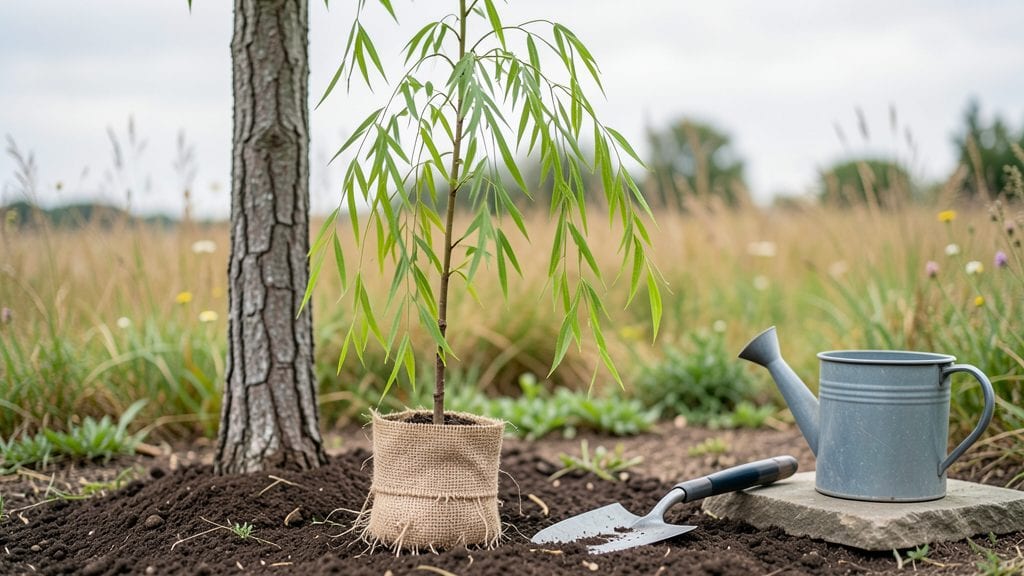
Planting a willow tree in damp soil gives you a fast-growing, graceful addition that thrives where others fail. 🌿 The key to healthy growth starts with the right timing—spring or early fall—and a spot with plenty of moisture, since willows love their feet wet.
I planted mine near a pond edge, and within two years, it became the star of the landscape with its arching branches and vibrant green foliage.
Willows need moist, well-drained soil—think clay or sandy loam—and plenty of space, since their roots spread aggressively. Choose a variety suited to your climate: weeping willows for ornamental beauty, crack willows for erosion control, or pussy willows for early spring interest.
Avoid planting near foundations or sidewalks unless you’re prepared for some root management.
After planting, water deeply to settle the soil, then keep it consistently moist but not soggy. The first year is critical—you’ll see new shoots emerge within weeks if conditions are right.
Prune lightly in late winter to shape the tree and remove dead wood, but avoid heavy cuts that stress young willows. With proper care, you’ll have a thriving, disease-resistant specimen that outshines most landscape trees.
This guide covers everything from soil prep to seasonal pruning, so you can skip the trial-and-error and get straight to growing. Whether you’re restoring a wetland area or adding drama to your yard, willows deliver unmatched beauty and resilience—once you know the tricks.
Let’s get those roots in the ground!
📚 In This Guide
- What you need
- Instructions
- Tips and common mistakes
- Wrapping up and next steps
What you need
- ● Willow tree saplings: 1-3 (depending on desired spacing; choose disease-resistant varieties like Salix babylonica or Salix fragilis).
- ● Shovel or spade: 1 (for digging holes; 12-18 inches wide and deep).
- ● Garden gloves: 1 pair (to protect your hands from dirt and thorns).
- ● Watering can or hose: 1 (with a gentle spray nozzle for hydration).
- ○ Mulch (optional but recommended): 2-3 bags (wood chips or straw to retain moisture).
- ● Compost or fertilizer: 1 small bag (balanced 10-10-10 or organic options like worm castings).
- ● Stakes and twine (for young trees): 2-3 stakes (4-6 feet tall) and twine (to support saplings).
- ● Soil test kit: 1 (to check pH and nutrient levels; willows prefer slightly acidic to neutral soil, pH 6.0-7.5).
- ● Root stimulator: 1 bottle (to encourage healthy root growth).
- ● Pruning shears: 1 pair (for trimming excess branches post-planting).
- ● Tree guard or protective wrap: 1 (to shield young trees from pests or harsh weather).
Instructions for planting and pruning willow trees
Here's how to plant and maintain willows for strong, vibrant growth year after year.
🌱 Step 1: Choose the Right Planting Site and Season
Willows thrive near water but tolerate moist soil—pick a spot with 6+ hours of sunlight daily. Spring is ideal, after the last frost when soil warms to 50°F or higher. I dig a hole twice as wide as the root ball but only as deep—willows hate being planted too deep, which can suffocate roots.
Loosen the soil at the bottom of the hole with your fingers to encourage root spread. If your soil drains poorly, mix in 1 part sand to 3 parts native soil to improve aeration. Willow roots spread aggressively, so place young trees 20-30 feet apart to prevent future crowding.
🪴 Step 2: Plant the Willow Tree Properly
Gently remove the tree from its container and tease the roots outward if they're circling. Place it in the hole so the top of the root ball sits 1-2 inches above ground level—willows settle over time, and planting too deep can cause rot. Backfill with native soil, tamping lightly every 6 inches to eliminate air pockets.
Create a watering basin by mounding soil around the edges of the hole. This directs water straight to the roots when you water deeply. I always add 2-3 inches of mulch (wood chips or straw) around the base, keeping it 6 inches away from the trunk to prevent rot. Mulch helps retain moisture and regulates soil temperature.
✂️ Step 3: Prune for Shape and Health After Planting
Prune immediately after planting to remove any broken or damaged branches. Cut just above a leaf node or bud at a 45-degree angle to encourage outward growth. I also trim back any stems that are thinner than a pencil—these won’t support healthy foliage and can invite pests.
Willows grow fast, so focus on removing no more than 25% of the canopy at a time. This prevents stress and keeps the tree strong. If your willow has suckers (shoots growing from the base), remove them early—this redirects energy to the main trunk and encourages upward growth.
☀️ Step 4: Water and Monitor for Healthy Growth
Water deeply 2-3 times per week for the first month, then taper to once a week once established. Willows need consistent moisture but hate soggy roots—check that the soil feels damp 2 inches down before watering again. I use a hose with a gentle spray to avoid disturbing the mulch.
Watch for new leaves in 4-6 weeks—this is your sign the tree is rooting well. If leaves yellow or wilt, it might be too dry or too wet. Willows are tough but need balanced care. Fertilize lightly in early spring with a 10-10-10 formula to support growth without overfeeding.
⏰ Step 5: Schedule Seasonal Pruning for Long-Term Health
Prune lightly in late winter or early spring before buds swell to shape the tree and remove dead wood. I always use clean, sharp pruners to make smooth cuts—ragged edges invite disease. Remove any crossing branches or those growing inward to improve airflow and sunlight penetration.
In late summer, trim back any leggy growth that appears after the main growing season. This encourages a bushier form and prevents weak, floppy branches. Avoid heavy pruning in fall—willows need time to harden off before winter. A well-pruned willow rewards you with lush foliage and strong structure year after year.
Tips & tricks for planting and pruning healthy willow trees
A few simple tricks will help you avoid common mistakes and give your willow the best start possible.
The Soil Temperature Test: Before planting, check that your soil has reached at least 50°F by inserting a thermometer 2 inches deep. Cold soil can shock the roots and delay growth. If it's still chilly, wait a few more days—willows are impatient but not reckless! They'll thank you with faster root establishment once the ground warms up.
Root Ball Inspection: When removing your willow from the container, gently separate the roots with your fingers if they're circling tightly. This prevents "pot-bound" roots from strangling themselves as they grow. I always give the roots a quick soak in water while I'm preparing the hole—it helps them recover from transplant shock and settle in faster.
Pruning Precision: When making those 45-degree cuts in Step 3, use sharp pruners and cut just above a leaf node or bud. The angle helps water run off the cut, preventing rot. For suckers at the base, pull them out completely rather than cutting—they'll regrow from any remaining stem piece. I've learned this the hard way after dealing with stubborn regrowth!
Watering Wisdom: That 2-3 inches of mulch isn't just decoration—it's your moisture regulator. Keep it 6 inches away from the trunk to prevent rot, but don't skimp on coverage. In hot weather, I water in the early morning to reduce evaporation, and always check soil moisture 2 inches down before watering again. Overwatering is just as harmful as underwatering for willows.
Pro Tips for Willow Tree Planting
- A few simple tricks will help you avoid common mistakes and give your willow the best start possible.
- The Soil Temperature Test: Before planting, check that your soil has reached at least 50°F by inserting a thermometer 2 inches deep.
- Root Ball Inspection: When removing your willow from the container, gently separate the roots with your fingers if they're circling tightly.
Frequently asked questions
Got questions about planting willow trees? Here are some of the most common ones—plus straightforward answers to help you get started with confidence!
What’s the best time of year to plant a willow tree?
The ideal window is early spring or fall (March–April or September–October). Willow trees thrive in cooler weather, and planting before summer heat reduces stress. Avoid winter—frost can damage young roots.
How far apart should I space willow trees?
Willows grow aggressively! Space them 15–25 feet apart for single-trunk varieties or 30+ feet for weeping willows. Check your local climate—humid areas may need extra room to prevent overcrowding.
Do willow trees need special soil or drainage?
Willows tolerate wet soil (great for ponds or bogs!) but avoid waterlogged roots. Amend heavy clay with compost or sand. A slightly acidic to neutral pH (6.0–7.5) works best. Mulch helps retain moisture.
Why is my willow tree’s leaves turning yellow?
Yellowing leaves often signal overwatering, nutrient deficiency (like iron), or fungal issues. Check soil moisture—willows hate soggy roots. Test soil for pH/fertilizer needs, and prune dead branches to improve airflow.
Can I plant a willow tree in a small yard?
Traditional willows need space, but dwarf varieties (e.g., Salix caprea ‘Pendula’) work for smaller yards. Alternatively, opt for container planting—just ensure the pot drains well and replant every 2–3 years.
Wrapping up and next steps
Planting and pruning willow trees is a rewarding way to nurture their natural beauty while ensuring long-term health and growth. By following seasonal guidelines—like spring trimming for shape, summer monitoring for pests, and winter pruning for structure—you’ll create a thriving, resilient tree that enhances your landscape.
Whether you’re a beginner or a seasoned gardener, every snip is a step toward a greener, more vibrant future! 🌿
Ready to take action? Start by marking your calendar for next spring’s pruning session and gather your tools—your willow tree will thank you with lush, graceful branches for years to come! 🌱