
How To
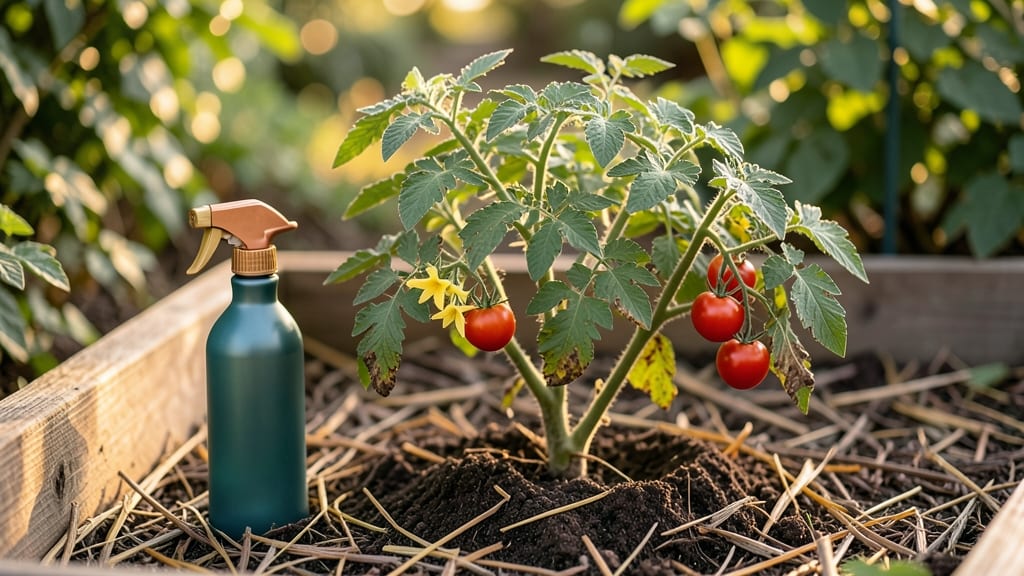
When those telltale dark spots strike your tomato plants, learning how to get rid of blight on tomato plants can mean the difference between a failed crop and a thriving vine—here’s what’s worked for me. 🌱 I’ve fought blight in my garden for years, and the difference between a failed crop and a thriving vine often comes down to timing and the right treatment—copper fungicide works when store-bought sprays fail.
Blight thrives in damp, crowded conditions, so spacing plants properly and watering at the base (not overhead) cuts off its fuel. Early signs—small brown spots on lower leaves—can be pruned away immediately, but late blight spreads like wildfire, turning foliage to mush in days.
Copper spray disrupts fungal growth without harming bees or soil life, making it the go-to for organic gardeners.
You’ll see results within a week if you catch it early: new growth stays crisp, and the plant redirects energy to fruit instead of fighting disease. The key is consistency—spray every 7 to 10 days during humid weather, and pair it with good airflow by pruning crowded branches.
No more wilting vines or rotten tomatoes at harvest time.
Works in all climates, but adjust frequency for rainy seasons. Here’s the step-by-step plan to turn your struggling plants around—before the blight wins.
Root Causes of Tomato Blight
Tomato blight—whether early, late, or bacterial—isn’t just a random attack on your plants. It thrives because of specific conditions and vulnerabilities in your garden. Understanding these triggers is the first step to stopping the spread.
Below, we break down the real culprits behind blight, from fungal spores lurking in the soil to environmental factors that turn your garden into a blight buffet.
🍄 Blight is primarily caused by fungi like Phytophthora infestans (late blight) or Alternaria solani (early blight), which spread via microscopic spores. These spores are everywhere—in contaminated soil, old plant debris, or even the wind. Here’s how they take hold:
- Survival Mode: Fungal spores can hibernate in soil, mulch, or infected plant remains for years, waiting for the right conditions to wake up.
If you planted tomatoes in the same spot last year and saw blight, those spores are still there, biding their time. - Splash Zone: Heavy rain or overhead watering splashes spores from the soil onto leaves, where they land and germinate.
This is why blight often starts on lower leaves and creeps upward. - Moisture Lovers: High humidity (above 75%) and wet foliage create the perfect breeding ground. Spores germinate within 4–6 hours of leaf moisture, forming greasy-looking lesions that spread rapidly.
💡 Pro Tip: If you’ve had blight before, rotate crops (don’t plant tomatoes, potatoes, or peppers in the same spot for 3+ years) to starve out lingering spores.
🌿 Poor air circulation is a blight magnet. When tomato plants are packed too closely together, several problems arise:
- Stagnant Air: Dense foliage traps moisture, creating a humid microclimate that fungi adore. Without airflow, spores cling to leaves instead of drying out. - Stress Signals: Crowded plants compete for nutrients, weakening their defenses.
Stressed plants are easier targets for pathogens. - Water Trapping: Overhead irrigation (like sprinklers) soaks leaves, giving spores a direct route to infection. Drip irrigation or soaker hoses keep foliage dry, but if plants are too close, water still pools between them.
🔥 Quick Fix: Space tomato plants 18–24 inches apart (or follow your variety’s needs) and prune lower leaves to improve airflow.
🌡️ Blight fungi love temperature swings—especially when nights stay warm (60–80°F) and days are cool (50–70°F). Here’s why:
- Nighttime Feast: Warm nights slow the evaporation of morning dew, keeping leaves wet longer. Spores germinate faster in this damp, warm environment. - Daytime Slowdown: Cooler days weaken plant defenses, making them more susceptible to infection.
Think of it like a tomato plant catching a cold—its immune system is compromised. - Perfect Storm: Late blight (Phytophthora) thrives in temperatures between 60–77°F, while early blight (Alternaria) prefers 75–85°F. Both love high humidity, which is common in summer afternoons.
✨ Smart Gardener Hack: Monitor your local weather forecasts and water in the morning (not evening) to let foliage dry before nightfall.
🛡️ A healthy tomato plant can fight off blight—but stress opens the door. Common weaknesses include:
- Nutrient Deficiencies: Lack of potassium (K) or phosphorus (P) makes plants more vulnerable.
Blight often hits when plants are starved for these key nutrients. - Overwatering or Underwatering: Both extremes stress plants. Overwatering keeps soil soggy (inviting fungi), while drought stress weakens roots, making them easier targets. - Physical Damage: Insect bites, hail, or even rough handling create entry points for spores.
A simple aphid infestation can leave plants open to secondary infections. - Poor Drainage: Waterlogged soil drowns roots, preventing nutrient uptake and inviting fungal growth. Blight loves saturated conditions—think of it as a fungal spa day.
💪 Boost Defenses: Feed plants with a balanced fertilizer (10-10-10 or 5-10-10) and mulch with straw to retain moisture without suffocating roots.
🔪 You might unknowingly bring blight into your garden through:
- Dirty Pruners or Shovels: Spores hitchhike on tools used in infected areas. Always sanitize with 70% rubbing alcohol or bleach water (1:10 ratio) between uses. - Infected Seedlings or Transplants: Buying or swapping plants from a blight-stricken garden can introduce the problem.
Inspect new plants for dark spots or mold before planting. - Compost or Mulch: If made from infected plant debris, compost can reintroduce spores into your soil. Cook compost piles (140°F+) to kill pathogens.
🎯 Prevention Tip: Start with certified disease-free seeds and sterilize tools before and after gardening sessions.
🚨 Blight doesn’t announce itself—it starts small and spreads fast. By the time you see large, rotting patches, the fungus has already:
- Released more spores, infecting neighboring plants.
- Penetrated the plant’s vascular system, cutting off water and nutrients.
- Created a breeding ground for secondary infections (like bacterial spot).
🔍 Catch It Early: Check lower leaves weekly for dark, greasy spots (early blight) or irregular brown patches with white mold (late blight). Remove and destroy infected leaves immediately (don’t compost them!).
Blight isn’t a mystery—it’s a chain reaction fueled by moisture, warmth, stress, and poor garden hygiene. The good news? You can break the cycle by addressing these root causes. Next up: How to stop blight in its tracks with copper sprays, organic fixes, and long-term prevention. 🚀
Fixing Blight on Tomato Plants
Blight doesn’t have to mean the end of your tomato harvest—with the right approach, you can save your plants, prevent spread, and even bounce back stronger.
Below, we break down targeted fixes for each type of blight (early, late, and bacterial) along with preventive strategies to keep your garden thriving. Let’s roll up our sleeves and get those plants back in fighting shape!
Early blight (Alternaria solani) starts with yellow lower leaves and brown, concentric-ringed spots. If caught early, you can reverse the damage and protect the rest of the plant.
🔥 Remove Infected Foliage Immediately
- 👨🍳 Snip off yellowed or spotted leaves 2–3 inches below the damage (use sterilized pruners or scissors).
- 🗑️ Dispose of infected plant debris in the trash (not compost)—this fungus thrives in organic matter.
- ⏰ Do this in the morning so leaves have time to dry before evening moisture fuels spores.
🍳 Apply Copper Fungicide (The Game-Changer)
Copper-based sprays (like copper sulfate or copper hydroxide) are organic, effective, and fast-acting against early blight.
- 📊 Mix: 1 tbsp copper fungicide per gallon of water (follow product instructions).
- 🌡️ Spray both sides of leaves and stems every 7–10 days or after rain.
- 🎯 Best time: Early morning or late afternoon to avoid scorching leaves.
🌱 Boost Plant Health Proactively
- 💡 Mulch with straw or grass clippings (2–3 inches deep) to reduce soil splashes that spread spores.
- 🥗 Water at the base (avoid overhead sprinkling) to keep leaves dry.
- ✨ Rotate crops—never plant tomatoes, potatoes, or peppers in the same spot next year.
Late blight (Phytophthora infestans) is aggressive, fast-spreading, and deadly—it causes greasy-looking brown spots with white mold and can wipe out a plant in days. If you see it, act fast.
🔪 Prune Aggressively (But Sterilize Tools!)
- ⚠️ Remove ALL infected leaves and stems—even small spots can harbor spores.
- 🧼 Sterilize pruners with rubbing alcohol or bleach water (1 part bleach to 9 parts water) between cuts.
- 🗑️ Bag and trash infected plant parts immediately—do not compost.
🍳 Copper + Baking Soda Combo Spray (Organic Powerhouse)
A homemade copper-baking soda spray can stop late blight in its tracks.
- 📊 Mix:
- 1 tbsp copper fungicide
- 1 tbsp baking soda
- 1 tsp dish soap (as a sticker)
- 1 gallon water
- 🌡️ Spray thoroughly (top and bottom of leaves) every 5–7 days or after rain.
- 💡 Add 1 tsp hydrogen peroxide (3%) to boost effectiveness.
🌧️ Prevent Future Outbreaks
- 🌡️ Avoid overhead watering—use drip irrigation or soaker hoses.
- 🌱 Space plants 18–24 inches apart for better airflow (fungi love humidity).
- 🔄 Plant blight-resistant varieties like ‘Mountain Merit,’ ‘Defiant PhR,’ or ‘Bush Early Girl.’
Bacterial spot (Xanthomonas perforans) causes small, water-soaked spots that turn brown and crusty. Unlike fungal blight, antibiotics can help—but you’ll need a multi-step approach.
💊 Copper + Streptomycin Spray (The Dynamic Duo)
- 📊 Mix:
- 1 tbsp copper fungicide
- 1/4 tsp streptomycin (or oxytetracycline powder)
- 1 gallon water
- 🌡️ Spray every 7–10 days until new growth appears.
- ⚠️ Warning: Streptomycin can harm beneficial insects—use only as a last resort.
🧼 Clean Up Like a Surgeon
- 👨🍳 Remove infected leaves and sterilize tools between cuts.
- 🗑️ Destroy plant debris—do not compost.
- 🌧️ Water in the morning so leaves dry quickly.
🌱 Long-Term Prevention
- 🌡️ Sanitize everything—tools, containers, and even gloves between plants.
- 🌱 Use row covers early in the season to block bacterial spread from wind/rain.
- 🔄 Crop rotation is non-negotiable—wait 3–4 years before replanting tomatoes in the same spot.
No matter the blight, these habits will save your tomatoes year after year: - 💡 Start with healthy seedlings—buy from reputable nurseries or grow from sterilized seeds. - 🌡️ Monitor weather forecasts—blight thrives in humidity + temps 70–80°F.
Set up a shade cloth if needed. - 🌱 Test your soil—pH 6.0–6.8 and balanced nutrients make plants more resilient. - 🔄 Companion plant with basil, marigolds, or onions to deter pests and improve airflow. - 🧼 End the season right—pull up and compost (only if disease-free) or solarize soil in fall to kill spores.
If more than 50% of the plant is infected or fruit is heavily spotted, it may be best to remove the plant entirely to protect others.
But don’t despair—learn from it! - 📝 Note what failed (overcrowding? poor airflow? late copper sprays?). - 🌱 Plan next year’s garden with resistant varieties, better spacing, and stricter hygiene. - 🍅 Try container gardening—elevated pots reduce soil-borne blight risks.
Your tomatoes don’t have to be blight casualties—with these steps, you’ll be back to juicy, vine-ripened slices in no time! 🍅🔥 Let’s grow those perfect tomatoes!
Frequently asked questions about tomato blight
How can I tell if my tomato plant has early blight vs. late blight?
Early blight shows concentric brown rings on lower leaves, while late blight creates greasy, irregular brown patches with white mold on both upper and lower leaves. Early blight spreads slowly, but late blight can destroy plants in days. Check stems too—late blight causes dark, sunken lesions.
Is copper spray safe for edible plants like tomatoes?
Yes, when used correctly! Copper fungicides are organic and approved for edible plants. Follow label instructions—typically 1 tablespoon per gallon—and wait 24 hours before harvesting treated fruit. Always spray early morning or late afternoon to avoid leaf burn from sunlight.
Can I still save my tomatoes if the blight has already spread to the fruit?
It depends on severity. If only small spots appear, remove infected fruit immediately. For heavy infestation, prune all diseased foliage and apply copper + baking soda spray weekly. Harvest green tomatoes early and ripen indoors if needed—blight won't spread further once picked.
How long does it take to see results from copper treatments?
You should notice slowed spread within 3–5 days if applied correctly. For new growth protection, apply every 7–10 days during humid weather. Consistency is key—single treatments won't stop established infections. Combine with proper spacing and watering for best results.
Will my tomato plants come back next year if I had blight this season?
Yes, but prevention is critical. Rotate crops (don't plant tomatoes, potatoes, or peppers in the same spot for 3+ years), sterilize tools, and use resistant varieties like 'Defiant PhR.' Solarize soil in fall by covering with clear plastic for 4–6 weeks to kill lingering spores.