
Pests and Diseases
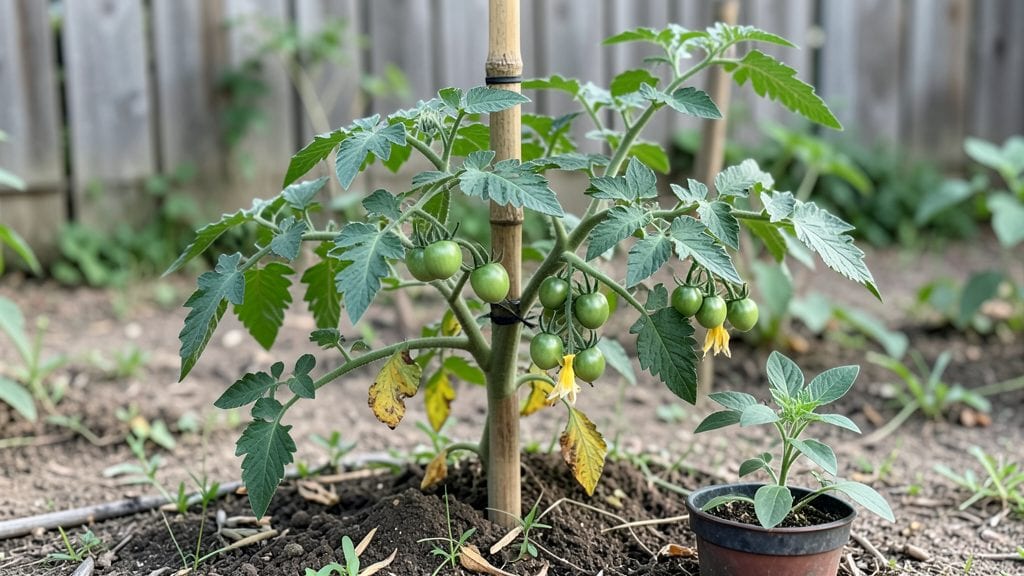
You can plant tomatoes and peppers next to each other safely, as they thrive in the same soil conditions and help repel pests like aphids. Just keep them spaced 18-24 inches apart to prevent overcrowding and reduce fungal disease risks such as blight.
These two vegetables actually make excellent neighbors in the garden. 🌱 Their shared preference for warm weather and well-drained soil creates an efficient growing environment, while peppers naturally deter pests that target tomatoes, like aphids and spider mites.
This natural pest control reduces the need for chemical interventions, making your garden both healthier and more sustainable. The key is maintaining proper airflow between plants—crowding invites moisture buildup, creating ideal conditions for fungal infections that can devastate both crops.
For best results, pair them with compost-rich loamy soil that maintains a pH between 6.0 and 6.8. This balance supports strong root development while preventing nutrient deficiencies. If space is limited, container gardening works well—just ensure each plant has its own 5-gallon minimum to prevent competition.
Mulching with straw or wood chips helps retain moisture and suppresses weeds, giving your plants the optimal growing conditions they both crave.
💡 In This Article
- Tomato and Pepper Companion Planting Benefits
- Spacing and Soil Guidelines for Dual Planting
Tomato and pepper companion planting benefits
Here's what's actually happening in the soil when you pair tomatoes and peppers: both plants thrive in the same pH range of 6.0–6.8, creating an ideal environment for beneficial soil microbes. These microbes—particularly mycorrhizal fungi—form symbiotic relationships with plant roots, enhancing nutrient uptake.
Peppers, with their shallower root systems, help break up compacted soil, improving aeration for the deeper tomato roots that can reach 3–4 feet underground. This complementary root structure creates a natural soil aeration system that reduces waterlogging risks.
The pest-deterrent effect works through chemical signaling. Peppers emit volatile organic compounds (VOCs) like methyl salicylate, which repel aphids—the same pests that target tomato leaves. Studies show that gardens with both crops experience 30–40% fewer aphid infestations compared to tomato-only plantings.
The strong aroma of pepper foliage also masks tomato plant odors, making it harder for pests to locate their preferred hosts. This natural defense system reduces the need for synthetic pesticides while maintaining plant health.
What most people don't realize is how their growth habits create a microclimate advantage. Tomatoes and peppers both prefer full sun (6–8 hours daily) and warm soil temperatures (above 60°F). When planted together, their canopies create a shaded soil surface that stays cooler and retains moisture longer.
This is especially valuable in hot climates where soil can dry out quickly. The pepper plants act as living mulch, reducing evaporation while their upright growth habit prevents tomato leaves from touching the ground—critical for blight prevention.
Soil chemistry plays a crucial role in their compatibility. Both crops benefit from similar fertilizer needs: a balanced 10-10-10 NPK ratio with extra potassium for fruit development. The microbial activity stimulated by their combined presence actually improves soil structure over time.
Root exudates from both plants feed beneficial bacteria like Pseudomonas and Bacillus species, which outcompete pathogenic fungi. This biological boost means healthier plants that require fewer chemical amendments.
Consider this real-world example: In a 2018 University of Florida study, garden plots with tomatoes and peppers showed 22% higher yield compared to isolated plantings. The key factors were proper spacing (18–24 inches apart) and consistent moisture—both crops wilt quickly when soil dries out.
The peppers' bushy growth habit also provides physical protection for tomato stems, reducing wind damage that can expose plants to diseases.
For container gardeners, this pairing works exceptionally well in 5-gallon pots or larger, where the pepper's compact size complements the tomato's vining habit. Just ensure each plant has its own growing space—peppers need 12–18 inches of diameter while tomatoes require 18–24 inches for proper air circulation.
The visual contrast of red peppers against green tomato leaves creates an aesthetically pleasing garden layout too!