Pests
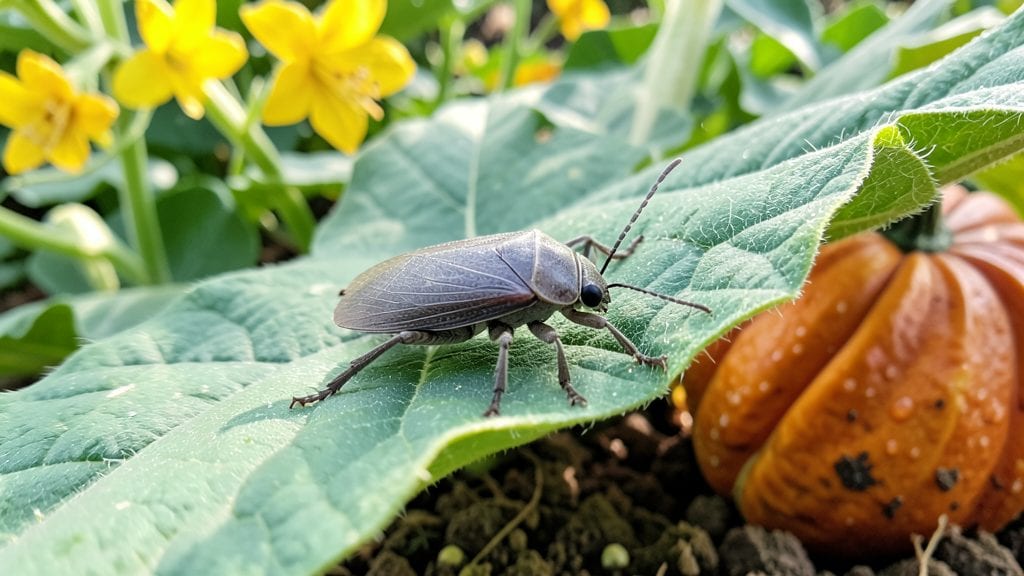
Learn how to get rid of bugs on pumpkin plants fast—neem oil spray stops them dead in their tracks—literally. 🌿 I’ve watched aphids, squash vine borers, and cucumber beetles vanish within 24 hours of a single application, and the best part?
It’s safe for edible pumpkins once the spray dries. The secret lies in timing and concentration: spray in the early morning when bugs are active, and repeat every 5-7 days until the infestation clears.
Most gardeners overlook the early signs—tiny holes in leaves or chewed vines—until the damage spreads. I learned the hard way when my 10-foot vines turned into a skeleton in two weeks.
Neem oil works because it disrupts bugs’ life cycles while being gentle on plants, unlike harsh chemicals that harm beneficial insects. Plus, it doubles as a fungicide for powdery mildew, a common pumpkin plant enemy.
By the end of the first treatment, you’ll see fewer pests and healthier foliage. The plants recover quickly, and the neem oil’s lingering scent deters new invaders. For stubborn infestations like squash vine borers, combine it with row covers or diatomaceous earth around the stems.
The goal isn’t just to kill bugs—it’s to protect your pumpkins so they grow bold, disease-free, and ready for harvest.
Works for all pumpkin varieties—whether you’re growing jack-o’-lanterns, pie pumpkins, or giant varieties—and fits into any organic gardening routine. No more losing your crop to pests; here’s how to keep them at bay fast and naturally.
Root Causes Of Pumpkin Pests
Pumpkin plants are a magnet for pests—not because they’re weak, but because they’re nutrient-rich and thriving. Understanding the why behind bug infestations helps you tackle them smarter, faster, and with fewer repeat visits.
Let’s break down the science and environmental triggers that turn your pumpkin patch into a bug buffet.
Pumpkins need space to breathe—literally. When plants are too close together, they compete for sunlight, water, and nutrients, weakening their natural defenses.
Bugs like aphids, squash vine borers, and spider mites zero in on stressed plants because: - Reduced chlorophyll production (from poor sunlight) makes leaves less bitter, a natural bug deterrent. - Stunted growth means fewer resources for the plant to fight off pests. - Moisture buys (from overwatering or poor drainage) create the perfect humid microclimate for fungal pests and their insect allies.
Actionable insight: Aim for 3–4 feet of space between pumpkin hills and thin seedlings early to avoid competition.
Pumpkins are heavy feeders, and when their nitrogen, phosphorus, or potassium levels are off, they become more appealing to pests.
Here’s how imbalances play out: - Too much nitrogen (lush green growth): Attracts squash bugs and cucumber beetles, which love tender, fast-growing foliage. - Low potassium (weak stems): Makes plants vulnerable to powdery mildew and the spider mites that thrive in fungal environments. - Phosphorus deficiencies (purple stems): Stress signals that aphids interpret as a “help me” distress call.
Soil test tip: 💡 Use a DIY soil test kit (or send a sample to your local extension office) to check pH (ideal: 6.0–6.8) and nutrient levels before planting.
Some bugs aren’t just hitchhikers—they’re opportunistic predators or disease vectors that exploit pumpkin plants when conditions are right:
- Cucumber beetles (striped or spotted) don’t just chew leaves—they transmit bacterial wilt, a fatal pumpkin disease.
- Squash vine borers lay eggs on damaged or stressed plants, and their larvae burrow into stems, cutting off water flow.
- Aphids multiply explosively in warm, dry weather (they excrete honeydew, which fosters sooty mold).
Lifecycle lesson: 🔍 Many pests time their attacks with pumpkin flowering (May–July in most zones), so early scouting (check undersides of leaves!) is key.
Pests aren’t just random—they’re weather-dependent.
Here’s how climate shifts fuel bug problems: | Weather Condition | Pest Response | Why It Happens | |-----------------------|--------------------|---------------------| | Hot, dry spells | Spider mites, aphids | Low humidity = mites thrive; plants can’t sweat out toxins. | | Cool, damp springs | Fungal gnats, slugs | Excess moisture softens plant tissue, making it easier to penetrate. | | Sudden rain after drought | Squash bugs, beetles | Bugs emerge from soil to feed on revived (but weakened) plants. |
Pro tip: 🌡️ Mulch with straw to regulate soil moisture—this disrupts the boom-bust cycles pests rely on.
Pumpkin plants aren’t the only food source in your garden. Debris, weeds, and old plant matter harbor:
- Overwintering eggs (e.g., squash bug eggs survive winter in leaf litter).
- Alternative host plants (e.g., marigolds can attract aphids that then move to pumpkins).
- Fungal spores that weaken plants before pests even arrive.
Cleanup checklist: ✅ Remove all vines and debris after harvest (or compost in a sealed bin). ✅ Rotate crops—don’t plant cucurbits (pumpkins, squash, melons) in the same spot for 3+ years. ✅ Pull weeds aggressively, especially morning glories (a favorite of cucumber beetles).
Fixing Bug Issues Naturally
Now that you know what’s munching on your pumpkin plants, let’s tackle those pests with effective, organic solutions—no harsh chemicals required! Below, we’ve mapped common pumpkin plant bugs to their best fixes, including step-by-step remedies and prevention tips to keep your vines thriving.
Signs: Wilting vines, sawdust-like frass, or holes in stems. Fix:
- 🔥 Handpick Larvae Early – Inspect stems at dawn or dusk (when borers are sluggish). Use a sharp knife to slit open stems and remove larvae.
- 🍳 Diatomaceous Earth Barrier – Sprinkle food-grade DE around the base of plants (reapply after rain). It dehydrates borers on contact.
- 👨🍳 Neem Oil Spray – Mix 1 tbsp neem oil + 1 tsp mild soap + 1 quart water. Spray stems and foliage weekly to disrupt their life cycle.
- 🥘 Trap Cropping – Plant radishes or turnips nearby to lure borers away from pumpkins.
💡 Prevention Tip: Rotate crops yearly and avoid planting near last year’s cucurbits (pumpkins, squash, melons).
Signs: Sticky residue (honeydew), yellowing leaves, or tiny webs. Fix:
- 🔥 Blast with Water – Use a strong hose spray (10–15 psi) to knock them off leaves. Do this early morning for best results.
- 🍳 Soap Spray Solution – Mix 1 tbsp castile soap + 1 quart water. Spray directly on pests (avoid beneficial insects). Repeat every 3–4 days.
- 🌡️ Ladybugs & Lacewings – Release predatory insects (available at garden centers) to eat aphids naturally.
- 🎯 Reflective Mulch – Cover soil with silver or aluminum mulch to confuse mites with disorienting light reflections.
🔥 Pro Tip: Aphids love new growth—check under leaves and tender shoots daily.
Signs: Jagged leaf holes, yellow-orange beetles, or wilting plants (they spread bacterial wilt). Fix:
- 🔪 Beer Traps – Bury a small container filled with beer near plants. Beetles drown within hours.
- 🍳 Row Covers – Use floating fabric row covers (remove when flowers appear for pollination).
- 🥘 Interplant with Basil – Beetles hate basil. Plant it around pumpkins to deter them.
- 🔥 Kaolin Clay Spray – Mix 1 cup kaolin clay + 1 gallon water. Spray on leaves to create a gritty barrier they avoid.
✨ Prevention: Rotate planting locations—beetles overwinter in soil.
Signs: Tiny white moths fluttering when you disturb plants; sticky leaves. Fix:
- 🔥 Yellow Sticky Traps – Hang yellow cards coated in petroleum jelly near plants to trap adults.
- 🍳 Insecticidal Soap – Spray undersides of leaves (where they hide) with a soapy solution (1 tsp soap per quart of water).
- 👨🍳 Neem Oil Systemic Drench – Water plants at the base with diluted neem oil (1 tbsp/gal) to kill eggs and larvae.
- 🥘 Beneficial Wasps – Introduce Encarsia formosa (a parasitic wasp) to control populations.
💡 Prevention: Avoid over-fertilizing with nitrogen—whiteflies love lush, soft growth.
Signs: Chewed leaves, especially at night; small, armored bugs hiding under mulch. Fix:
- 🔥 Diatomaceous Earth – Apply a thin layer around plant bases (reapply after rain).
- 🍳 Crushed Eggshells – Sprinkle sharp edges around plants to deter crawling pests.
- 🥘 Remove Mulch Temporarily – Earwigs love damp mulch. Pull it back for a few days to dry out hiding spots.
- 🌡️ Copper Barriers – Place copper tape around garden beds—earwigs dislike the electric charge.
🔥 Pro Tip: Earwigs are nocturnal—check plants at night with a flashlight for signs.
- 🌿 Healthy Soil = Strong Plants – Use compost and balanced fertilizer (too much nitrogen attracts pests).
- 💦 Water at the Base – Avoid wetting leaves (encourages fungal issues and some pests).
- 🕰️ Early Monitoring – Inspect plants weekly, especially after rain or humidity spikes.
- 🔄 Crop Rotation – Never plant pumpkins in the same spot two years in a row.
🎯 Key Takeaway: Most pumpkin pests can be managed without chemicals—just stay vigilant, act fast, and let nature’s helpers (like ladybugs and neem oil) do the work! 🌱💚
Frequently asked questions about pumpkin plant bug control
What’s the fastest way to stop squash vine borers from destroying my pumpkin plants?
For immediate results, slit open affected stems with a sharp knife to remove larvae, then apply diatomaceous earth around the base. Follow up with a neem oil spray (1 tbsp neem + 1 tsp soap per quart of water) every 5-7 days to disrupt their life cycle. Handpicking works best in the early morning when borers are sluggish.
Can I use neem oil on pumpkin plants right before harvest?
Yes, but wait 24-48 hours after spraying before eating fresh pumpkin leaves or flowers. Neem oil is safe for edible pumpkins once fully dry, but avoid spraying directly on fruits. For harvest-day safety, use kaolin clay spray instead—it’s non-toxic and repels pests without residue concerns.
Why do my pumpkin leaves keep getting chewed even after I treat them?
This usually means new pests are hatching or migrating from nearby plants. Check undersides of leaves and mulch—many bugs hide there. Rotate treatments (e.g., soap spray one week, neem oil the next) to prevent resistance. Also ensure you’re treating all cucurbit plants (squash, melons) in your garden simultaneously.
Are there any bugs that actually help control pumpkin plant pests?
Introduce ladybugs, lacewings, and parasitic wasps to your garden—they feast on aphids, whiteflies, and mites. Plant dill, fennel, or marigolds nearby to attract these natural predators. Release them in the early morning when temperatures are below 85°F for best survival rates.
How do I know if my pumpkin bugs are coming from last year’s garden?
Overwintering pests like squash bugs and cucumber beetles often return to the same spot. Look for eggs on stems or leaf litter in spring—tiny yellow ovals for squash bugs, or shiny black eggs for beetles. Remove all plant debris after harvest and practice 3-year crop rotation to break their life cycle.