
How To
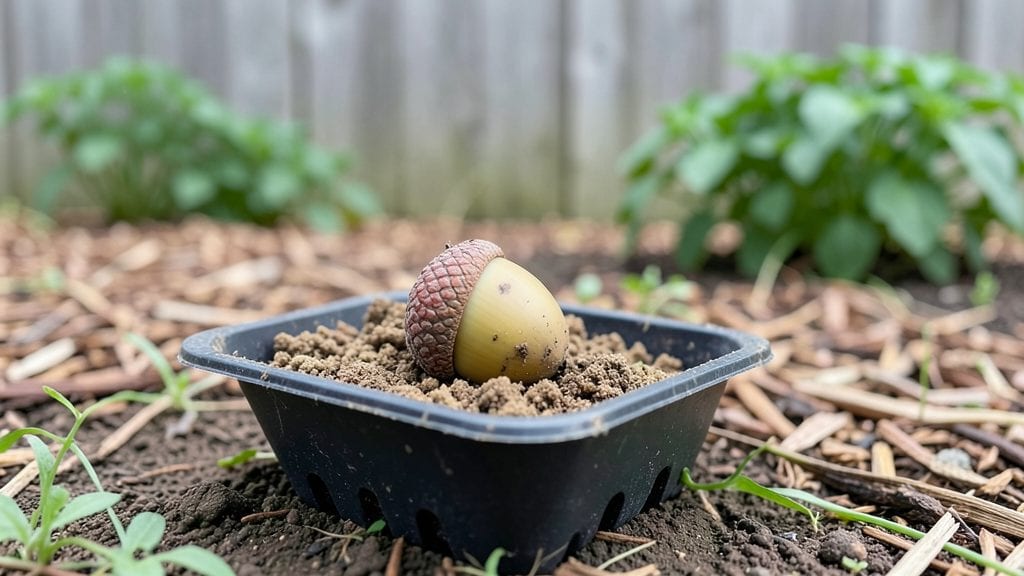
Planting an oak seed is how you start a 100-foot giant from a tiny acorn—if you know the right tricks.
Growing an oak tree from seed is a rewarding but patient process—one that requires precise stratification techniques to break dormancy and ensure successful germination. With the right steps, you can nurture a mighty oak from a tiny acorn in your backyard.
Most gardeners give up after three months of waiting for germination, but the secret lies in mimicking winter’s cold snap before planting. Skip this step, and your acorns might never sprout.
Below, I’ll walk you through the exact stratification methods, planting depth, and early care tips to give your oak seed the best shot at becoming a towering 🌳 in your landscape.


Stratification methods for oak seeds: cold treatment techniques for germination
Oak seeds, like acorns, require cold stratification to break their natural dormancy and trigger germination. Without this process, most seeds will remain dormant indefinitely. The key is mimicking nature's winter conditions by exposing seeds to moisture and cold for the right duration.
This method ensures higher germination rates and healthier seedlings down the line.
Cold stratification works by weakening the seed coat and activating internal enzymes that kickstart growth. For oak seeds, this typically means 60-90 days of cold treatment, depending on the species.
The process can be done indoors or outdoors, but precision in moisture levels and temperature is critical to avoid mold or premature sprouting.
Indoor stratification offers more control over conditions, making it ideal for gardeners in warmer climates. Outdoors, natural winter cycles handle the work, but timing must align with frost-free periods. Both methods require careful monitoring to ensure success. Let’s explore the specifics of each approach.
Here’s a detailed comparison of indoor vs. outdoor stratification to help you choose the best method for your oak seeds:
For indoor stratification, place acorns in a sealed container with moistened peat moss or sand. Store them in your refrigerator’s crisper drawer, where temperatures stay consistently cold.
Check moisture levels weekly—acorns should feel damp but not waterlogged. This method is perfect if you’re starting seeds in late summer or early fall.
Outdoor stratification is simpler but requires precise timing. Plant acorns in a well-drained garden bed or pot in late fall, just before the first frost. Cover them with 2-3 inches of soil and mulch to protect from freezing.
Nature handles the cold treatment, but you’ll need to wait until spring to see germination.
Regardless of the method, consistent moisture is non-negotiable. Overly dry conditions halt stratification, while excess moisture risks mold. Aim for 50-60% moisture retention in your medium. Use a spray bottle for indoor setups or rely on natural rainfall outdoors.
Timing is everything with oak seeds. Start stratification 60-90 days before your last expected frost date. For example, if your frost date is March 15, begin in January. This ensures seeds are ready to sprout when soil temperatures warm up, typically around 50-60°F (10-15°C).
Once stratified, oak seeds can take 2-6 months to germinate. Patience is key—don’t disturb them or move them to warmer conditions too soon. If you notice mold or foul odors, increase airflow or reduce moisture immediately. Healthy seeds will develop a small white root first, followed by a shoot.
Pro tip: Label your stratification containers with the start date and oak species (e.g., red oak, white oak). This helps track progress and adjust care as needed. With the right approach, you’ll unlock the potential of your acorns and watch tiny oaks emerge with promise.
Remember, oak seeds are slow to grow, but the journey is worth it. A well-stratified acorn can grow into a century-old giant—your future backyard shade tree starts with this single step.
Step-by-step guide to planting stratified oak seeds in soil
Now that your oak seeds have undergone successful cold stratification, it’s time to plant them in soil. This stage is critical for establishing strong roots before the young seedling emerges.
Choose a location with well-draining soil and full sun exposure—oaks thrive where they can stretch toward the sky from day one. Whether you’re using pots or a garden bed, the process is straightforward but requires attention to detail.
Before planting, ensure your stratified seeds are no longer damp or moldy. Gently rinse them if needed, then let them air-dry slightly. This prepares them for their new home in the soil. Oak seeds are delicate, so handle them with care to avoid damaging the embryo root.
The right soil mix and planting depth will give your young oak the best chance to grow into a mighty tree.
How to Plant Your Stratified Oak Seeds
-
Step 1: Prepare Your Planting Site
Choose a location with 6+ hours of sunlight daily. For pots, use a 6-inch deep container with drainage holes. For garden beds, loosen the soil to a depth of 12 inches to encourage root growth. -
Step 2: Mix the Soil
Combine 60% topsoil, 30% perlite or sand, and 10% compost for ideal drainage and nutrients. Oak seedlings dislike soggy roots, so avoid heavy clay soil unless amended properly. -
Step 3: Plant the Seeds
Place each stratified acorn with the pointed end down at a depth of 1 inch in pots or 2 inches in garden beds. Space seeds 6 inches apart to allow room for future growth. -
Step 4: Water Gently
Use a spray bottle or fine rose nozzle to moisten the soil without displacing seeds. Keep the soil consistently moist but not waterlogged. Overwatering can cause rot before germination. -
Step 5: Cover and Protect
Lightly cover planted seeds with a thin layer of mulch (1/4 inch) to retain moisture. Place pots in a shady, humid spot until germination (typically 4-12 weeks), or leave garden beds undisturbed. -
Step 6: Monitor and Wait
Check soil moisture weekly—top-dress with water if the surface feels dry. Avoid moving or disturbing seeds until you see sprouts breaking through. Patience is key; oak germination can take months.
Once your oak seedlings emerge, they’ll need consistent care to develop a strong root system. Transplant them to larger pots or their permanent garden spot after they’ve grown 3-4 inches tall and have 2-3 sets of leaves.
This usually happens in their first growing season. Remember, oaks grow slowly—your tree might only reach 25 feet tall in its first decade, but with proper care, it’ll reward you with shade and beauty for centuries.
After planting, place a mulch ring around each seedling to protect the soil and retain moisture. Avoid fertilizing for the first 6 months, as young oaks are sensitive to excess nutrients.
Instead, focus on watering deeply once a week and providing full sun exposure. With time, your tiny acorn will become a towering oak—just like the ancient giants in forests worldwide.
🌱