
Planting
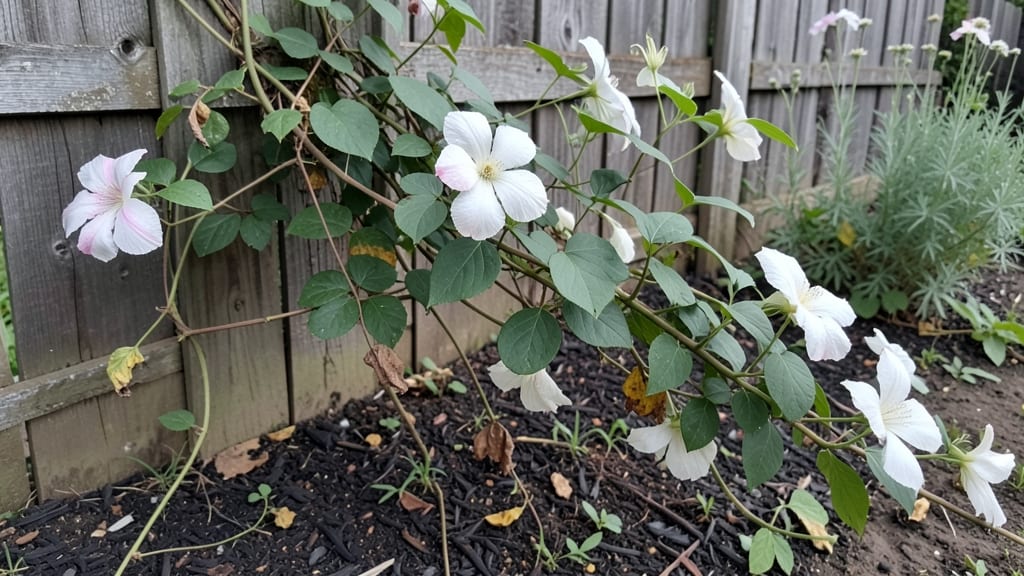
The Josephine clematis plant brings vibrant purple-blue blooms that transform any vertical space into a living masterpiece. 🌿 I fell in love with this variety after seeing how it thrived against my trellis—its large, nodding flowers and glossy foliage make it stand out in any garden.
Unlike other clematis types, Josephine blooms twice a year, giving you showstopping color from early summer through fall, with occasional winter interest if the weather cooperates.
This beauty isn’t fussy, but it does demand well-draining soil and at least 6 hours of sunlight daily—though it handles partial shade better than most clematis. The key to its success lies in seasonal pruning, which keeps it vigorous and flowering prolifically.
I’ve learned that most gardeners either prune too much or too little, both of which can stunt its growth or reduce blooms. The right approach means you’ll enjoy 6-foot vines covered in flowers for years to come.
Once established, Josephine clematis becomes drought-tolerant, though consistent moisture in the first year ensures strong roots. Its fragrant blooms attract pollinators, and its disease resistance means fewer headaches than many other varieties.
With the right care, you’ll have a plant that becomes the centerpiece of your garden, year after year.
Whether you’re a beginner or a seasoned gardener, this guide will help you avoid common pitfalls—like over-pruning or planting too deep—and ensure your Josephine clematis thrives. Let’s get those vines climbing and blooming beautifully!
📚 In This Guide
- What you need
- Instructions
- Tips and common mistakes
- Wrapping up and next steps
What you need
- ● Josephine clematis plant: 1 healthy nursery-grown vine (bare-root or potted, 1–2 years old). Look for sturdy stems and vibrant buds!
- ● Well-draining soil: Mix 2 parts garden soil + 1 part compost + 1 part perlite/sand (for aeration). pH: 6.5–7.5 (slightly acidic to neutral).
- ● Support structure: Trellis, arbor, or fence: 6–10 ft tall (Josephine clematis climbs aggressively! Use 1–1.5" diameter wooden or metal lattice for durability).
- ● Ties/clips: Soft plant ties or plastic-coated wire (avoid metal—it can damage stems).
- ● Mulch: 2–3 inches of organic mulch (e.g., shredded bark or straw) to retain moisture and regulate soil temp.
- ● Fertilizer: Balanced granular fertilizer: 10-10-10 (apply 2 tbsp per plant in early spring).
- ○ Slow-release bloom booster: Optional for heavy flowering (e.g., 5-10-10 formula).
- ● Drip irrigation system: For consistent moisture (Josephine clematis loves 1–1.5 inches of water weekly).
- ● Pruning shears: Sharp, bypass pruners (clean with rubbing alcohol between cuts to prevent disease).
- ● Epsom salt: 1 tbsp dissolved in 1 gallon of water (monthly foliar spray for magnesium boost).
- ● Frost cloth: Lightweight 30g/m² fabric for young plants in cold climates (Zone 4+).
- ● Plant markers: To label varieties (if mixing with other clematis!).
Step-by-step instructions for cultivating a thriving Josephine clematis vine
Here's how to coax this showstopper into lush, repeat-blooming glory year after year.
🌱 Step 1: Select and Prepare the Perfect Planting Site
Josephine clematis thrives in partial shade—think 4-6 hours of morning sun followed by afternoon shade protection. I always plant mine against a north-facing wall or under deciduous trees that provide summer shade. The roots need cool soil (ideal temperature: 60-70°F), so avoid hot, exposed spots.
Dig a hole twice as wide as the root ball but only as deep as the container's root zone. This prevents the crown from being buried too deeply, which causes rot. Mix the excavated soil with 1 part compost to improve drainage and fertility. The vine's deep roots appreciate this loose, airy mix.
💧 Step 2: Plant and Establish With Proper Watering
Place the clematis in the hole so the top of the root ball sits 1-2 inches below soil level—this keeps the crown covered while allowing stems to emerge cleanly. Backfill with your amended soil, pressing gently to eliminate air pockets. Water deeply immediately after planting to settle the roots.
Keep the soil consistently moist (not soggy) for the first 4-6 weeks—this is critical for root establishment. I water at the base, avoiding the foliage to prevent fungal issues. Mulch with 2-3 inches of organic mulch (like shredded bark) to retain moisture and regulate soil temperature. Watch for new growth in 3-4 weeks—that's your signal the roots are settling in.
☀️ Step 3: Support and Train for Optimal Growth
Install a 5-6 foot trellis or arbor at planting time—clematis vines grow 8-10 feet annually and need sturdy support. I use a heavy-duty metal trellis buried 12 inches deep for stability. Gently weave the main stems through the structure as they emerge, securing with soft plant ties every 12 inches.
Prune only dead or crossing stems in the first year—let the vine establish its framework. You'll see new shoots emerging from the base and along the stems by mid-summer. These are your future blooms, so avoid aggressive pruning until the vine matures. Train the vine to climb counterclockwise (the natural growth habit) for even coverage.
✂️ Step 4: Master Seasonal Pruning for Repeat Blooms
Josephine clematis is a group 3 variety, meaning it blooms on both old and new wood. Prune immediately after flowering (late summer) to encourage next year's blooms. Cut back spent flower stems to the first healthy set of leaves below the bloom. Avoid heavy pruning in fall—just remove any dead or diseased wood.
In early spring, before new growth appears, give the vine a light haircut: trim back all stems by one-third to open the center and improve airflow. This prevents fungal diseases and encourages bushier growth. I always sterilize my pruners with rubbing alcohol between cuts to avoid spreading pathogens. Watch for new shoots in 2-3 weeks—that's your cue the pruning worked.
🌿 Step 5: Feed and Maintain for Year-Round Health
Feed with a balanced, slow-release fertilizer (10-10-10) in early spring as new growth begins. I apply ½ cup per vine, working it into the top 2 inches of soil. Avoid high-nitrogen fertilizers—they promote leafy growth at the expense of flowers. Instead, focus on phosphorus and potassium to support blooming.
Monitor for clematis wilt (a fungal disease) by checking for yellowing leaves or wilting stems in hot weather. If you spot it, prune infected stems 6 inches below the damage and treat with a copper fungicide. Deadhead spent blooms regularly to redirect energy to new flowers. With proper care, your Josephine clematis will reward you with prolonged blooms from early summer to fall.
Tips & tricks for perfect Josephine clematis cultivation
These essential strategies will help you avoid common pitfalls and maximize your vine's potential for stunning, repeat blooms.
Location is Everything: The 4-6 hours of morning sun followed by afternoon shade is non-negotiable for Josephine clematis. I learned this the hard way—after planting one in full afternoon sun, it struggled with leaf scorch and produced half the blooms. If your yard only offers full sun, consider planting near a north-facing wall or under deciduous trees that provide natural shade during peak heat hours. The ideal soil temperature of 60-70°F is crucial—this vine won't tolerate hot, exposed spots where roots can overheat.
Root Zone Precision: When planting, that 1-2 inch depth for the root ball crown is critical—any deeper and you risk rot, any shallower and stems may struggle to emerge. I always use a level tool to verify depth before backfilling. The twice-as-wide hole creates the perfect environment for those deep roots to establish without competition. Don't skip the compost mix—those deep roots need loose, fertile soil to thrive.
Watering Wisdom: The first 4-6 weeks are make-or-break for root establishment. I set a timer for deep watering every 2-3 days rather than relying on memory—consistent moisture prevents stress that can lead to poor blooming later. The 2-3 inches of organic mulch acts like an insulator, helping maintain that crucial 60-70°F soil temperature while locking in moisture. Watch for those new shoots in 3-4 weeks—they're your first sign the roots are settling in properly.
Pruning Strategy: That one-third spring trim might seem drastic, but it's what transforms a leggy vine into a bushy, blooming powerhouse. I always sterilize my pruners between cuts—this simple step prevents spreading pathogens that can devastate your plant. The late summer cleanup of spent blooms redirects energy to next year's flowers, extending your blooming season from early summer to fall. Remember, this is a group 3 variety—never prune back old wood where this year's blooms are forming!
Pro Tips for Josephine Clematis Plant
- These essential strategies will help you avoid common pitfalls and maximize your vine's potential for stunning, repeat blooms.
- Location is Everything: The 4-6 hours of morning sun followed by afternoon shade is non-negotiable for Josephine clematis.
- Root Zone Precision: When planting, that 1-2 inch depth for the root ball crown is critical—any deeper and you risk rot, any shallower and stems may struggle to emerge.
Frequently asked questions
about the stunning Josephine clematis plant—because even the most beautiful vines need a little extra care! Here are answers to the questions gardeners ask most often.When is the best time to plant Josephine clematis?
The ideal window is early spring or early fall—when soil is cool but not frozen. This gives roots time to establish before summer heat or winter cold sets in. Avoid planting in mid-summer, as extreme heat can stress young plants.
How much sunlight does Josephine clematis need?
This variety thrives in full sun (6+ hours daily), but in hot climates, partial shade (morning sun + afternoon shade) prevents leaf scorch. Plant near a trellis or fence to maximize vertical growth while keeping roots cool.
Should I prune Josephine clematis? If so, when?
Yes! Prune in late winter or early spring (before new growth starts) to remove dead wood and shape the plant. Never prune after June—this cuts off blooms for the season. For heavy pruners, leave 2–3 feet of stems to encourage lush regrowth.
What pests or diseases should I watch for?
Common issues include clematis wilt (fungus), aphids, and slugs. Improve airflow, avoid overhead watering, and use neem oil or insecticidal soap for pests. Resist overwatering—soggy soil invites root rot.
Can I grow Josephine clematis in containers?
Choose a large pot (15+ gallons) with drainage holes and a well-draining potting mix. Move containers to partial shade in summer and ensure roots stay cool. Dwarf varieties (like 'Jackmanii') adapt better than large climbers.
Wrapping up and next steps
Growing a Josephine clematis plant is a rewarding journey that brings vibrant blooms and lush foliage to your garden year after year! With the right location, support, and seasonal pruning, this beauty thrives effortlessly—even for beginners. 🌸
Ready to transform your outdoor space? Start by planting your clematis in well-draining soil, then follow the pruning schedule tailored to its needs.
Before you know it, your garden will be bursting with color, and you’ll be the envy of the neighborhood! Check out our pruning calendar to keep your clematis flourishing all season long.