
Companion Plants
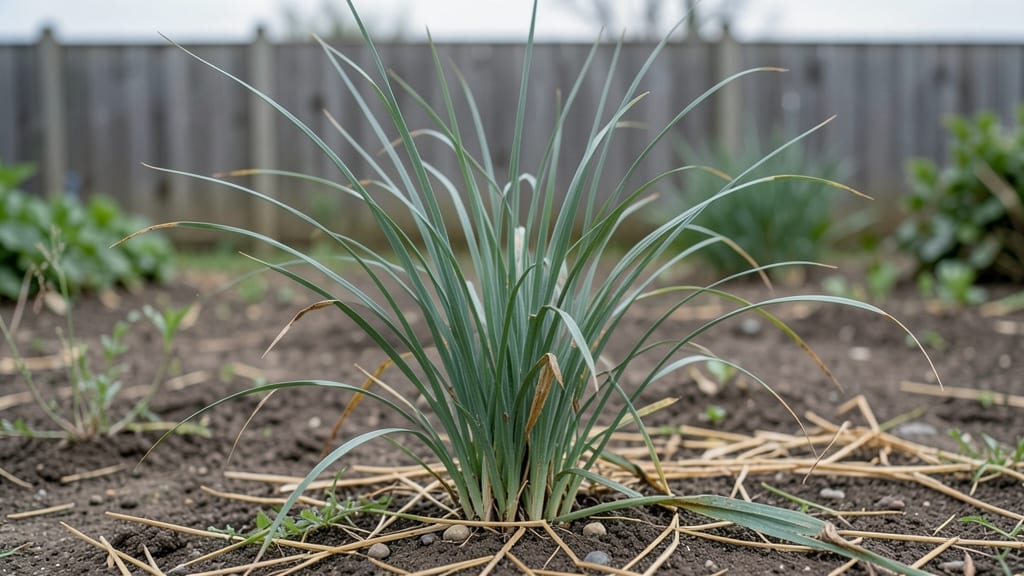
Growing large citronella plants means turning your garden into a natural mosquito-free zone. 🌿 I’ve watched these towering beauties go from spindly seedlings to 6-foot mosquito-repelling powerhouses, and the transformation is worth the effort.
The key isn’t just sticking a plant in the ground—it’s giving it the right conditions to thrive, from sunlight to soil, so it grows big and strong enough to keep those pests away all season.
The secret to their size starts with full sun (at least 6-8 hours daily) and well-draining soil—think sandy loam mixed with compost. Water deeply but let the top inch dry between sessions, and feed them every 4-6 weeks with a balanced fertilizer.
Prune back leggy growth in spring to encourage bushier, more robust plants that pack extra mosquito-fighting power.
By summer, you’ll have lush, fragrant plants that fill the air with that classic citronella scent. The larger they grow, the more effective they become—imagine a 6-foot hedge around your patio, humming with bees and buzzing free of mosquitoes.
With the right care, these plants will reward you with years of natural pest control and stunning foliage.
Works best in warm climates (zones 9-11), but container growing lets you enjoy them almost anywhere. Here’s how to keep them thriving through every season—no bugs, no regrets.
📚 In This Guide
- What you need
- Instructions
- Tips and common mistakes
- Wrapping up and next steps
What you need
- ● Citronella seeds or seedlings: Choose Cymbopogon nardus or Cymbopogon winterianus (Java citronella). Buy 3-5 seeds or 2-3 healthy seedlings from a nursery.
- ● Well-draining potting mix or garden soil: A blend of 60% topsoil, 30% compost, and 10% perlite or sand (for pots). Use 10-15 gallons per plant.
- ● Containers or garden space: For pots: 5-gallon containers (minimum 12" deep) with drainage holes—1-2 per plant.
- ● For garden beds: Full sun (6+ hours/day) and space 2-3 feet apart.
- ○ Slow-release fertilizer (optional but helpful): A balanced 10-10-10 NPK or organic option like composted manure. Use 1 tbsp per plant at planting.
- ● Watering can or hose with a gentle spray nozzle: Citronella hates soggy roots—aim for 1-2 inches of water per week.
- ● Pruning shears or scissors: For trimming leggy stems (sterilize with rubbing alcohol!).
- ● Mulch (straw or wood chips): 2-3 inches to retain moisture and suppress weeds.
- ○ Support stakes (optional): Tall plants may need bamboo stakes or trellises in windy areas.
- ○ pH test kit (optional): Ideal soil pH: 6.0-7.0. Adjust with lime (to raise) or sulfur (to lower).
- ● Mosquito-repelling companion plants (bonus!): Basil, lavender, or marigolds to amplify your garden’s pest-fighting power. 🚫🦟
Step-by-Step instructions for growing large citronella plants
Here's how I grow vigorous citronella plants that keep mosquitoes at bay all season long.
🌱 Step 1: Choose the Right Citronella Variety and Planting Location
Start with citronella grass seeds or young plants from a nursery. I prefer the Cymbopogon nardus variety for its strong mosquito-repelling oils. Plant in full sun—at least 6-8 hours daily—where the soil drains well, like near a patio or garden border.
Citronella thrives in warm climates but can handle brief cool snaps. If your zone drops below 50°F, grow it in containers you can move indoors or under cover. The key is warmth—citronella wilts when shocked by cold.
🪴 Step 2: Prepare the Soil and Plant Your Citronella
Use loamy, well-draining soil mixed with a little sand or perlite to prevent root rot. Amend heavy clay soil with compost to improve aeration. Dig a hole twice as wide as the root ball but only as deep—planting too deep suffocates the roots.
Space plants 18-24 inches apart to give them room to spread. If using seeds, plant them ¼ inch deep and cover lightly. Water immediately after planting to settle the soil around the roots. Overcrowding leads to weak, leggy growth that attracts pests.
☀️ Step 3: Water and Fertilize for Strong Growth
Keep the soil evenly moist but not soggy—citronella hates waterlogged roots. Water deeply 2-3 times per week until the top 2 inches feel dry. In extreme heat, you may need daily watering, but let the top layer dry slightly between sessions.
Fertilize lightly with a balanced 10-10-10 fertilizer every 6-8 weeks during the growing season. Too much nitrogen makes plants lush but weakens their mosquito-repelling oils. I avoid heavy feeding—citronella’s natural oils are its superpower.
✂️ Step 4: Prune and Maintain for Maximum Mosquito Protection
Trim back leggy stems to encourage bushier growth. Cut back one-third of the plant height in early spring to stimulate new shoots. Remove any yellow or brown leaves immediately—they signal stress and attract pests.
Harvest leaves as needed by snipping just above a leaf node. This keeps the plant compact and boosts oil production. The more you harvest, the stronger the citronella scent becomes. I like to bundle fresh clippings and hang them near seating areas for extra protection.
🌿 Step 5: Overwinter or Protect for Next Season
If you're in a cooler climate, dig up potted citronella before the first frost and move it indoors near a sunny window. Reduce watering but keep the soil slightly moist. In warmer zones, mulch heavily with 2-3 inches of straw to protect roots from winter chill.
Citronella is a perennial in warm climates but often treated as an annual in colder areas. Even if it dies back, new plants can be started from seed or cuttings the following spring. The more you grow it, the stronger your mosquito defense becomes!
Tips & tricks for growing vigorous citronella plants
Want to grow citronella plants that actually work against mosquitoes? These key tips will help you avoid common pitfalls and maximize your mosquito-repelling powerhouse.
Sunlight is Non-Negotiable: The 6-8 hours of full sun in Step 1 isn't just a suggestion—it's essential. Citronella plants need intense sunlight to develop their mosquito-repelling oils. If your garden doesn't get this much sun, consider using grow lights for 12-14 hours daily. I've seen plants in partial shade grow tall but weak with minimal scent—definitely not worth the effort.
Soil Mix Matters More Than You Think: That loamy, well-draining soil mix in Step 2 is your secret weapon. If you have heavy clay soil, don't just add compost—mix in at least 30% perlite or coarse sand to create proper drainage. I've had citronella plants drown in compacted soil before, and it's heartbreaking to watch them struggle. The roots need oxygen just as much as water!
Watering Wisdom for Strong Plants: The 2-3 times per week watering in Step 3 is perfect, but timing is everything. Water in the morning so leaves have all day to dry, preventing fungal diseases. And here's what nobody tells you—citronella plants actually prefer a slight drought between waterings. Let that top 2 inches get truly dry before watering again. This encourages deeper root growth and stronger plants.
Pruning Strategy for Maximum Protection: When you're cutting back one-third of the plant height in Step 4, focus on removing the oldest stems first. These older stems produce less oil and can harbor pests. I like to do this pruning right after the first harvest—it's a two-for-one maintenance task. And pro tip: Save those pruned stems! Bundle them and hang them near seating areas for instant mosquito protection without planting more.
Pro Tips for Large Citronella Plants
- Want to grow citronella plants that actually work against mosquitoes?
- Sunlight is Non-Negotiable: The 6-8 hours of full sun in Step 1 isn't just a suggestion—it's essential.
- Soil Mix Matters More Than You Think: That loamy, well-draining soil mix in Step 2 is your secret weapon.
Frequently asked questions
How long does it take for citronella plants to grow large enough to repel mosquitoes?
Citronella plants typically reach their full mosquito-repelling potential in 3–6 months from transplanting, depending on growing conditions. With proper care—sunlight, water, and soil—they’ll grow tall (3–5 feet) and bushy, releasing strong citronella oil. Patience pays off for maximum effectiveness!
How often should I water large citronella plants?
Water citronella plants deeply 1–2 times per week, ensuring the soil stays moist but not soggy. Overwatering can cause root rot, while underwatering stresses the plant. Mulch around the base to retain moisture, especially in hot climates. Adjust frequency based on rainfall—drought-tolerant once established!
Can citronella plants survive winter, or do I need to replant them every year?
Citronella is tender and not frost-hardy, so it won’t survive winter outdoors in most climates (USDA Zones 10–11). In colder regions, grow them in containers and bring them indoors before frost or replant annually. Alternatively, harvest seeds or cuttings to propagate new plants each spring!
Are there alternatives to citronella plants for mosquito control?
Yes! Pair citronella with other mosquito-repelling plants like lavender, basil, marigolds, or lemongrass for a layered defense. For non-plant options, consider essential oil diffusers, fan-powered traps, or mosquito-repellent candles. Combine methods for the best results—nature + tech wins!
Why are my citronella leaves turning yellow or brown?
Yellowing leaves often signal overwatering or poor drainage, while brown edges can mean underwatering or sunburn. Check soil moisture and adjust watering habits. Pests like aphids or spider mites can also cause stress—inspect leaves and treat with neem oil if needed. Ensure your plant gets 6+ hours of sunlight daily for optimal health.
Can I grow citronella from seed, or should I buy a starter plant?
Both work! Starter plants (from nurseries) grow faster and are ideal for beginners, while seeds take 6–8 weeks to germinate but offer variety. If starting from seed, plant in well-draining soil and keep it warm (70–80°F). For quicker results, opt for a nursery-grown plant—just ensure it’s healthy and pest-free before planting!
Wrapping up and next steps
Growing large citronella plants is a game-changer for keeping mosquitoes at bay while adding beauty and fragrance to your garden! 🌿 With the right care—sunlight, well-draining soil, and consistent watering—you’ll enjoy their towering presence and natural pest-repelling benefits in no time.
Whether you’re a seasoned gardener or just starting out, these hardy plants are a rewarding addition to any outdoor space.
Ready to take the next step? Start by planting your citronella seeds or seedlings this season and watch them thrive. For even better results, pair them with other mosquito-repelling companions like lavender or basil. Happy gardening—and stay bite-free! 🚫🦟