
Companion Plants
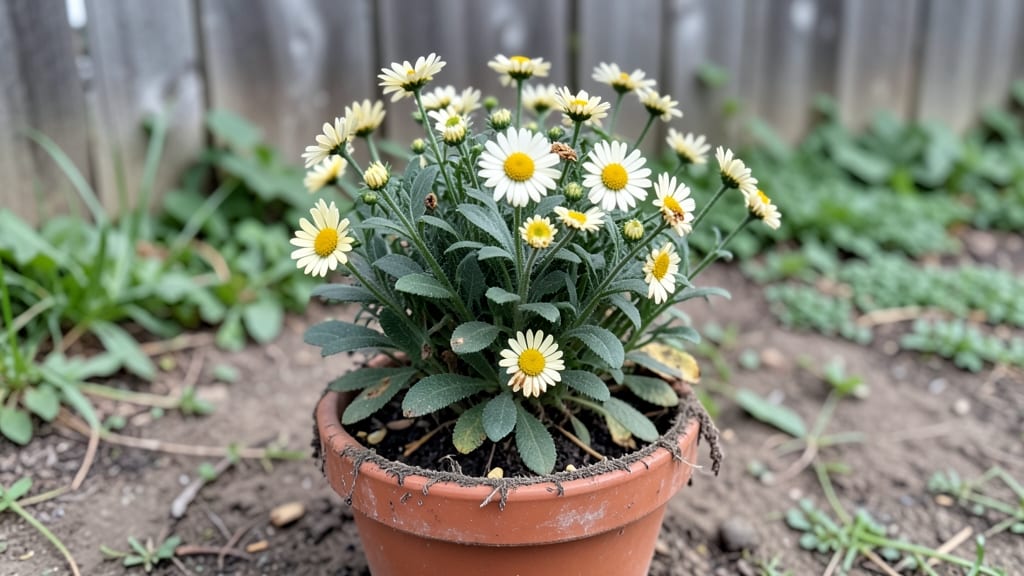
Growing marguerite daisies means waking up to cheerful purple-blue blooms that dance with bees all summer. 🌼 I planted my first batch last spring, and within weeks, the garden transformed from ordinary to buzzing with life. These daisies thrive where others fail—drought, heat, even poor soil can’t stop them.
The secret lies in their care-free nature: they love full sun but tolerate partial shade, and their roots need just enough water to keep them happy—not soggy. Annual varieties give you instant color, while perennials return year after year with minimal effort.
I’ve seen them bloom from June until frost, even in my hot, dry climate.
You’ll end up with a garden that hums with pollinators while requiring almost no maintenance. The blooms stay fresh for days, and the foliage stays tidy without constant pruning. Once established, they spread gently, filling gaps where other plants struggle. Here’s how to get started without the guesswork.
Whether you’re filling a sunny border or brightening a container, marguerite daisies deliver effortless beauty. They even handle light frost, making them one of the most resilient perennials for any garden. Let’s make your space bloom with confidence.
📚 In This Guide
- What you need
- Instructions
- Tips and common mistakes
- Wrapping up and next steps
What you need
- ● Marguerite Daisy Seeds or Plants: Choose Argyranthemum frutescens (French marguerite) or Chrysanthemum leucanthemum (English daisy) seeds or nursery-grown plants (6–12 plants for a vibrant border).
- ● Well-Draining Soil: 5–10 bags of garden loam mixed with compost (1 part compost to 3 parts soil).
- ● Sunlight Spot: A location with 6+ hours of full sun daily (partial shade works for hot climates).
- ● Watering Can or Hose: With a gentle spray nozzle to avoid disturbing roots.
- ● Fertilizer: Balanced 10-10-10 or slow-release granular fertilizer (1 lb per 100 sq ft).
- ● Garden Trowel: For transplanting seedlings or dividing clumps.
- ● Pruning Shears: Sharp, bypass-style for deadheading and shaping.
- ○ Gloves: Nitrile-coated to protect hands from thorns (optional but handy!).
- ● Mulch: Straw or shredded bark (2–3 inches) to retain moisture.
- ● Pollinator-Friendly Additions: Plant bee balm or lavender nearby for extra buzz-worthy blooms!
- ● Support Stakes: If stems flop (uncommon but possible in windy areas).
- ● Drip Irrigation Kit: For low-maintenance watering during dry spells.
Step-by-step guide to planting and caring for marguerite daisy plants
Here’s how to grow these cheerful pollinator magnets with minimal fuss—just follow these simple steps.
🌱 Step 1: Choose the Right Location and Prepare the Soil
Marguerite daisies thrive in full sun—that means at least 6-8 hours of direct sunlight daily. Pick a spot where they’ll get morning sun and afternoon shade if your summers are scorching. I always test the soil first by squeezing a handful—if it feels tight and compact, mix in 2-3 inches of compost from your materials list to loosen it up.
These daisies prefer well-draining soil with a pH between 6.0 and 7.0. If your soil is heavy clay, work in 1-2 inches of perlite or coarse sand to improve drainage. Dig a hole about twice as wide as the root ball but no deeper—planting too deep can suffocate the roots. Loosen the edges of the hole with a fork to encourage root spread.
🪴 Step 2: Plant Your Marguerite Daisies Correctly
Gently remove the plant from its container and tease the roots apart if they’re circling. Place it in the hole so the top of the root ball sits just below soil level—never bury the crown too deep. Marguerite daisies produce multiple stems, so space them 18-24 inches apart in rows 24 inches apart for best airflow and bloom display.
Fill the hole with soil, pressing lightly around the base to remove air pockets. Water deeply right after planting to settle the soil and encourage root contact. You’ll know it’s right when water drains freely from the bottom of the hole—no soggy spots allowed. Mulch with 1-2 inches of shredded bark (from your materials) to retain moisture and suppress weeds.
☀️ Step 3: Water and Feed for Continuous Blooms
Marguerite daisies are drought-tolerant once established, but young plants need consistent moisture. Water 1-2 times per week, giving them 1 inch of water each time. Check the soil by sticking your finger 1 inch down—if it’s dry, it’s time to water. Overwatering is the biggest mistake here; soggy soil leads to root rot.
Feed your daisies with a balanced, slow-release fertilizer (like the 10-10-10 from your list) every 4-6 weeks during the growing season. Stop fertilizing in late summer to encourage fall blooms. You’ll see the difference in vibrant purple-blue blooms and fewer leggy stems when the nutrients are just right.
✂️ Step 4: Prune and Deadhead for Long-Lasting Flowers
Deadheading—removing spent blooms—is the secret to nonstop flowers. Snip off faded blooms with clean hand pruners just above the next set of leaves. I do this every 2-3 days during peak bloom season to keep the plants looking fresh and encourage new buds.
In early spring, cut back the previous year’s growth by one-third to promote bushier, fuller plants. Avoid heavy pruning in fall unless your climate gets harsh winters—marguerite daisies are tender perennials in cold zones and may need winter protection. You’ll notice new growth within 2-3 weeks of pruning, signaling the plant is ready for another season of blooms.
🐝 Step 5: Protect and Enjoy Your Pollinator Magnet
Marguerite daisies attract butterflies, bees, and beneficial insects like crazy—just what your garden needs. To keep pests at bay, I spray the foliage with neem oil (from your materials) every 2-3 weeks as a preventative. Watch for aphids or spider mites, which love stressed plants. A strong spray of water usually knocks them off, but neem oil handles stubborn infestations.
By late fall, cut back the stems to 4-6 inches tall and mulch heavily to protect the roots. In warmer climates, they’ll often regrow in spring. You’ll have a year-round pollinator haven with minimal effort—just repeat the care steps each season, and these daisies will reward you with bold blooms for years.
Tips & tricks for perfect marguerite daisy plant care
These simple but game-changing tips will help you grow vibrant marguerite daisies that bloom all season long.
Sunlight Strategy: While your daisies need that full sun, I've found that morning sun with afternoon shade in hot climates actually prevents wilting. If your summers are scorching, consider planting near a patio or deck where they get morning rays but afternoon relief. The 6-8 hours of sun is non-negotiable, but timing matters too—especially in Zone 8+ where afternoon heat can stress tender foliage.
Soil Prep Secret: Don't just test the pH—feel the texture! I always mix in an extra inch of compost beyond what's specified, especially in sandy soils. The roots need that organic matter to establish quickly. For heavy clay soils, I blend in 1-2 inches of perlite AND compost (double the amount) to create that perfect loose, crumbly texture. Think "fluffy cake batter" consistency—not compacted dirt.
Planting Depth Cue: The instructions mention placing the root ball just below soil level, but here's what that looks like in practice: The topmost layer of roots should be covered with about 1/4 inch of soil. You'll know it's right when you can see the base of the stems emerging above the soil line. This prevents crown rot while keeping the stems sturdy for those tall blooms.
Watering Watch: That 1-2 times per week guideline works for established plants, but new transplants need daily watering for the first week—just 1/2 inch at a time. I set a timer on my hose for 30 seconds to ensure consistency. The key is keeping the soil evenly moist but never soggy. You'll notice the leaves perk up noticeably within 24 hours of proper watering.
Pro Tips for Marguerite Daisy Plants
- These simple but game-changing tips will help you grow vibrant marguerite daisies that bloom all season long.
- Sunlight Strategy: While your daisies need that full sun, I've found that morning sun with afternoon shade in hot climates actually prevents wilting.
- Soil Prep Secret: Don't just test the pH—feel the texture!
Frequently asked questions
Got questions about growing marguerite daisy plants? You’re not alone! Here are some of the most common queries—plus quick, practical answers to keep your blooms thriving all season.
How do I keep my marguerite daisies blooming all season?
For continuous blooms, deadhead spent flowers regularly () and fertilize lightly every 4–6 weeks with a balanced, water-soluble fertilizer. Prune leggy stems to encourage bushier growth. Pro tip: Mulch around the base to retain moisture and deter weeds—this keeps roots happy and blooms coming!
When is the best time to plant marguerite daisies?
Plant in early spring (after the last frost) or late summer (6–8 weeks before the first frost). They thrive in warm weather but need time to establish roots before winter. For container gardening, you can start seeds indoors 8–10 weeks before the last frost date.
Are marguerite daisies good for attracting pollinators?
These daisies are a pollinator magnet, drawing bees, butterflies, and beneficial insects like hoverflies. Their flat, daisy-like blooms provide easy access to nectar and pollen. Plant them near herbs or veggies to create a pollinator-friendly ecosystem in your garden.
What if my marguerite daisies get yellow leaves?
Yellow leaves often signal overwatering or nutrient deficiency. Check soil moisture—daisies prefer well-draining soil and hate soggy roots. If leaves are yellow and wilting, reduce watering. For nutrient issues, feed with a low-nitrogen fertilizer (like 5-10-10) to boost blooms over foliage.
Can I grow marguerite daisies in containers?
Yes! Choose 5–7 gallon containers with drainage holes and use a lightweight potting mix. Plant 1–2 daisies per container (they spread 12–18 inches wide). Place in full sun and water consistently—containers dry out faster than garden beds. Pro tip: Add a time-release fertilizer at planting for easy care!
Wrapping up and next steps
Marguerite daisy plants bring vibrant color, pollinator magic, and effortless charm to any garden—whether you're a seasoned gardener or just starting out! 🌸 Their hardy nature, drought tolerance, and ability to thrive in containers or beds make them a must-have for low-maintenance beauty.
With the right care, these cheerful blooms will reward you with season-long interest and a buzzing ecosystem of bees and butterflies.
Ready to transform your space? Start by grabbing seeds or young plants, picking the perfect spot, and following the simple steps above. Plant one today—your garden (and pollinators!) will thank you. 🌿✨