
Light Requirements
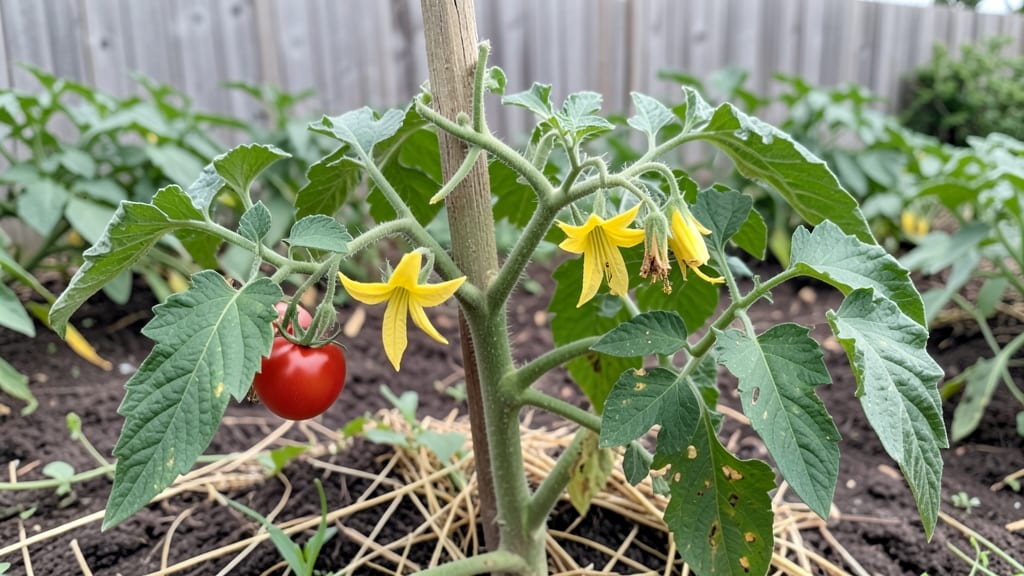
Direct sunlight is the single most critical factor for growing juicy, flavorful tomatoes—without it, your plants will struggle to produce fruit at all.
Picture this: you’ve planted your 🍅 tomato seedlings after the last frost, watered them faithfully, and even added fertilizer. But by summer, your vines are tall and leggy, with tiny, bitter tomatoes—or worse, no fruit at all.
The culprit? Not enough direct sunlight. Tomato plants need 6+ hours of unfiltered sun daily to thrive, and without it, they simply won’t set fruit.
But here’s the good news: with the right setup—whether you’re growing in raised beds, containers, or open soil—you can maximize sunlight exposure and turn those lanky stems into productive plants.
I’ll show you how to spot sunlight deficiencies, choose the best varieties for your light conditions, and even work around partial shade if needed.
Ready to unlock the secret to a bountiful tomato harvest? Let’s dive into the sunlight strategies that will transform your garden this season.

How many hours of direct sunlight do tomato plants really need?
Tomatoes are sun-worshippers, and their fruit production depends entirely on 6+ hours of direct sunlight daily. Without enough light, your plants will stretch toward the sky, produce fewer flowers, and yield tomatoes that lack flavor and sweetness.
The minimum for survival is 4-6 hours, but this will only give you small, underdeveloped fruit. For a bountiful harvest, aim for the ideal range of 8-10 hours of unfiltered sunlight.
Direct sunlight is non-negotiable because tomatoes rely on photosynthesis to convert light into energy for growth and fruiting. Without sufficient light, plants allocate energy to leafy growth instead of fruit development, leading to leggy, weak stems and poor yields.
Even partial shade can reduce your harvest by up to 50%, so understanding your garden’s sunlight patterns is critical.
🌱
| Tomato Type | Direct Sunlight Needs | Seasonal Adjustments | Yield Impact |
|---|---|---|---|
| Cherry Tomatoes | 6-8 hours (minimum) | Tolerates partial shade in summer; needs full sun in winter | Moderate yield reduction with <4 hours |
| Beefsteak/Heirloom | 8-10 hours (ideal) | Requires full sun year-round; struggles in shade | Severe yield drop with <6 hours |
| Dwarf/Container | 6-7 hours (minimum) | Needs reflective surfaces (white walls) to maximize light | Smaller fruit size with <5 hours |
| All Tomatoes | 10+ hours (peak production) | Morning sun is most critical; afternoon shade helps in hot climates | Optimal flavor, size, and quantity |
Measuring sunlight accurately is easier than you think. Use a sunlight tracker or observe your garden from 6 AM to 6 PM on a clear day. Mark the areas that receive direct sunlight for 6+ hours—these are your prime tomato spots.
If your garden lacks full sun, consider reflective surfaces like white walls or mulch to bounce extra light onto your plants. Even a south-facing window can work for container tomatoes if they get 6 hours of direct light.
Seasonal adjustments are key. In summer, tomatoes thrive with 6-8 hours of morning sun and afternoon shade to prevent scorching. In spring and fall, they can handle full sun all day as temperatures are milder.
During overcast days, supplement with a grow light if you’re growing indoors or in heavily shaded areas. A LED grow light placed 6-12 inches above plants for 12-14 hours daily can mimic sunlight and boost production.
☀️
One of the biggest myths is that more sunlight is always better. While tomatoes love light, intense afternoon sun in hot climates can burn leaves and reduce yields. If your area gets scorching afternoon heat, provide partial shade with 50% shade cloth during peak hours (12 PM–3 PM).
Another myth is that container tomatoes need less sun—they actually require more frequent light because their root systems are smaller and can’t access water and nutrients as efficiently. Rotate containers regularly to ensure even sunlight exposure on all sides.
If you’re in a northern climate with shorter days, extend sunlight with a reflective mulch or white plastic sheeting under plants to reflect light upward. For urban gardeners, maximize vertical space with trellises or cages to grow tomatoes upward toward the sun.
Even a south-facing balcony can work if you use light-colored containers to reflect extra light onto the plants. The key is consistency—tomatoes need reliable sunlight daily, not just on sunny days.
🌿
To test if your tomatoes are getting enough light, check for these signs: Healthy leaves should be
Signs your tomato plants aren’t getting enough sunlight (and how to fix it)
If your tomato plants are growing tall but producing small, bitter fruit (or none at all), sunlight deficiency is likely the culprit. Without enough light, plants stretch toward any available rays, a condition called etiolation, while their energy shifts from fruit production to survival.
Even in partial shade, you’ll notice subtle clues that your plants are struggling to thrive.
Start by checking your garden’s sunlight exposure between 10 AM and 4 PM—the peak hours for photosynthesis. Use a sunlight tracker app or simply observe shadows cast by nearby structures.
If your tomatoes are in a spot where sunlight hits for only 4 hours or less, that’s your first red flag. Urban balconies, north-facing yards, and areas near tall trees or buildings are common culprits for insufficient sunlight.
⚠️ Tomato Plants Need Direct Sunlight—Not Just Light
Indirect light (like dappled shade) won’t cut it—tomatoes thrive on direct rays. Even 6 hours of partial sun can lead to stunted growth, poor fruiting, and weak stems. If your plants are leggy (long, thin stems with sparse leaves), they’re desperate for more light. Move them to a sunnier spot immediately—etiolation can’t be reversed, but you can salvage the plant by providing better conditions.
One of the first visual signs of sunlight starvation is yellowing leaves, especially on the lower stems. Unlike nutrient deficiencies, which often start at the leaf edges, sunlight deprivation causes chlorosis (yellowing) between leaf veins.
This happens because the plant can’t produce enough chlorophyll without adequate light. Check the undersides of leaves too—if they’re pale or white, your tomatoes are begging for more sun.
Another dead giveaway? Small, pale flowers that fail to set fruit. Tomato plants need sunlight to trigger pollination and fruit development. If your blossoms appear but drop off quickly or turn into tiny, misshapen tomatoes, your plants aren’t getting enough energy from the sun.
Even if you see flowers, low light reduces fruit set by up to 50%, leaving you with a harvest that’s sparse or nonexistent. In extreme cases, you might see green shoulders on tomatoes—where the top stays green while the bottom ripens—a classic sign of light stress.
For urban gardeners or those with limited space, try these quick fixes: Place containers on a south-facing balcony or use a reflective surface (like white walls or mirrors) to bounce extra light onto your plants.
If you’re in a shaded garden, opt for dwarf or bush varieties like ‘Tiny Tim’ or ‘Patio Princess,’ which tolerate slightly less light. For partial-sun spots, prune nearby trees or shrubs to allow more sunlight to reach your tomatoes during peak hours.
If relocating isn’t an option, consider using a grow light for 4–6 hours daily. LED grow lights designed for vegetables can supplement natural light, especially in early spring or late fall when days are shorter.
Pair this with regular pruning to encourage bushier growth—remove suction shoots (shoots growing from the stem) and lower leaves to improve airflow and light penetration to the fruit-bearing zones. With these adjustments, you’ll see stronger stems, healthier foliage, and a bountiful harvest in no time.