
Neem Oil
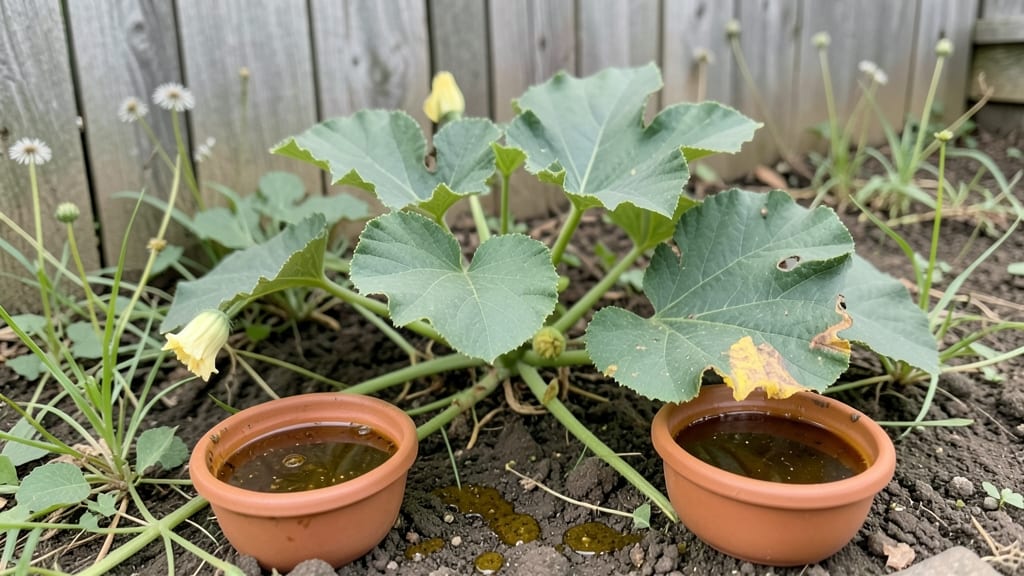
Neem oil for pumpkin plants is the secret weapon in my battle against blossom end rot and hungry pests. 🌱 Last summer, my prized pumpkins developed those telltale black spots, and after trying everything else, neem oil saved my harvest with just two applications.
The stuff doesn't just stop rot—it keeps aphids, powdery mildew, and even squash vine borers at bay without harsh chemicals.
You'll need pure, cold-pressed neem oil (not the diluted version), a spray bottle, and a few drops of dish soap to help it stick. Mix 1 tablespoon of oil with 1 teaspoon of soap per quart of water, and shake well before each use.
The key is timing—apply it in the early morning or late evening when bees aren't active, and always spray the undersides of leaves where pests hide. I've found that a weekly preventive spray during hot, humid months keeps my pumpkins thriving.
What you'll get is pumpkins that stay disease-free and vigorous, with fewer holes from pests and no more wasted blossoms. The plants develop a thicker, glossier foliage that repels insects naturally, and the soil stays healthier because you're not introducing synthetic chemicals.
Plus, your harvest will be cleaner, with fewer blemishes and longer storage life. The best part? This same mix works for cucumbers, zucchini, and melons too.
Here's where it gets interesting—neem oil works best when combined with other organic defenses. I pair it with companion planting (like nasturtiums around pumpkins) and row covers for early-season protection.
Just remember: neem oil won't kill existing squash vine borers, so you'll still need to handpick those larvae if you spot them. The magic happens in prevention, not cure.
📚 In This Guide
- What you need
- Instructions
- Tips and common mistakes
- Wrapping up and next steps
What you need
- ● Neem oil (100% cold-pressed, organic): 1–2 tablespoons per gallon of water (adjust based on plant size and severity of issues). Look for Azadirachta indica extract with at least 10% azadirachtin for potency.
- ● Water (distilled or dechlorinated): 1 gallon (3.8 liters) per application. Tap water may contain chlorine, which can reduce effectiveness.
- ● Spray bottle or garden sprayer: A 1–2 gallon pump sprayer (for larger plants) or a 16–32 oz. handheld sprayer (for small seedlings). Ensure it has a fine mist nozzle for even coverage.
- ○ Gloves (optional but recommended): Nitrile or rubber gloves to protect your skin from neem oil’s mild irritants.
- ● Stirring stick or spoon: For mixing neem oil and water thoroughly.
- ● Horticultural oil or liquid soap (1 tsp): Adds to the mix for better adhesion and enhanced pest control (especially for stubborn aphids or mites).
- ● Dish soap (unscented, ½ tsp max): Acts as a surfactant to help the solution stick to leaves (use sparingly—too much can harm plants!).
- ● Spray shield or cover: A sheet or cloth to protect nearby plants from accidental overspray.
- ● Label or marker: To tag treated plants and track application dates.
Step-by-Step instructions for applying neem oil to pumpkin plants
Here's how to use neem oil to prevent blossom end rot and keep your pumpkins thriving.
🌱 Step 1: Choose the Right Neem Oil Product
Pick a cold-pressed, organic neem oil—never a refined or diluted version. I always check the label for 100% pure neem oil with no added solvents or fillers. The bottle should list azadirachtin content (the active ingredient) around 0.3-0.5% for best results. Store it in a cool, dark place to preserve potency.
If your oil has separated or smells rancid, toss it and get fresh. Neem oil breaks down quickly when exposed to light or heat, so this is the moment to grab a new bottle if yours is past its prime. I keep a small bottle in the garage for easy access during growing season.
💧 Step 2: Mix the Solution Properly
Combine 1 tablespoon of neem oil with 1 teaspoon of mild liquid soap (like castile soap) in a 1-quart spray bottle. The soap acts as an emulsifier, helping the oil mix with water. Fill the bottle with warm water and shake vigorously for 30 seconds—this ensures the oil doesn't separate when spraying.
Test the mixture on a small leaf first. If it leaves a greasy residue, dilute with a little more water. The solution should feel slightly slick but not sticky to the touch. I like to mix fresh batches every 7-10 days because neem oil loses effectiveness over time, especially in sunlight.
☀️ Step 3: Apply at the Right Time
Spray your pumpkin plants early in the morning or late in the evening when temperatures are below 85°F. Avoid spraying during peak sun hours—neem oil can cause leaf burn when exposed to direct sunlight. Focus on the undersides of leaves, stems, and flower clusters, as these are hotspots for pests and fungal spores.
Cover the soil lightly with a tarp or newspaper before spraying to protect beneficial soil microbes. I always wear gloves and a mask when applying neem oil, as it can irritate skin and lungs. Shake the bottle well before each use, even if you mixed it the day before.
⏰ Step 4: Maintain a Consistent Schedule
Apply neem oil every 7-10 days during the growing season, or immediately after rain or heavy watering. This prevents blossom end rot by maintaining a protective barrier against fungal spores and pests. Stop treatments 2 weeks before harvest to allow any residue to break down—neem oil is organic but still needs time to fully dissipate.
If you notice yellowing leaves or powdery mildew, increase applications to every 5-7 days until the problem clears. I also rotate neem oil with baking soda spray (1 tablespoon baking soda + 1 quart water) every other week to prevent resistance buildup in pests.
🌿 Step 5: Monitor and Adjust
Watch for signs of improvement within 7-10 days—healthier leaves, fewer damaged blossoms, and stronger vines are good indicators. If blossom end rot persists, check your watering habits—pumpkins need consistent moisture, but soggy soil can still cause issues. Adjust your irrigation to keep soil evenly damp but not waterlogged.
If you see new damage after treatment, reapply neem oil and check for hidden pests like aphids or spider mites. Sometimes, a secondary issue like poor pollination (from pests eating flowers) can mimic blossom end rot. In that case, hand-pollinate flowers with a small brush to ensure fruit set.
Tips & tricks for perfect neem oil application on pumpkin plants
Here's what nobody tells you about making neem oil work its magic for your pumpkins.
Quality Matters: In Step 1, when selecting your neem oil, look for bottles that say "cold-pressed" and list the azadirachtin content. I learned this the hard way after using a cheaper oil that had only 0.1% azadirachtin—it barely worked! The 0.3-0.5% range is what actually fights fungal spores effectively. Store your oil in a dark glass bottle in a cool place, like a garage or basement, to preserve its potency for months. Between us, I've seen neem oil go rancid in just two weeks when left in direct sunlight.
Mixing Secret: When you're shaking that 1-quart spray bottle in Step 2, don't just give it a quick shake—really work it for those full 30 seconds. I've seen mixtures separate within minutes if not shaken properly. Here's what I do: hold the cap tightly and shake in a figure-eight motion for 30 seconds, then let it sit for 5 minutes before testing on a leaf. This ensures the oil stays suspended in the water. Also, use warm water—it helps the oil emulsify better than cold water.
Timing is Everything: The 85°F temperature limit in Step 3 is non-negotiable. I've seen leaf burn happen within hours when I sprayed at midday, even when temps were "only" 82°F. The key is to spray when dew is still on the leaves in the morning, or when the sun has set completely in the evening. Focus on the undersides of leaves first—pests and fungal spores love hiding there. I always spray until the point of run-off, but not so much that water pools on the soil.
Safety First: Don't skip the gloves and mask mentioned in Step 3, even if you're just doing a quick application. Neem oil can cause skin irritation and respiratory discomfort, especially with repeated exposure. I keep a small spray bottle of vinegar water nearby to rinse my hands immediately after application. Also, protect your soil microbes by covering the ground with newspaper or cardboard before spraying—this prevents the neem oil from harming beneficial organisms in your soil ecosystem.
Pro Tips for Neem Oil For Pumpkin Plants
- Here's what nobody tells you about making neem oil work its magic for your pumpkins.
- Quality Matters: In Step 1, when selecting your neem oil, look for bottles that say "cold-pressed" and list the azadirachtin content.
- Mixing Secret: When you're shaking that 1-quart spray bottle in Step 2, don't just give it a quick shake—really work it for those full 30 seconds.
Frequently asked questions
Got questions about using neem oil for your pumpkin plants?
Here are some of the most common ones—and their straightforward answers to keep your gourds thriving!
How often should I apply neem oil to pumpkin plants?
Apply neem oil every 7–14 days during active growing seasons (spring to early fall) to prevent fungal diseases like powdery mildew and bacterial infections. For preventative care, start when plants are young (2–3 weeks old) and continue until harvest. Always use it at dusk or dawn to avoid harming bees and other pollinators.
Can I use neem oil if my pumpkins already have blossom end rot?
Neem oil won’t cure existing blossom end rot (a calcium deficiency), but it can reduce stress by combating fungal infections that worsen the issue. Focus on improving soil calcium (e.g., crushed eggshells, lime) and watering consistently. For severe cases, pair neem oil with a balanced organic fertilizer to support overall plant health.
What’s a good alternative to neem oil for pumpkin plants?
If you’re allergic to neem or want variety, try these organic alternatives:
- Baking soda spray (1 tsp baking soda + 1 quart water + a drop of dish soap) for fungal diseases.
- Compost tea to boost soil microbes and prevent deficiencies.
- Potassium bicarbonate (1 tbsp per gallon of water) for bacterial spot.
- Garlic or chili pepper spray (homemade) as a natural fungicide.
How long before harvest can I use neem oil on pumpkins?
Neem oil is safe to use up to 1 day before harvest—it breaks down quickly and leaves no harmful residues. However, for maximum safety, apply it at least 3 days before picking if your pumpkins are for seed-saving or sensitive storage. Always rinse produce if you’re concerned about taste or texture.
Will neem oil harm bees or other pollinators?
Yes! Neem oil is toxic to bees when sprayed directly on flowers. To protect pollinators:
- Avoid spraying during bloom times (focus on leaves/fruit instead).
- Apply after sunset or before sunrise when bees are less active.
- Skip neem oil 2–3 days before/after pumpkin flowers open.
Wrapping up and next steps
Neem oil is a game-changer for pumpkin plants, offering a natural, eco-friendly way to combat blossom end rot and pests while boosting overall plant health. By harnessing its antifungal, antibacterial, and insect-repelling properties, you’re not just protecting your harvest—you’re fostering a thriving, organic garden. 🌱
Ready to give your pumpkins the care they deserve? Start small—test neem oil on a few plants first, and soon, you’ll be reaping healthy, vibrant produce. Happy gardening! 🎉