
Planting
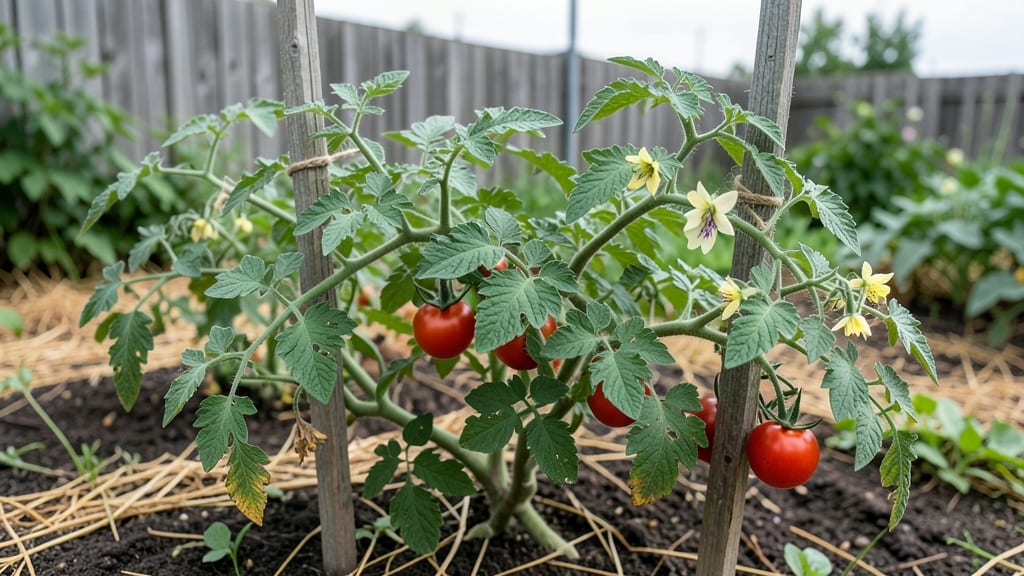
Sizing your tomato plant correctly 🍅 is the difference between a thriving vine and a tangled mess that fights for every inch of space.
Picture this: You’ve just planted your spring tomatoes in USDA Zone 6a, and by July, they’re either sprawling like a jungle or barely reaching waist height. That’s not luck—it’s all about the variety, the pruning, and how you space them from day one.
Some tomatoes stay compact, perfect for containers, while others climb like six-foot ladders if left unchecked. Get the spacing wrong, and you’ll end up with fewer fruits, slower growth, and a garden that looks like a tangled web.
In this guide, I’ll break down the exact heights and spreads for common varieties, how to prune for the right size, and the spacing tricks that keep your plants happy—and your harvest bountiful.


How tall do tomato plants grow? Size variations by variety
Tomato plants come in an incredible range of sizes, from compact bush varieties that stay under 2 feet to towering vines that climb 12 feet or more. The difference often boils down to whether a variety is determinate (bush-type) or indeterminate (vining).
Understanding these growth habits helps you plan your garden layout, choose the right supports, and avoid overcrowding—all critical for a bountiful harvest.
Determinate tomatoes grow to a predictable height (usually 3–5 feet) and produce fruit all at once. Indeterminate varieties, however, keep growing until frost and produce fruit continuously. This distinction affects everything from pruning needs to staking requirements.
For example, a cherry tomato vine like 'Sungold' can sprawl 6–10 feet, while a beefsteak variety like 'Brandywine' might max out at 5 feet but needs heavy pruning to support its large fruit.
Why does size matter? Overcrowded tomato plants compete for sunlight, water, and nutrients, leading to smaller fruit and higher susceptibility to diseases like blight. Proper spacing and support not only maximize yield but also make harvesting easier. Below, we break down the most common tomato varieties by their mature sizes and growth characteristics to help you choose the best fit for your garden space and goals.
🌱
| Variety Type | Mature Height | Growth Habit | Fruit Production | Support Needs |
|---|---|---|---|---|
| Determinate (Bush) | 3–5 ft | Compact, stops growing | All at once (1–2 weeks) | Cages or low stakes |
| Indeterminate (Vining) | 6–12+ ft | Continuous growth | Ongoing (all season) | Trellis or tall stakes |
| Cherry Tomatoes (e.g., 'Sungold') | 6–10 ft | Indeterminate, prolific | Clustered, frequent | Strong trellis |
| Beefsteak (e.g., 'Brandywine') | 4–6 ft | Indeterminate or semi-determinate | Large fruit, staggered | Heavy-duty stakes |
| Dwarf/Patio (e.g., 'Tiny Tim') | 1–2 ft | Determinate, compact | Moderate, all at once | None or small cage |
| Heirloom (e.g., 'Black Krim') | 5–8 ft | Indeterminate, vigorous | Large, irregular | Tall trellis or fence |
If you're growing tomatoes in containers or small spaces, dwarf or determinate varieties are ideal. For example, 'Tiny Tim' stays under 2 feet tall and thrives in 5-gallon pots, making it perfect for balconies or windowsills.
On the other hand, indeterminate varieties like 'Sweet 100' or 'Early Girl' need vertical space to shine—they’ll reward you with a never-ending supply of fruit if given proper support.
Another factor to consider is fruit weight and size. Heirloom tomatoes like 'Brandywine' produce massive, flavorful fruit but require sturdy supports to prevent stems from snapping.
In contrast, cherry tomatoes like 'Super Sweet 100' are lightweight and can handle lighter trellising, but their prolific growth means you’ll need a robust system to keep them contained.
For first-time growers, I recommend starting with a mix of determinate and indeterminate varieties to experience both growth habits. For instance, plant a determinate 'Roma' (great for sauces) alongside an indeterminate 'Sungold' (perfect for snacking).
This way, you’ll get an early harvest from the Roma while enjoying a continuous supply of cherries from the Sungold throughout the season.
🌿
One common mistake is assuming all tomato plants need the same amount of space. Overcrowding leads to poor air circulation, which invites fungal diseases like early blight. Always follow spacing guidelines: 18–24 inches apart for determinate varieties and 24–36 inches apart for indeterminate ones.
If you’re short on space, consider vertical gardening with trellises or stakes, which not only saves room but also makes harvesting easier and reduces disease risk.
Pruning also plays a crucial role in managing plant size. Indeterminate varieties benefit from regular pruning to remove suckers (side shoots) and direct energy toward fruit production. Determinate tomatoes, however, often don’t need pruning unless you’re dealing with overcrowded foliage. Always use clean, sharp pruners
Proper spacing for tomato plants: avoid crowding & boost yields
Tomato plants need adequate space to thrive, but many gardeners unknowingly crowd them, leading to stunted growth and disease spread. Proper spacing ensures better airflow, stronger stems, and higher yields. Whether you're growing determinate or indeterminate varieties, following science-backed guidelines will transform your harvest.
Overcrowded tomato plants compete for nutrients, water, and sunlight, resulting in smaller fruits and weaker plants. Worse yet, poor airflow creates a moisture-rich environment that invites fungal diseases like blight and powdery mildew.
By spacing plants correctly, you’ll encourage healthier roots and stronger stems, leading to bigger, tastier tomatoes.
- Determinate varieties: Space 18–24 inches apart in rows 24–36 inches apart (e.g., Roma, Celebrity). These bushy plants stay compact, typically reaching 3–4 feet tall.
- Indeterminate varieties: Space 24–36 inches apart in rows 36–48 inches apart (e.g., Sungold, Brandywine). These vining plants can grow 6–10 feet tall and need stakes or cages.
- Cherry tomatoes: Space 12–18 inches apart (indeterminate types) or 18–24 inches apart (determinate types). Their smaller size allows closer planting but still needs airflow.
- Heirloom varieties: Often indeterminate, so give them 36+ inches of space. Their sprawling habit requires extra room to prevent leaf diseases.
- Container growing: Use 1–2 plants per 5-gallon pot (indeterminate) or 3–4 plants per 5-gallon pot (determinate). Ensure pots have drainage holes and support stakes.
If your garden space is limited, consider vertical gardening techniques like trellises or cage systems. These not only save space but also improve fruit quality by keeping plants off the ground.
For determinate varieties, a simple stake or cage works well, while indeterminate types may need a stronger trellis or floral wire to support their weight.
Another creative solution for small spaces is interplanting. Pair tomatoes with companion plants like basil, marigolds, or onions, which deter pests and improve growth. Avoid planting tomatoes near potatoes or fennel, as these can stunt their development. This method maximizes space while enhancing plant health.
When planting, always dig a deep hole to encourage root growth and place a time-release fertilizer at the base. Water thoroughly after planting to help roots establish quickly. Mulching around the base with straw or grass clippings retains moisture and suppresses weeds, giving your tomatoes a healthier start.
Monitor your plants regularly for signs of overcrowding, such as yellowing leaves or stunted growth. If you notice these issues, thin out plants immediately or transplant extras to another area. With the right spacing, your tomato plants will reward you with bountiful, disease-free harvests all season long. 🌱