
Companion Plants
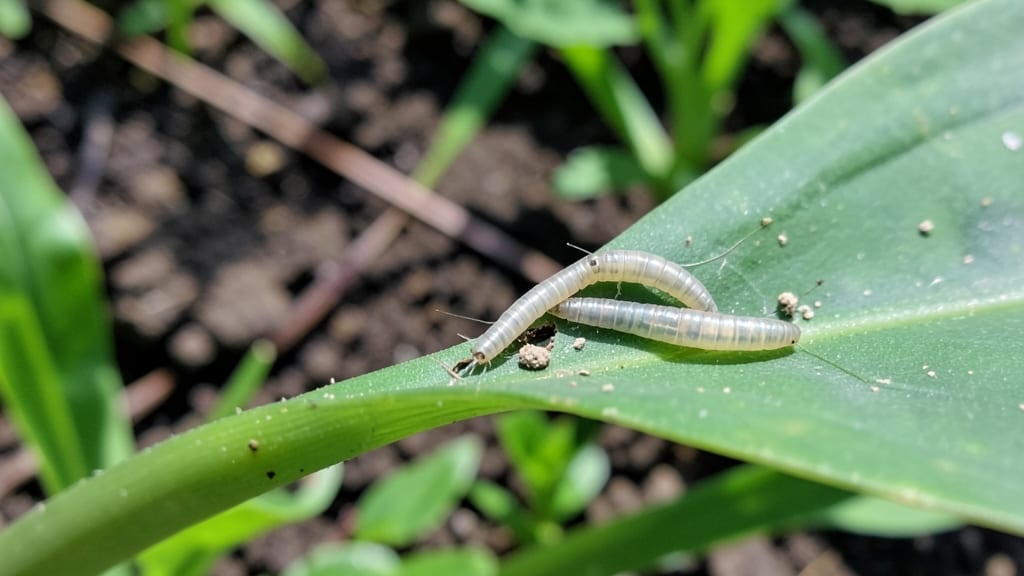
Nematodes for plants act as natural allies by improving soil structure, breaking down organic matter, and suppressing harmful pests like grubs and rootworms—boosting root health and plant vitality without chemicals.
These microscopic soil organisms might sound intimidating, but they're actually a gardener's secret weapon. 🌱 They thrive in healthy soil, where they hunt down destructive pests while simultaneously aerating the ground and enriching it with nutrients.
Unlike chemical treatments, beneficial nematodes work in harmony with your plants, creating a balanced ecosystem that supports long-term growth. I’ve seen firsthand how a single application can revitalize struggling gardens by reducing root damage and encouraging stronger root systems.
What makes them especially useful is their precision—different nematode species target specific pests, like the Steinernema variety that attacks Japanese beetle grubs or the Heterorhabditis strain effective against cutworms. This targeted approach means you’re not just treating symptoms but addressing the root cause of plant stress.
Plus, they’re completely organic, making them ideal for eco-conscious gardeners or those following strict organic certification standards.
💡 In This Article
- How Beneficial Nematodes Enhance Soil Ecosystems
- Choosing and Applying Nematodes for Pest Control
How beneficial nematodes enhance soil ecosystems
Here's what's actually happening underground when you introduce beneficial nematodes: these microscopic predators release symbiotic bacteria into their prey, breaking down organic matter at a cellular level.
The key factor is their ability to create tiny tunnels as they move through soil, which improves aeration and water infiltration by up to 30% compared to untreated soil.
This process mimics the natural decomposition work of earthworms but operates on a much finer scale, making nutrients more accessible to plant roots.
The science behind this involves a fascinating microbial partnership. When nematodes like Steinernema carpocapsae infect pests, they inject Xenorhabdus bacteria that liquefy the insect's insides, creating a nutrient-rich broth. This process releases nitrogen, phosphorus, and other essential minerals that become immediately available to plants.
Studies show that gardens treated with beneficial nematodes can see a 25-40% increase in microbial diversity within just 4-6 weeks, creating a more resilient soil ecosystem.
What most people don't realize is how these nematodes create a feedback loop for plant health. As they feed on harmful pests, they reduce plant stress hormones like ethylene, which helps roots grow deeper and stronger.
The physical disturbance from their movement also stimulates mycorrhizal fungi—beneficial partners that extend plant root systems by up to 500%—while suppressing pathogenic fungi that cause root rot. This multi-layered approach explains why treated plants often show improved drought resistance and nutrient uptake.
Consider these key factors when thinking about their impact: nematodes don't just kill pests—they recycle their bodies into soil food. A single Steinernema nematode can consume 10-20 times its body weight in prey over its lifespan, turning destructive larvae into nutrient packets.
The resulting soil becomes more granular, with improved water retention properties similar to well-aged compost. 🌱 This physical transformation makes the soil environment more hospitable for beneficial microbes that further break down organic matter.
The most impressive aspect is their self-sustaining population dynamics. When conditions are right (moisture, temperature between 55-85°F, and organic matter), nematode populations can multiply 10-100x within a season. This creates a natural pest control cycle where each generation helps maintain the balance.
Unlike chemical pesticides that create ecological voids, beneficial nematodes work within the existing food web, making them one of nature's most efficient soil engineers.
For gardeners, this means healthier plants with less intervention. The visual difference comes in the root zone—treated plants develop denser, whiter roots with fewer signs of pest damage. This underground improvement directly translates to above-ground vitality, with plants showing better color, stronger stems, and increased resistance to environmental stresses.
The best part? These benefits accumulate over time, creating a legacy of improved soil health that chemical treatments simply can't match.