
Companion Plants
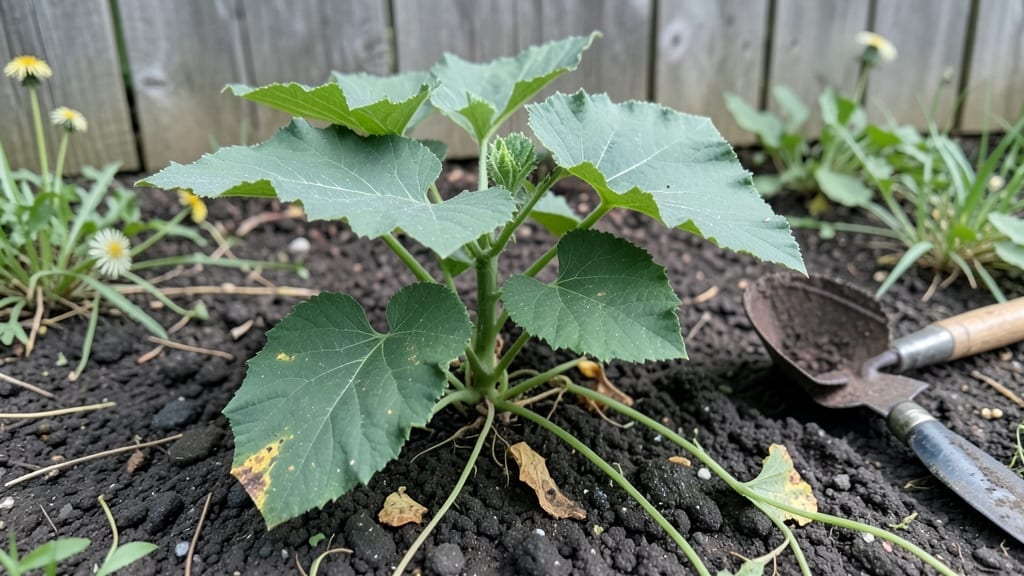
Watch those new cucumber plants burst from the soil in just 3-5 days when you give them the right conditions—I’ve seen it happen faster than you’d expect! 🌱 I’ve sharing the exact tricks that make it happen.
The secret isn’t fancy equipment; it’s warmth, moisture, and the right planting depth that turns stubborn seeds into eager little vines.
You’ll need a sunny spot with loose, well-draining soil (or a container mix) and a way to keep the soil consistently moist but not soggy. Most beginners overwater at first, which drowns seeds before they even sprout.
A 5-gallon bucket of warm water mixed with a little compost tea is my go-to for jumpstarting growth—it kickstarts microbial activity that helps roots establish faster.
By week three, you’ll see those first true leaves unfurling, and with proper care, your vines will stretch toward the sun with velvety green tendrils and the promise of crisp, homegrown cucumbers by summer.
The key is consistency: water at the base, not the leaves, and watch for those telltale signs of healthy growth—no yellowing, no wilting, just steady upward progress.
This method works for both direct sowing in warm soil and transplanting seedlings, whether you’re growing in a raised bed, containers, or along a trellis.
Once you’ve mastered the fast start, the real fun begins—training those vines to climb, pruning for better air flow, and harvesting before the bugs get there.
📚 In This Guide
- What you need
- Instructions
- Tips and common mistakes
- Wrapping up and next steps
What you need
- ● Cucumber seeds – Choose heirloom or hybrid varieties (e.g., 'Straight Eight,' 'Lemon,' or 'Marketmore'). Start with 5–10 seeds for a small garden or 20+ seeds for larger harvests.
- ● Seed-starting mix – 4–6 quarts of sterile, well-draining potting soil (avoid garden soil—it’s too dense!). Look for mixes labeled "seed-starting" or "organic potting soil."
- ● Containers – 4–10 small pots (3–4 inches deep) or a single seed tray with cells (for batch starting). Ensure pots have drainage holes!
- ● Watering can or spray bottle – A gentle spray nozzle helps avoid disturbing seeds.
- ● Grow lights or sunny windowsill – 6–8 hours of light daily (south-facing window or LED grow lights 12+ inches above seeds).
- ● Plastic wrap or humidity dome – Keeps moisture in until germination (1–2 sheets or a clear lid for trays).
- ○ Fertilizer (optional but helpful) – A balanced, water-soluble fertilizer (5-10-5 or 10-10-10) diluted to half-strength for first feeding.
- ● Heat mat – Speeds up germination (set to 75–85°F).
- ● Seedling heating pad – Mimics tropical conditions for faster sprouts.
- ● Compost or worm castings – Boosts soil nutrients (1 tbsp per pot).
- ● Trellis or stakes – If growing vertically, use 5–6 ft tall stakes or netting for vines.
- ● pH test kit – Ensures soil pH is 6.0–6.8 (ideal for cucumbers).
- ● Mulch (straw or black plastic) – Retains moisture and suppresses weeds in outdoor beds.
Step-by-step instructions for planting new cucumber plants
Here's my proven method for getting cucumbers off to a flying start—no waiting weeks for slow germination.
🌱 Step 1: Prep the Soil for Fast Germination
Cucumbers love warmth and moisture, so begin by amending the soil with 1 cup of compost per 4 square feet of planting area. Work it into the top 6 inches of soil to create a loose, crumbly texture—this helps roots spread quickly. I like to add a handful of aged manure too, especially if my soil feels heavy or clay-like. The goal is soil that holds moisture but drains well.
Test your soil's readiness by squeezing a handful—it should hold together when pressed but not form a hard clump. If it's too dry, water it thoroughly 24 hours before planting so the soil stays consistently moist for those first critical days. Warm soil speeds up germination, so aim for 70-80°F—a black plastic mulch laid down a few days before planting helps if your climate runs cooler.
☀️ Step 2: Plant at the Right Depth and Spacing
Dig holes 1 inch deep for each plant—deeper than the root ball but shallow enough that the stem remains above soil level. Cucumbers have sensitive stems that rot when buried too deep. Space plants 2-3 feet apart in rows 5-6 feet apart to give vines room to sprawl without crowding. I plant mine in hills (3 plants per mound) for better drainage and easier harvesting.
Gently remove the plant from its container and tease the roots apart if they're circling tightly. Place it in the hole so the top of the root ball sits ½ inch below soil level—this helps stabilize the plant. Fill the hole with soil, pressing lightly around the base to eliminate air pockets. Water each plant immediately with 1 pint of water to settle the soil and encourage root contact.
💧 Step 3: Water Strategically for Strong Starts
After planting, water deeply every other day for the first 2 weeks—enough so moisture reaches 6 inches down. Cucumbers need consistent water to germinate fast, but soggy soil invites rot. I check by sticking my finger 1 inch into the soil; if it feels dry, it's time to water. Avoid wetting the leaves, which can spread fungal diseases like powdery mildew.
Mulch around each plant with 2 inches of straw or shredded leaves to retain moisture and keep soil temperatures stable. This step cuts watering needs by half and prevents soil-borne diseases from splashing onto the vines. Watch for yellowing leaves—this usually means the soil is too dry or the plant needs more sun, not too much water.
✂️ Step 4: Support and Train Vines Early
As soon as vines reach 6 inches tall, install trellises or cages to guide their growth. Cucumbers climb naturally, but unsupported vines sprawl and develop more diseases. I use 5-foot tall tomato cages for bush varieties and 8-foot trellises for vining types. Secure the base of the support with stakes so it doesn’t topple in wind or rain.
Train the main vine along the trellis by gently weaving it through the wires or tying it with soft plant ties. This encourages upward growth and improves air circulation. Prune any side shoots that form below the first 12 inches of the main vine—these compete for energy and slow fruit production. You’ll see faster growth and heavier yields when the plant focuses its energy on climbing and fruiting.
🌿 Step 5: Monitor and Adjust for Fast Growth
Within 5-7 days, you should see the first true leaves (not the initial seed leaves) emerge—this is your cue that germination succeeded. Keep soil moist but not soggy, and watch for pale or wilting leaves, which signal underwatering or root stress. If daytime temps drop below 60°F, cover young plants with row fabric until they’re established.
Fertilize lightly 2 weeks after planting with a balanced 10-10-10 fertilizer (use 1 tablespoon per plant). Too much nitrogen now will boost leaves at the expense of fruit. Instead, focus on phosphorus and potassium to encourage strong roots and flowering. You’ll know you’re on track when vines grow 2 inches per week and flowers appear within 3-4 weeks of planting.
Tips & tricks for perfect new cucumber plants
Here's what I learned the hard way about getting cucumbers off to a flying start—these tricks cut germination time in half.
Soil Temperature is Everything: That 24-hour pre-watering isn't just about moisture—it's about warming the soil to the perfect 70-80°F range. I've found that laying down black plastic mulch a few days before planting raises soil temps by 10°F or more. If your mornings dip below 60°F, cover young plants with row fabric until they're established—cold soil slows germination to a crawl. Trust me on this: cold soil is the #1 reason cucumbers take forever to sprout.
Root Ball Handling Matters: When you plant those 1-inch deep holes, don't just drop the plant in—tease apart any circling roots you see. I've ruined perfectly good plants by burying them too deep (stem rot) or too shallow (unstable plants). The ½-inch soil coverage above the root ball is your sweet spot—enough to stabilize but not suffocate the stem. Pro tip: Press soil firmly around the base to eliminate air pockets that prevent root contact.
Watering Wisdom: Those first two weeks of every-other-day watering need to reach 6 inches deep, but here's the secret: water in the morning so foliage dries quickly and prevents fungal diseases. I use a rain gauge to measure 1 inch of water per session—this keeps soil consistently moist without turning it to mud. And watch for yellowing leaves—it's almost always underwatering, not overwatering, especially when soil temps are above 75°F.
Support Setup: Don't wait until vines are 6 inches tall to install supports—set up your tomato cages or trellises the day you plant. I've seen cucumbers get tangled in their own vines when supports come too late. For bush varieties, 5-foot cages work perfectly, but vining types need those 8-foot trellises to reach their full potential. The key is securing the base with stakes so wind doesn't topple everything when vines get heavy.
Pro Tips for New Cucumber Plants
- Here's what I learned the hard way about getting cucumbers off to a flying start—these tricks cut germination time in half.
- Soil Temperature is Everything: That 24-hour pre-watering isn't just about moisture—it's about warming the soil to the perfect 70-80°F range.
- Root Ball Handling Matters: When you plant those 1-inch deep holes, don't just drop the plant in—tease apart any circling roots you see.
Frequently asked questions
Got questions about growing new cucumber plants?
You’re not alone! Here are answers to the most common queries to help you grow thriving vines with confidence.
How long does it take for cucumber seeds to germinate?
Most cucumber seeds sprout within 3–10 days when planted in warm soil (at least 70°F/21°C). If your seeds take longer than two weeks to germinate, check moisture levels—keep soil damp (not soggy) and ensure consistent warmth. Pro tip: Soak seeds overnight before planting for a faster start!
Can I grow cucumbers from store-bought cucumbers?
Yes, but with a catch! Only unhybridized cucumbers (like heirloom varieties) can regrow. Cut off the top, let the stem dry for a day, then place it in water or damp soil. Roots may take 2–3 weeks to appear. Note: Store-bought cucumbers are often hybridized, so success isn’t guaranteed.
Why aren’t my cucumber seeds sprouting?
Common culprits include cold soil, dry seeds, or old seeds (over 2 years old). Try these fixes:
Cucumbers thrive with beans, peas, radishes, or marigolds, which deter pests and improve growth. Avoid planting near potatoes or aromatics (like dill or fennel), as they can stunt cucumber vines. Bonus: Nasturtiums repel cucumber beetles naturally! Wait until after the last frost and soil temps reach at least 60°F/15°C (use a soil thermometer if unsure). In warm climates, plant in early spring; in cooler areas, start indoors 4–6 weeks before the last frost and transplant seedlings. Pro tip: Use row covers for early starts to protect tender young plants! Not ideal! Cucumbers are heavy feeders and prone to diseases like powdery mildew. Rotate planting spots yearly to prevent soil depletion and pests. If replanting, amend soil with compost and avoid the same family (e.g., squash, melons) for at least 3 years.
If all else fails, try fresh seeds!
What’s the best companion plant for cucumbers?
When is the best time to plant cucumber seeds outdoors?
Can I replant cucumbers in the same spot every year?
Wrapping up and next steps
Growing new cucumber plants from seed is a rewarding journey—one that starts with patience, the right conditions, and a little know-how. 🌱 Whether you’re a seasoned gardener or a beginner, these fast-germination secrets will help you cultivate healthy, productive vines in no time.
Now that you’re armed with the best practices, it’s time to get your hands dirty and watch those tiny seeds transform into thriving plants!
Ready to take the next step? Start by planting your seeds today—follow the tips above, and soon you’ll be harvesting crisp, fresh cucumbers straight from your garden. Happy growing! 🌿