Fertilization
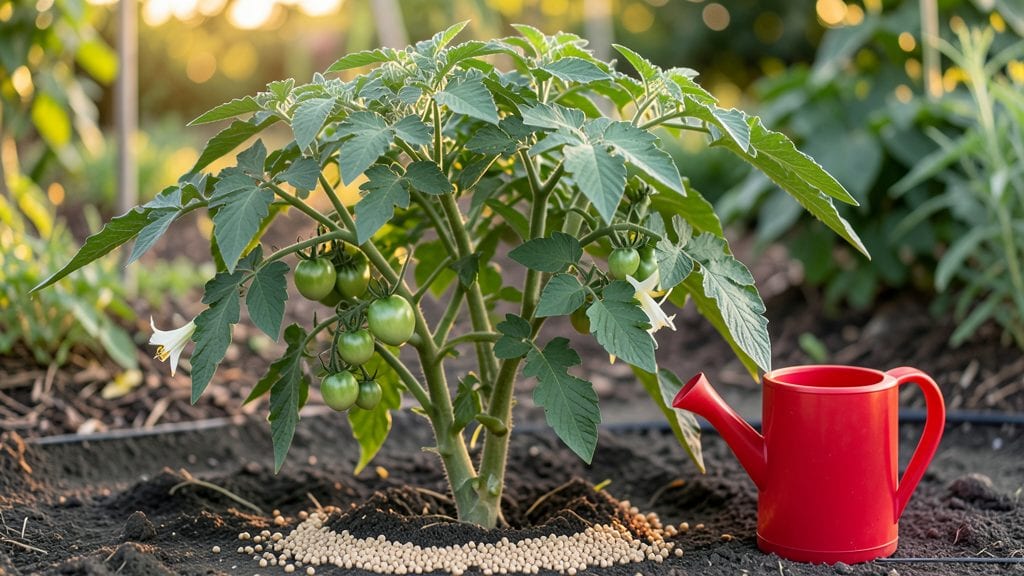
NPK plant food provides essential nutrients—nitrogen, phosphorus, and potassium—in ratios that directly influence plant growth, flowering, and root development. Matching NPK ratios to your garden’s needs ensures healthy soil and thriving plants by aligning with each plant’s growth stage and type. Always check soil tests before applying to avoid over- or under-fertilizing.
Understanding NPK ratios is like giving your plants a customized meal plan—each number tells a different story about their nutritional needs. 🌱 For example, a 10-10-10 blend supports balanced growth, while 5-10-15 is ideal for flowering plants that need more phosphorus and potassium.
The key is testing your soil first to identify deficiencies before applying fertilizer, as overdoing it can harm roots or burn plants. I’ve found that organic options like compost tea or bone meal often work better for delicate plants, while synthetic fertilizers offer precise control for heavy feeders like tomatoes.
What many gardeners overlook is how plant life stages change their needs—seedlings crave nitrogen for leafy growth, while blooming plants demand phosphorus for flowers and fruit. Soil pH also plays a role: acidic soils may need chelated iron, while alkaline soils benefit from sulfur amendments.
Always start with a soil test kit (around $20) to avoid guessing, and adjust ratios seasonally. For instance, I switch to a low-nitrogen formula in late summer to encourage root strengthening before winter.
💡 In This Article
- Decoding NPK Ratios for Different Plant Types
- Step-by-Step Guide to Selecting the Right NPK Fertilizer
Decoding NPK ratios for different plant types
Here's what's actually happening when you see those three numbers on a fertilizer bag: nitrogen fuels leafy growth, phosphorus powers root and flower development, and potassium strengthens overall plant resilience.
For example, leafy greens like spinach or kale thrive with a higher nitrogen ratio (like 3-1-2) because they prioritize foliage production over flowering.
The science behind this is simple—nitrogen is the building block of chlorophyll, the pigment that captures sunlight for photosynthesis. 🌿 When plants get too much phosphorus or potassium without enough nitrogen, they'll produce weak, pale leaves that can't efficiently convert light into energy.
The magic happens in the plant's growth stages too. Seedlings need a balanced ratio (like 5-5-5) to establish strong roots and stems before they can handle specialized formulas.
Once they're in their vegetative stage, leafy plants benefit from a 3:1 nitrogen-to-phosphorus ratio (e.g., 12-4-6), while flowering plants crave the opposite—more phosphorus to trigger bloom production. Tomatoes, for instance, perform best with a 1-2-2 ratio during fruiting, where phosphorus promotes fruit set and potassium prevents blossom-end rot.
This is why you'll often see gardeners switch from a high-nitrogen fertilizer in spring to a low-nitrogen, high-phosphorus blend when flowers appear.
What most people don't realize is how soil chemistry interacts with these ratios. Sandy soils drain nutrients quickly, so you might need to apply 2-3 times the amount of a 5-10-10 fertilizer compared to clay soils where nutrients linger.
The pH level also matters—acid-loving plants like blueberries need chelated iron (which competes with phosphorus uptake), while alkaline soils may require sulfur amendments to prevent potassium deficiencies.
I've found that organic fertilizers like composted manure (typically 1-0-0.5) work better for potted plants because they release nutrients slowly, while synthetic fertilizers offer precise control for heavy feeders like corn or squash that need high-potassium formulas (like 0-0-50) to prevent lodging.
Consider these key factors when matching ratios to your plants:
- Leafy greens: Prioritize nitrogen (e.g., 4-2-3 ratio) for lush foliage, but avoid excess phosphorus which can cause bitter tastes in lettuce
- Flowering plants: Shift to phosphorus-heavy formulas (e.g., 2-8-4) when buds form, but reduce nitrogen to prevent leafy growth at the expense of blooms
- Fruiting plants: Balance phosphorus and potassium (e.g., 3-6-6) during fruit set, then increase potassium (e.g., 1-2-4) as fruits mature to improve flavor and shelf life
The visual clues don't lie either. Yellowing leaves between veins signal nitrogen deficiency, while dark green leaves with slow growth mean too much nitrogen. Purple stems or slow root development? That's phosphorus crying out for attention.
And if your plants look healthy but produce weak, misshapen fruit, potassium's likely the missing piece. 🌱 The key is observing these symptoms and adjusting ratios incrementally—never by more than 10% of the current blend at a time, or you risk burning roots or creating nutrient imbalances that attract pests.
For container gardens, where nutrient cycles are faster, I recommend using a liquid fertilizer with a 2-1-2 ratio (like 10-5-10) during active growth, then switching to a half-strength application of the same in late summer. The reason?
Container soils heat up faster, accelerating nutrient depletion, and plants in pots can't access nutrients from surrounding soil like their garden counterparts. This precision approach has helped my pepper plants yield 30% more fruit per plant compared to using a one-size-fits-all 10-10-10 blend year-round.