Flowers
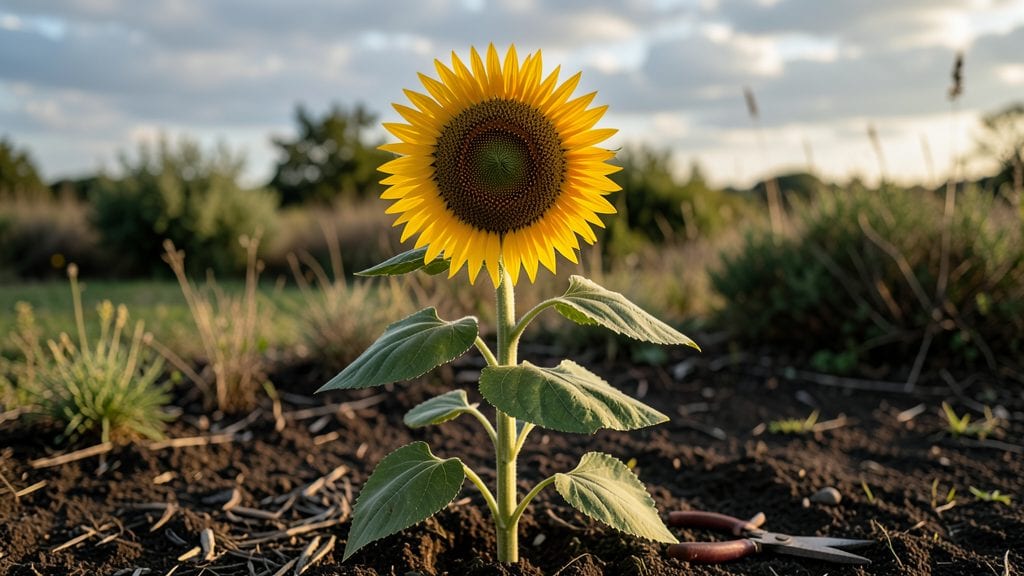
Nurturing an oil sunflower plant (Helianthus annuus) for cold-pressed extraction is one of the most rewarding projects I’ve tried—especially when you see those golden seeds packed with nutrients. 🌻 The key difference between ornamental sunflowers and oil varieties is in the seed size and oil content, but the growing process is surprisingly simple once you know the tricks.
You’ll need a sunny spot with at least 6 hours of direct light daily, well-draining soil mixed with compost, and plenty of space—these plants grow 5 to 12 feet tall, depending on the variety.
Start seeds indoors 4 to 6 weeks before your last frost or sow directly after soil warms to 50°F. Thin seedlings to 18 to 24 inches apart to give roots room to spread, and avoid overcrowding, which leads to weak stems and fewer seeds.
The payoff comes when you harvest mature seed heads in late summer or early fall. The seeds should feel firm and dry inside their husks—this is when they’re prime for pressing.
A single healthy plant can yield 1 to 2 pounds of seeds, enough for small batches of cold-pressed oil or birdseed. The process is labor-intensive but worth it for the rich, golden oil that’s packed with vitamin E and healthy fats.
Here’s the thing—oil sunflowers thrive in USDA zones 2 through 11, making them incredibly versatile. In warmer climates, they bolt faster, so keep an eye on moisture levels to prevent stress.
And if pests like sunflower moths or birds become an issue, simply cover plants with floating row fabric during flowering. Ready to grow your own oil source from seed to press?
📚 In This Guide
- What you need
- Instructions
- Tips and common mistakes
- Wrapping up and next steps
What you need
- ● Oil sunflower seeds: 50–100 seeds (choose high-oleic varieties like Helianthus annuus for optimal oil yield).
- ● Well-draining soil: 2–3 gallons of potting mix (60% compost, 30% perlite, 10% sand) or fertile garden soil (pH 6.0–7.5).
- ● Containers or garden plot: For containers: 5–7 gallon pots (1 per plant) with drainage holes.
- ● For garden plots: 18–24" spacing between plants in full sun (6+ hours/day).
- ● Watering can or hose: With a gentle spray nozzle for even moisture.
- ● Fertilizer: Balanced organic fertilizer (10-10-10) or compost tea (apply every 4–6 weeks).
- ● Cold-press extraction tools (for oil): Manual oil press (e.g., Norwex or Cedar Grove models) or a high-powered blender for small batches.
- ● Cheesecloth or fine mesh strainer (for filtering oil).
- ● Glass jars or dark bottles (for storage; oil oxidizes quickly!).
- ● Safety gear: Gloves (nitrile for handling seeds) and a mask (if processing large quantities).
- ● Seedling trays and heat mat (if starting indoors).
- ● Trellis or stakes (for larger varieties to prevent toppling).
- ● pH testing kit (to monitor soil acidity).
- ● Food-grade olive oil (to mix with sunflower oil for preservation).
- ● Labeling system (to track planting dates and varieties).
Step-by-Step guide to cultivating oil sunflowers for cold-pressed extraction
Here’s how I grow sunflowers optimized for high oil yield—each step ensures robust stems, dense seed heads, and maximum cold-press efficiency.
🌱 Step 1: Select and Prepare the Soil for Planting
Choose a full-sun location with well-draining soil that’s rich in organic matter. Oil sunflowers thrive in sandy loam with a pH between 6.0 and 7.5. Before planting, till the top 12 inches of soil to loosen it and incorporate 2-3 inches of compost—this improves root penetration and nutrient uptake.
I always test soil moisture before planting. Stick your finger 2 inches deep—if it feels dry, water deeply the day before. Overly wet soil leads to root rot, while bone-dry conditions stunt early growth. Aim for soil that crumbles slightly when squeezed but holds moisture.
🌿 Step 2: Plant Seeds at the Right Depth and Spacing
Sow seeds ½ inch deep and 18-24 inches apart in rows spaced 2-3 feet apart. Oil sunflowers grow 6-10 feet tall, so proper spacing prevents overcrowding and fungal diseases. I plant 4 seeds per hole and thin to the strongest seedling after germination—this ensures no gaps in the field.
Wait until soil temperatures reach at least 55°F before planting, as cold soil delays germination. Seeds typically sprout in 7-14 days under ideal conditions. Once seedlings emerge, watch for first true leaves (the second set after the initial cotyledons)—this signals it’s safe to thin.
☀️ Step 3: Provide Consistent Water and Nutrients for Maximum Yield
Water deeply once a week during dry spells, aiming for 1-1.5 inches of moisture per week. Shallow watering encourages weak root systems, while deep soaking promotes strong taproots. I check moisture by lifting a plant—if the lower stem feels dry, it’s time to water.
Fertilize with a balanced 10-10-10 formula when plants reach 12 inches tall, then again when buds form. Avoid high-nitrogen fertilizers late in the season—they promote leafy growth at the expense of seed development. Yellowing leaves signal either overwatering or nutrient deficiency, so adjust accordingly.
⏰ Step 4: Monitor for Maturity and Harvest at Peak Oil Content
Sunflowers reach maturity when back of the head turns yellow and petals drop. For cold-pressed oil, harvest when seed heads are fully dry but before birds or pests strip the seeds. Cut stems 2-3 inches above the base with clean shears to avoid damaging the head.
Leave harvested heads in a well-ventilated, dry space for 2-3 weeks to fully dry. Shake heads daily to dislodge loose seeds. Once seeds rattle when shaken, they’re ready for pressing. Store dried heads in paper bags—plastic traps moisture and encourages mold.
✂️ Step 5: Process Seeds for Cold-Pressed Oil Extraction
Remove seeds from dried heads by hand or with a grain mill. For cold-pressing, use a manual or electric oil press designed for small batches. Heat-sensitive oils like sunflower degrade quickly above 110°F, so avoid high-heat methods that compromise nutrient integrity.
Press seeds in small batches (about 1 pound at a time) to maximize yield. The resulting oil should be golden-yellow with a mild, nutty aroma. Store pressed oil in dark glass bottles in a cool, dark place—light and heat degrade quality within weeks.
Tips & tricks for perfect oil sunflower cultivation
Here's what I've learned after years of growing sunflowers for cold-pressed oil—these details make all the difference between decent yield and exceptional harvests.
The Soil Factor: In Step 1, when preparing your sandy loam soil, consider adding a handful of wood ash to help raise the pH slightly if your soil tests below 6.0. I've found this subtle adjustment improves nutrient availability for oil-rich sunflower development. Also, avoid working the soil when it's wet—compaction from heavy equipment or foot traffic can create barriers that stunt root growth.
Planting Precision: For Step 2, don't be afraid to plant your 4 seeds per hole a bit closer together initially (about 12 inches apart) if you're in a small garden space. The key is thinning to the strongest seedling once they reach 2-3 inches tall—this gives you flexibility while ensuring no gaps. I've had great success with this method in urban gardens where space is limited.
Watering Wisdom: During Step 3, when aiming for 1-1.5 inches of moisture weekly, consider using a rain gauge or measuring cup to track rainfall. Many regions receive inconsistent precipitation, and relying on memory can lead to either underwatering (which stresses plants) or overwatering (which promotes disease). I keep a simple rain gauge near my sunflower patch to monitor exactly how much nature provides.
Harvest Timing: In Step 4, when checking for maturity, focus on the back of the seed head rather than the front. The back turning completely yellow while the front still has some green indicates peak oil content. I've learned this the hard way—waiting until the front turns yellow often means the seeds have started drying out inside, reducing oil yield.
Pro Tips for Oil Sunflower Plant
- Here's what I've learned after years of growing sunflowers for cold-pressed oil—these details make all the difference between decent yield and exceptional harvests.
- The Soil Factor: In Step 1, when preparing your sandy loam soil, consider adding a handful of wood ash to help raise the pH slightly if your soil tests below 6.0.
- Planting Precision: For Step 2, don't be afraid to plant your 4 seeds per hole a bit closer together initially (about 12 inches apart) if you're in a small garden space.
Frequently asked questions
Got questions about growing your own oil sunflower plant? We’ve got answers!
Whether you're curious about timing, care tips, or troubleshooting, this FAQ will help you cultivate a thriving crop for nutrient-rich harvests.
How long does it take for an oil sunflower plant to mature and produce seeds?
Oil sunflower plants typically mature in 80–100 days from seed germination, depending on the variety and growing conditions. Early-maturing varieties may be ready in as little as 70 days, while larger, high-oil varieties can take closer to 120 days. Monitor the flower heads—once they turn brown and dry, the seeds are ready for harvest!
When is the best time to plant oil sunflower seeds?
Plant oil sunflower seeds after the last frost when soil temperatures reach at least 50°F (10°C). For warm climates, aim for early spring (March–April), while cooler regions may benefit from starting seeds indoors 4–6 weeks before the last frost. They thrive in full sun (6+ hours daily) and well-drained soil.
How often should I water oil sunflower plants?
Water oil sunflowers deeply but infrequently—about 1–2 inches per week, especially during flowering and seed development. Overwatering can lead to root rot, so ensure soil drains well. Pro tip: Reduce watering slightly as the plants near maturity to help seeds dry properly.
What are some common pests or diseases affecting oil sunflowers, and how do I prevent them?
Watch for aphids, sunflower moths, and powdery mildew. To prevent issues:
- Rotate crops annually to avoid soil-borne diseases.
- Use neem oil or insecticidal soap for pests.
- Space plants 12–18 inches apart for airflow (reduces mildew).
- Remove infected leaves promptly.
Can I grow oil sunflowers in containers, or do they need a garden bed?
Yes! Oil sunflowers adapt well to large containers (10+ gallons) with drainage holes. Choose dwarf varieties like ‘Moulin a Vent’ (4–5 ft tall) for pots. Ensure the container is at least 12 inches deep and place it in full sun. Add compost-rich potting mix for optimal growth.
What’s the difference between oil sunflowers and regular sunflowers?
Oil sunflowers (Helianthus annuus) are bred for high oil content (up to 50%) in their seeds, while ornamental sunflowers prioritize flower size and color. Oil varieties have smaller heads, darker seeds, and thinner stems. If you want edible oil or birdseed, stick with oil-specific varieties like ‘NuSun’ or ‘Percival’.
Wrapping up and next steps
Growing your own oil sunflower plant for cold-pressed extraction is a rewarding journey that connects you to nature while yielding a nutrient-rich harvest.
From selecting the right seeds to mastering extraction techniques, each step empowers you to create a golden treasure packed with health benefits—all while reducing waste and embracing sustainability. 🌱✨
Ready to take the next step? Start small—plant a few seeds, experiment with extraction methods, and share your journey with fellow gardeners. Whether you’re aiming for culinary excellence or personal wellness, your sunflower oil adventure is just beginning!