Watering
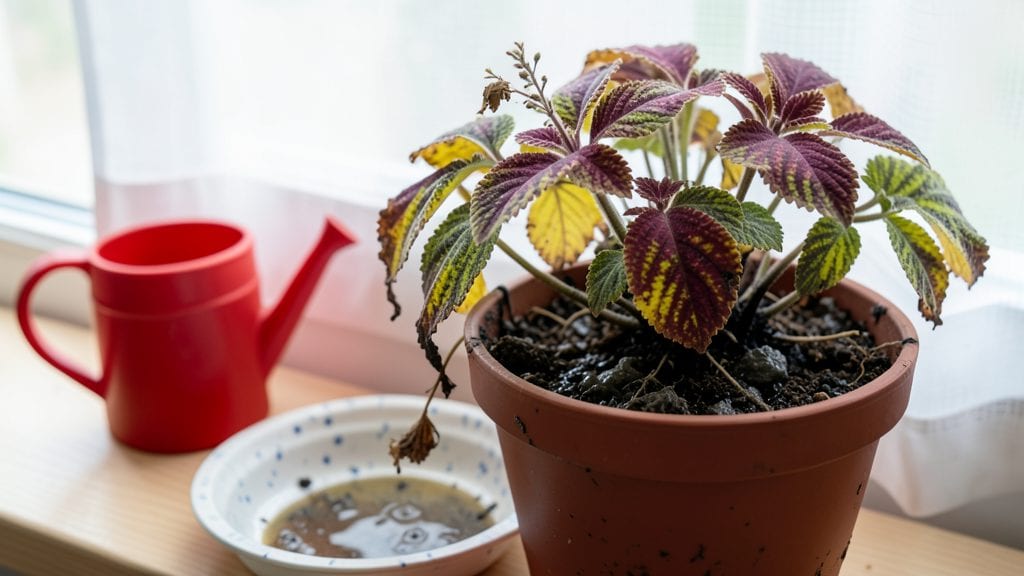
An overwatered coleus plant won’t perk up until you tackle the real issue—its roots—so here’s how to revive it. 🌱 tells you it’s ready. That’s right, the plant’s own signals are the only thing that matters now.
The real culprit isn’t just too much water—it’s the combination of wet soil, poor drainage, and those thick, glossy leaves that trap moisture like a sponge. I’ve seen coleus go from vibrant to mush in just a week when left in damp pots.
The good news? With the right adjustments, you can revive even the most pitiful-looking plant within 10-14 days—no fancy tools required.
What you’re aiming for is crisp, upright leaves with a deep green center that pops against the variegated edges. The first sign of recovery is new growth at the stem tips, followed by those signature colorful patterns re-emerging.
Once you’ve got the watering routine down, your coleus will stay lush all season long—no more guesswork.
This works for both potted plants and those growing in garden beds, though containers need extra attention. The key is checking soil moisture with your finger before watering—if it’s still damp an inch down, wait another day. Trust me, your coleus will thank you.
The Hidden Triggers Behind Soggy Coleus
If your once-vibrant coleus is now a sad, drooping mess, overwatering is likely the culprit—but why does it happen so easily? Coleus plants (Solenostemon scutellarioides) are tropical beauties that love moisture, but their roots are surprisingly delicate.
When watering habits go awry, a cascade of problems follows. Let’s break down the real reasons your coleus is drowning in its own pot—and how to fix them before it’s too late.
Coleus plants thrive in consistently moist (not soggy) soil, but many gardeners overcompensate after seeing wilting leaves. Here’s the science:
- Poor drainage: Coleus roots need oxygen to breathe. When soil stays waterlogged, roots suffocate because anaerobic bacteria (bacteria that thrive without oxygen) outcompete beneficial microbes, leading to root rot (Phytophthora or Pythium fungi).
- Ignoring soil type: Sandy or loamy soil drains faster, while clay or peat-heavy mixes hold water like a sponge. If your coleus is in heavy, compacted soil, it’s at higher risk of overwatering.
- Watering on a schedule: Coleus plants drink water based on environmental factors (humidity, temperature, pot size), not your calendar. Sticking to a rigid "every 3 days" rule—especially in humid climates—can drown roots faster than they can absorb moisture.
Pro tip: 🌡️ Stick your finger 1 inch deep into the soil. If it’s damp, wait. If it’s dry, water thoroughly—then let excess drain completely.
Not all pots are created equal. Your coleus’s container plays a huge role in how quickly it gets overwatered:
| Pot Type | Risk Level | Why It’s Dangerous |
|---|---|---|
| Plastic or glazed ceramic | ⚠️ High | Traps moisture longer; roots stay wet for days after watering. |
| Terracotta (unglazed) | ✅ Low | Breathable material wicks away excess moisture, reducing rot risk. |
| Small pots (<4 inches diameter) | ⚠️ High | Soil dries out too fast at first, so you overwater to "keep it moist"—leading to soggy cycles. |
| No drainage holes | ❌ Critical | Water pools at the bottom, creating a perfect breeding ground for root rot fungi. |
Fix it: Upgrade to a pot with drainage holes and use a well-aerated potting mix (like a 50/50 blend of peat moss and perlite).
Coleus plants are tropical, but that doesn’t mean they’re always thirsty. Humidity and temperature can trick you into overwatering:
- High humidity: In air with <60% humidity, coleus transpires (loses water) faster, so it needs more frequent watering. But if humidity is above 70%, the plant absorbs moisture from the air, making soil stay damp longer.
- Low light conditions: Coleus grows slower in shade, so it drinks less water. Yet, many gardeners water it the same as a sun-loving plant—leading to waterlogging.
- Cold drafts or AC vents: Cool air reduces evaporation, keeping soil moist for days. A coleus near a window AC unit might need half the water it would in a warm, sunny spot.
Pro tip: 💡 Move your coleus to a bright, indirect light spot (like an east-facing window) and adjust watering based on leaf turgor (squeeze a leaf—if it’s limp, it’s thirsty; if it springs back, wait).
Using a pot that’s too large for your coleus is a sneaky way to overwater it. Here’s why:
- Excess soil holds water: A 12-inch pot with a 6-inch coleus means half the soil is unused—and that unused soil stays wet, promoting rot.
- Slower evaporation: More soil = longer drying time. Roots in the center of the pot may never dry out, even if the top layer feels dry.
- Fungal growth: Stagnant water in the extra soil creates a fungal buffet for pathogens like Rhizoctonia.
Solution: 🔄 Repot your coleus into a container that’s only 1-2 inches larger than its root ball. If you love big pots, use a cache pot (a decorative outer pot with a removable inner one).
Revive Your Coleus Fast
An overwatered coleus can feel like a lost cause, but with the right steps, you can nurse it back to health—often in just a few days. The key is acting quickly and addressing the root cause (literally and figuratively).
Below, we’ve mapped out solutions tailored to the most common signs of overwatering, from yellowing leaves to mushy stems. Follow these fixes, and your coleus will bounce back with vibrant foliage in no time!
If your coleus leaves are turning yellow but the stems are still firm, the plant is likely suffering from root suffocation or nutrient leaching. Here’s how to turn things around:
💦 Step 1: Pause Watering Immediately
- Stop adding water until the soil feels dry to the touch (about 1–2 inches deep).
- Pro tip: Use your finger to check moisture—if it’s damp, wait another day.
🌡️ Step 2: Improve Drainage
- Gently remove the plant from its pot and inspect the roots. If they’re dark or mushy, trim the affected areas with sterilized scissors.
- Repot in a container with drainage holes (if missing) and fresh, well-draining potting mix.
A blend of peat, perlite, and coco coir works well. - Prevention tip: Avoid compacted or heavy garden soil—coleus roots need air!
☀️ Step 3: Optimize Light and Airflow
- Move your coleus to a spot with bright, indirect light (e.g., near a window but not in direct sun).
- Increase airflow by placing a small fan nearby (on low) or opening windows occasionally. This helps excess moisture evaporate faster.
If stems feel soft or the plant wobbles easily, root rot may have set in. Act fast to save it!
🔪 Step 1: Prune Damaged Areas
- Snip off any black, mushy stems or leaves with clean scissors. Healthy stems should be firm and green.
- Pro tip: Disinfect your tools with rubbing alcohol to prevent spreading disease.
🌿 Step 2: Root Inspection and Rescue
- Remove the plant from its pot and rinse the roots gently under lukewarm water to wash away excess soil.
- Trim away any black, smelly, or slimy roots—only keep the white or pale yellow ones.
- Emergency tip: If most roots are rotten, don’t despair!
Propagate the healthy stems in water or fresh soil.
🏺 Step 3: Repot in Fresh, Sterile Mix
- Use a clean pot (sterilize with boiling water if reused) and a mix of perlite, vermiculite, and potting soil (50/50 perlite-soil ratio).
- Let the roots dry out for 24 hours before replanting to prevent further rot.
- Prevention tip: Water only when the top 1–2 inches of soil are bone-dry.
Use a moisture meter if you’re unsure!
Sometimes, overwatering leads to a paradox: the plant looks thirsty even though it’s drowning. Here’s how to rebalance it.
💧 Step 1: Let It Dry Out Completely
- Place the pot in a dry, shaded spot and avoid watering for 3–5 days. This mimics a drought and forces the roots to recover.
- Pro tip: Group wilting plants together—their collective transpiration will speed up recovery.
🌧️ Step 2: Revive with a Light Watering
- Once the soil is dry, water deeply but slowly until it drains from the bottom. Avoid soggy soil.
- Prevention tip: Use a self-watering pot with a moisture sensor to avoid future guesswork.
🌿 Step 3: Boost Humidity (Temporarily)
- Coleus thrives in humidity! Place a tray of pebbles and water near the pot (but not touching the roots) or mist the leaves lightly in the morning.
- Caution: Avoid misting at night to prevent fungal growth.
Once your coleus is back on track, keep these habits to avoid future overwatering:
- 📅 Water on a schedule: Stick to a routine (e.g., every 7–10 days) and adjust based on season. Winter = less water; summer = more frequent checks.
- 🕰️ Test soil moisture: Use your finger or a moisture meter instead of relying on memory. If in doubt, wait!
- 🌿 Choose the right pot: Terracotta pots dry out faster than plastic. Add a layer of gravel at the bottom for extra drainage.
- 🌱 Fertilize lightly: Over-fertilizing encourages lush growth that retains more water. Use a balanced, diluted fertilizer every 4–6 weeks.
- 🌧️ Monitor weather changes: Rainy seasons or high humidity mean less watering. Adjust accordingly.
With these fixes, your coleus should perk up within a week. Remember, even the most neglected plants can make a comeback with patience and the right care. Happy gardening! 🌟
Frequently asked questions about coleus watering
Why do my coleus leaves turn yellow when I water it regularly?
Yellowing leaves often signal overwatering, but it can also mean nutrient leaching or poor drainage. Coleus thrives in consistently moist (not soggy) soil. Check if the soil stays damp for days after watering—this traps excess moisture and suffocates roots. Use a well-draining mix with perlite and repot if needed.
How often should I water my coleus plant?
Water coleus when the top 1-2 inches of soil feel dry to the touch. In summer, this might be every 5-7 days, while winter care drops to every 2-3 weeks. Always use pots with drainage holes and avoid watering on a strict schedule—coleus needs vary by humidity and light.
Can I save a coleus with mushy stems from overwatering?
Yes! First, trim away all black/mushy stems and rinse the roots to remove excess soil. Repot in fresh, sterile mix with perlite and let it dry completely for 24 hours before watering lightly. Place in bright, indirect light and avoid misting until new growth appears. Most coleus recover within 10-14 days with proper care.
What’s the best pot material to prevent overwatering?
Terracotta pots are ideal—they wick away moisture and dry faster than plastic. Avoid glazed ceramic or containers without drainage holes, as these trap water and promote root rot. For decorative pots, use a cache pot system (inner pot with drainage, outer decorative shell).
Will my coleus recover if I stop watering immediately?
Not always—stopping watering alone won’t fix root rot or fungal issues. You must also improve drainage and airflow. Let the soil dry completely, then water sparingly until you see new growth. If stems remain mushy, propagation from healthy cuttings may be needed. Patience is key—recovery takes 1-2 weeks of consistent care.