
Blooming
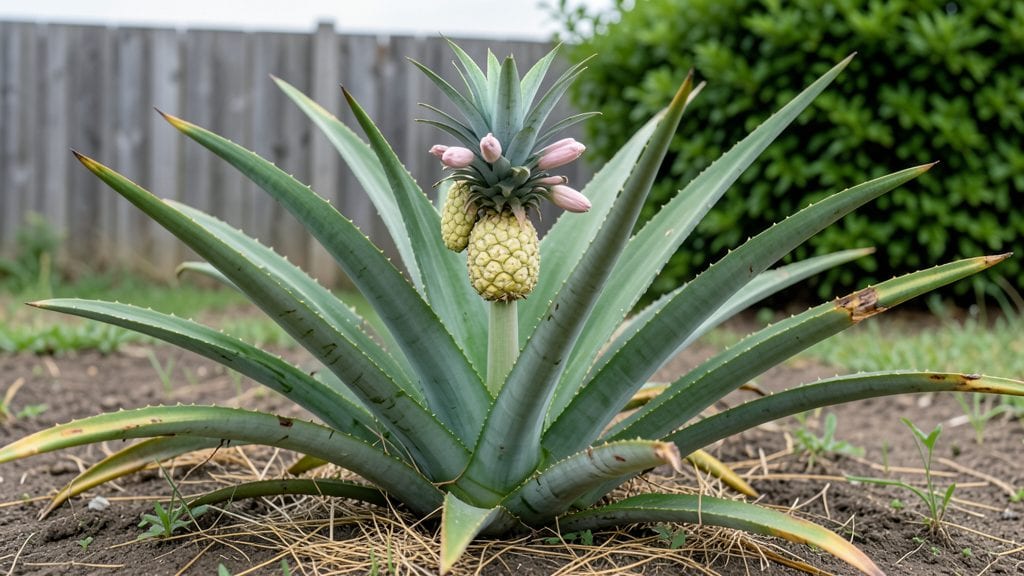
Forcing a pineapple plant 🍍 to bloom indoors unlocks a sweet surprise you can harvest right on your countertop.
Did you know your kitchen could soon host a tropical pineapple plant in full bloom—complete with edible fruit? Forcing a pineapple plant to flower indoors is easier than you think, and with the right techniques, you can trigger blooming in just six months.
Most people assume these plants only thrive in tropical climates, but with bright light, warmth, and a few strategic tricks, you can coax your pineapple into flowering even in cooler homes.
Below, I’ll walk you through the exact steps—from selecting the right crown to using ethylene gas and adjusting care—to turn your leafy green friend into a fruiting powerhouse.


How to force a pineapple plant to bloom indoors in 6 months
Growing a pineapple plant indoors is rewarding, but getting it to bloom and produce fruit requires precise care and a few clever tricks. The key lies in mimicking its tropical habitat while using ethylene gas exposure, temperature shifts, and light optimization to trigger flowering.
With these methods, you can coax your plant into bloom in just 6 months—even on a sunny windowsill!
Pineapple plants (Ananas comosus) naturally produce flowers in response to environmental stress signals, like temperature drops or ethylene gas (a plant hormone). Indoors, we recreate these conditions by adjusting care routines and using simple household items.
The process starts with selecting a healthy pineapple crown and ends with a vibrant flower spike ready for pollination!
Step-by-Step Guide to Forcing a Pineapple Plant to Bloom
-
Step 1: Select a Healthy Crown
Choose a fresh pineapple crown (top) with at least 2-3 inches of stem. Remove any dried leaves and let it dry for 24 hours to prevent rot.
-
Step 2: Root the Crown in Water
Place the crown in a jar of room-temperature water, ensuring only the base is submerged. Change water every 3-4 days until roots grow 1-2 inches long (about 3-4 weeks).
-
Step 3: Plant in Well-Draining Soil
Transfer the rooted crown to a 6-inch pot with cactus or bromeliad mix. Bury the base up to the first set of leaves to stabilize the plant. Water lightly to settle soil.
-
Step 4: Provide Bright, Indirect Light
Position the pot near a south-facing window or under grow lights (12+ hours/day). Rotate the pot weekly for even growth. Avoid direct midday sun to prevent leaf scorch.
-
Step 5: Trigger Ethylene Gas Exposure
Place an apple or ripe banana near the plant for 3-5 days to release ethylene gas, a natural flowering signal. Alternatively, use an ethylene-emitting fruit like a pear or avocado.
-
Step 6: Adjust Temperature for Blooming
Drop nighttime temperatures to 55-60°F (13-16°C) for 7-10 days to mimic seasonal changes. Use a cooling fan or move the plant to a cooler room. Daytime temps should stay at 75-85°F (24-29°C).
-
Step 7: Fertilize for Flowering
Switch to a balanced fertilizer (8-3-9 NPK) with high potassium to support flower development. Apply every 4-6 weeks during the blooming phase. Reduce watering slightly to stress the plant gently.
-
Step 8: Monitor for Flower Spike
Watch for a tight bud at the plant’s center—this signals the start of blooming! Once the flower spike emerges, move the plant back to warmer temps (70-80°F) to encourage fruit development.
After following these steps, your pineapple plant should produce a flower spike within 6 months. The blooms are stunning, with vibrant purple or red hues, and will eventually develop into a small, edible pineapple—though it may not be as large as grocery-store varieties.
If pollination fails, you can hand-pollinate using a cotton swab to transfer pollen between flowers.
Patience is key—pineapples are slow growers, but the process of forcing blooms indoors is incredibly rewarding. Once your plant flowers, maintain its care by keeping it in bright light, well-draining soil, and moderate humidity.
With the right conditions, you’ll enjoy fresh pineapple straight from your countertop in under two years!
Pro tip: If your plant doesn’t bloom after 6 months, repeat the ethylene exposure and temperature drop steps. Some pineapples need multiple triggers to flower, so don’t give up! 🍍
Best pineapple varieties for indoor blooming and their care requirements
Not all pineapple varieties respond equally to indoor forcing, but three stand out for their reliability: Smooth Cayenne, Red Spanish, and Queen. Each has unique traits that make them ideal for home growers aiming to trigger blooms.
The Smooth Cayenne, the most common commercial variety, blooms reliably indoors with proper care, while Red Spanish offers a sweeter fruit but requires slightly more patience. Meanwhile, Queen varieties are compact and perfect for small spaces, though they may take longer to flower.
Choosing the right variety depends on your space, timeline, and care capacity. For fastest results, Smooth Cayenne is your best bet, blooming in 6-12 months with consistent light and warmth. If you prefer a sweeter, smaller fruit, Red Spanish delivers—but expect a 12-18 month wait.
The Queen variety thrives in tight spaces but may need 18-24 months to flower. Each variety also has distinct light, water, and temperature preferences that directly impact blooming success.
The Smooth Cayenne variety is the most forgiving for beginners, thriving under bright indirect light like a south-facing window. Water it deeply once a week, ensuring the soil dries slightly between waterings to prevent root rot.
To trigger blooming, expose it to ethylene gas (from an apple or ripe fruit nearby) for 2-3 weeks while maintaining temperatures between 70-85°F. This variety also responds well to a 10°F temperature drop at night, mimicking tropical seasonal changes.
For the Red Spanish variety, you’ll need to simulate its native tropical climate more closely. Place it in direct sunlight for at least 6 hours daily, and increase watering to every 5-7 days during hot months.
Unlike Smooth Cayenne, this variety prefers a humidity level above 50%, so consider a pebble tray or humidifier. To encourage blooming, reduce nighttime temperatures to 65°F for 2 weeks while keeping daytime warmth consistent.
The Queen variety is ideal for small spaces but requires patience. It tolerates lower light conditions (4-6 hours of bright light), making it perfect for east-facing windows or under grow lights. Water less frequently—every 2 weeks—and use a well-draining mix to prevent soggy soil.
To trigger blooming, remove 2-3 lower leaves to expose the crown and place the plant under 12-hour grow lights daily. This variety often blooms in response to consistent light cycles rather than temperature shifts.
Regardless of variety, all pineapples need well-draining soil mixed with perlite or sand to prevent root rot. Use a balanced fertilizer (8-3-9 NPK) every 6 weeks during active growth, and reduce feeding once flowering begins.
With the right variety and care, you’ll be enjoying a homegrown pineapple bloom in as little as 6 months—and possibly fruit within a year!