Size
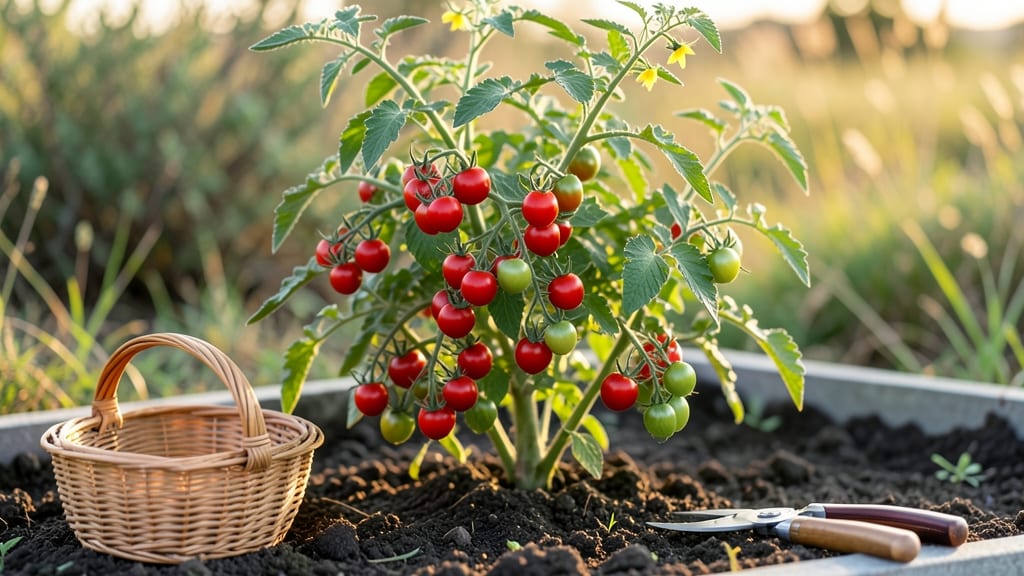
Growing your own food from plants delivers meals straight from your backyard in record time. ✨ I’ve turned my patio into a mini farm where basil grows in three weeks and lettuce is ready in just 25 days—no waiting months for store-bought produce.
The trick isn’t luck, but knowing which plants thrive fastest and how to coax them along.
Start with the speediest crops: radishes, spinach, and green onions mature in under a month, while tomatoes and peppers deliver fruit within 60 days. You’ll need rich soil, consistent water, and at least six hours of sunlight daily—but the payoff is fresh food without the grocery store markup.
Even small spaces work with containers or raised beds.
By mid-summer, you’ll be harvesting crisp greens, juicy tomatoes, and fragrant herbs that taste better than anything bought. The secret is spacing plants right, watering deeply but not drowning them, and snipping leaves to encourage bushier growth.
This isn’t just gardening; it’s a shortcut to a pantry full of homegrown goodness.
Works for beginners, balconies, or backyard plots—no green thumb required. Let’s get those seeds in the ground and start eating what you grow!
📚 In This Guide
- What you need
- Instructions
- Tips and common mistakes
- Wrapping up and next steps
What you need
- ● Containers: 5–10-gallon pots (or raised beds) with drainage holes (1–2 per plant, depending on size). Pro tip: 💡 Use recycled containers like buckets or old tires!
- ● High-quality potting mix: 1–2 bags (sterile, well-draining blend with compost or coconut coir). Skip garden soil—it’s too dense!
- ● Seeds or seedlings: Fast-growing options: Lettuce, radishes, green onions, or bush beans (packets of 10–20 seeds per variety).
- ● Herbs: Basil, cilantro, or mint (5–10 plants).
- ● Watering can or hose with a gentle nozzle: 1–2 (avoid overwatering—aim for consistent moisture, not soggy soil!).
- ○ Fertilizer: Balanced organic fertilizer (e.g., 10-10-10) or compost tea. Optional: Slow-release pellets for convenience.
- ● Grow lights (if indoors): 1–2 LED full-spectrum bulbs (12–16 hours/day).
- ● Gloves & kneeling pad: 1 pair (for comfort and hygiene!).
- ● Soil test kit: Check pH (ideal: 6.0–7.0 for most plants).
- ● Mulch: Straw or shredded leaves to retain moisture.
- ● Trellis or stakes: For vining plants like cucumbers or peas.
- ● Plant markers: Labels to track varieties (DIY with popsicle sticks!).
- ● Spray bottle: For misting seedlings or deterring pests.
Instructions: fast food harvests from your home garden
Here’s how to grow edible plants that deliver quick rewards—no waiting months for payoff.
🌱 Step 1: Pick the Right Fast-Growing Crops
Focus on plants with short harvest times—think bush beans (50 days), radishes (25 days), leaf lettuce (30 days), or green onions (60 days). These are the crowd-pleasers that give you food fast. I avoid slow growers like carrots or cabbage—they’re great, but not for impatient harvests.
Check seed packets for days-to-harvest labels. If it’s under 60 days, you’re golden. Plant these in 4-inch pots or 12-inch garden beds—small spaces work perfectly for quick turns. The key is high density: radishes can share space with leafy greens, while beans climb trellises to save ground.
💧 Step 2: Prep Soil for Speed
Use the 3 gallons of potting mix (or garden soil amended with 1 cup compost) to create loose, nutrient-rich beds. Packed soil slows growth—you want roots to spread easily. I mix in a tablespoon of balanced fertilizer (10-10-10) per square foot to jumpstart plants.
Moisten the soil until it’s damp like a wrung-out sponge—not soggy, not dry. Test by squeezing a handful: if water drips out, it’s too wet. If it crumbles, add more moisture. Fast growers hate soggy roots but also won’t wait for dry soil to wake up.
☀️ Step 3: Plant and Water for Instant Growth
Sow seeds ½ inch deep (or transplant seedlings) in rows 6 inches apart for leafy greens, 1 inch apart for radishes. Water deeply right after planting—this settles soil around roots and kickstarts germination. I use a watering can with a fine rose to avoid blasting seeds away.
Keep soil consistently moist (not waterlogged) until sprouts appear. Most fast crops emerge in 3-7 days. Watch for first true leaves (not the tiny seed leaves)—that’s your signal to reduce water slightly. Overwatering now causes rot before plants even get a chance to thrive.
✂️ Step 4: Harvest at Peak Speed
Check plants daily starting at half the expected harvest time. Radishes? Pull one at 20 days to test size. Lettuce? Snip outer leaves when they’re 3-4 inches tall—the plant keeps producing. Beans? Harvest when pods are firm and bright green—waiting makes them tough.
Use clean scissors or fingers to avoid damaging plants. For leafy greens, cut just above the lowest set of leaves so regrowth happens fast. For radishes, pull entire plants—more seeds mean more fast harvests next time. The goal is continuous yield, not one-and-done bounty.
🌿 Step 5: Rotate for Nonstop Fast Food
After harvesting one crop, replant the same spot immediately with another quick grower. Succession planting keeps your garden productive year-round. I’ll follow radishes with bush beans, then spinach—each cycle takes 30-60 days and delivers fresh food.
Use the 1 packet of seeds (or saved seeds) to stagger plantings every 2 weeks. This ensures you’re always eating homegrown within 30 days of planting. The secret? Never let a square foot sit empty—fill gaps with microgreens or arugula for instant greens in 10 days.
Tips & tricks for fast home garden harvests
Real talk: Fast harvests aren't luck—they're about strategy. Here's how to turn your garden into a speedy food factory.
Speed Up Germination: To get those first sprouts in just 3-7 days, try soaking seeds overnight before planting. Place them in a damp paper towel, seal in a bag, and keep warm (like on top of your fridge). This can cut germination time in half for radishes and beans. Just don't forget to plant them immediately after they sprout!
Harvest Hack for Continuous Yield: In Step 4, when harvesting leafy greens, cut just above the lowest set of leaves—this triggers regrowth. For radishes, pull one at 20 days to test size, then harvest the rest when they're all ready. This ensures you're not waiting weeks for a single harvest. The secret to nonstop food is never letting a square foot go empty!
Soil Temperature Boost: Fast growers need warm soil to thrive. If your garden soil feels cool, cover it with black plastic or use a seedling heat mat for 24 hours before planting. This jumpstarts growth, especially in spring or fall when soil temps lag. Your radishes and beans will thank you with earlier harvests.
Succession Planting Timing: That 2-week planting interval in Step 5 is your secret weapon. Set a calendar reminder every 14 days to replant the same spot with another quick crop. This ensures you're always within 30 days of a fresh harvest. I've planted lettuce, then radishes, then beans in the same spot—each ready in record time.
Pro Tips for Plant Grow Food
- Real talk: Fast harvests aren't luck—they're about strategy. Here's how to turn your garden into a speedy food factory.
- Speed Up Germination: To get those first sprouts in just 3-7 days, try soaking seeds overnight before planting.
- Harvest Hack for Continuous Yield: In Step 4, when harvesting leafy greens, cut just above the lowest set of leaves—this triggers regrowth.
Frequently asked questions
Got questions about growing your own plant-based food? You’re not alone!
Here are some of the most common queries—and quick, actionable answers—to help you crush your home garden goals.
How soon can I expect to harvest food from my plants?
Timing depends on the plant! Fast growers like green onions or radishes can be ready in 3–4 weeks, while leafy greens (spinach, kale) take 4–6 weeks. Tomatoes, peppers, and herbs may need 6–12 weeks. Check seed packets for exact harvest windows—patience pays off!
What’s the fastest way to grow food with limited space?
Opt for vertical gardening (herbs, strawberries) or container farming (bush beans, lettuce). Use fast-maturing varieties (e.g., baby carrots, bok choy) and succession plant—sow new seeds every 2–3 weeks to keep harvests rolling. Even a sunny windowsill can yield microgreens in 1–2 weeks!
Why are my plants wilting or dying despite regular watering?
Overwatering is a top culprit! Ensure pots have drainage holes and water only when the top 1 inch of soil is dry. Wilting can also signal nutrient deficiencies (yellow leaves = nitrogen; brown edges = calcium). Check soil pH (aim for 6.0–7.0) and fertilize lightly with compost tea or balanced organic fertilizer.
Can I grow food indoors without sunlight?
Use a grow light (LED or fluorescent) 12–16 hours/day for plants like basil, mint, or microgreens. Place lights 2–4 inches above seedlings and adjust as plants grow. South-facing windows work for low-light lovers (e.g., Swiss chard, parsley), but supplement with light for best results.
What’s the easiest first food to grow for beginners?
Start with herbs (basil, cilantro, parsley)—they’re forgiving and thrive in pots. Leaf lettuce and radishes are also beginner-friendly, sprouting in 3–4 weeks with minimal fuss. Avoid finicky crops like artichokes or asparagus until you’ve mastered the basics!
How do I reuse garden soil after a harvest?
Refresh used soil with compost (25–50%) and a balanced fertilizer (5-5-5 or 10-10-10). Test for pests/diseases—sterilize with baking soda (1 tbsp/gallon of water) if needed. Rotate crops yearly to prevent soil depletion (e.g., swap tomatoes with beans). Worm castings are a great organic boost!
Wrapping up and next steps
Growing your own plant-based food isn’t just rewarding—it’s empowering. 🌱 Whether you’re nurturing herbs in a sunny windowsill or cultivating a full garden, these fast-harvest secrets make fresh, homegrown meals a reality. Start small, stay consistent, and watch your green thumb flourish!
Ready to dive in? Pick one plant from this guide and begin your journey today—your future self (and taste buds) will thank you!