
Propagation
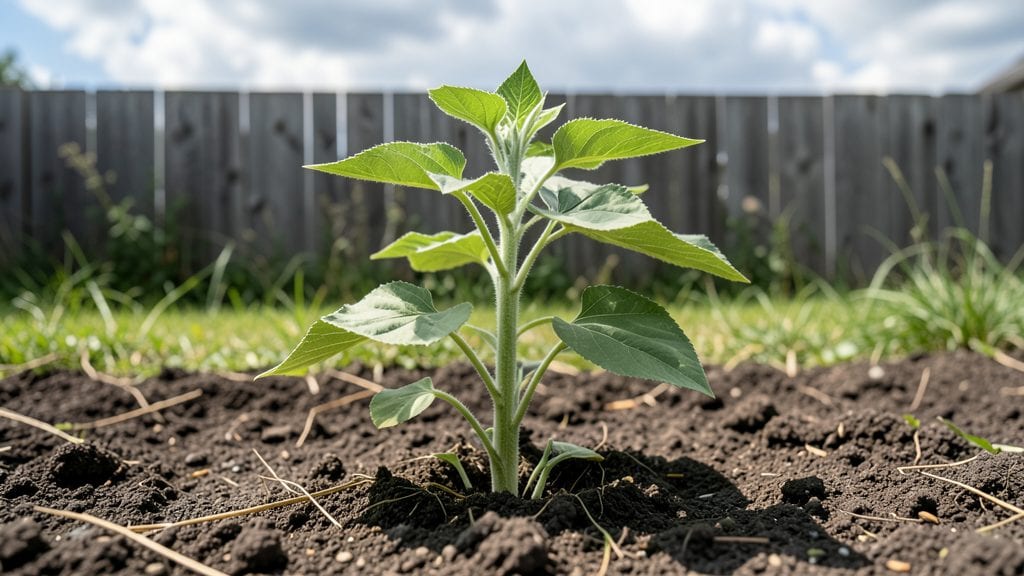
Planting sunflower seeds is the first step toward growing those 10-foot giants you’ve always admired—but the real magic happens in the first few weeks.
I’ve watched my own seeds go from tiny specks to towering stalks in just 60 days, and the secret isn’t luck, it’s timing, soil, and a little patience.
The moment those first green shoots crack through the soil is unforgettable, and with the right care, you’ll see your own sunflowers racing skyward.
Start with well-draining soil mixed with compost—sunflowers hate soggy roots. Plant seeds about 1 inch deep and 6 inches apart in rows, since they’ll spread fast.
A sunny spot with at least 6-8 hours of light daily is non-negotiable, and watering deeply once a week (not daily) keeps them strong without drowning them. The biggest mistake beginners make?
Overwatering or planting too close—crowded seeds fight for nutrients, and you end up with weak, leggy plants instead of sturdy stalks.
By day 7, you’ll spot those first paper-thin leaves pushing up—this is when the real work begins. Keep the soil moist but not waterlogged, and watch as the plants grow 2-3 inches per day in ideal conditions.
Within 3 weeks, you’ll see the iconic sunflower buds forming, and by late summer, you’ll be snapping photos of your towering blooms. The key is consistency: stick to the watering schedule, and those stems will stay strong enough to support their own weight.
Sunflowers are forgiving plants, but they do have their quirks—like needing extra support if storms roll in or adjusting for your local climate. If you’re in a hot, dry area, mulch helps retain moisture, while cooler zones might need a little extra warmth.
Either way, the payoff is worth it: a garden that turns heads and fills your kitchen with sunflower seeds for next year’s planting. Let’s get those sprouts growing!
📚 In This Guide
- What you need
- Instructions
- Tips and common mistakes
- Wrapping up and next steps
What you need
- ● Sunflower seeds: 10–20 heirloom or hybrid varieties (e.g., 'Mammoth' or 'Autumn Beauty'), untreated for best germination.
- ● Containers: 2–3 biodegradable pots (3–4" diameter) or a seed-starting tray with drainage holes.
- ● Potting mix: 1–2 bags of seed-starting mix (sterile, lightweight, and peat-based for optimal drainage).
- ● Watering can or spray bottle: With a fine mist nozzle to avoid disturbing seeds.
- ● Grow lights or sunny window: A full-spectrum LED grow light (12–16 hrs/day) or a south-facing window (6+ hrs sunlight).
- ● Plant labels: Small stakes or markers to track varieties (especially if testing multiple seeds!).
- ● Heating mat: A seedling heat mat (70–75°F) to speed up germination in cooler climates.
- ● Fertilizer: A balanced, water-soluble fertilizer (5-10-5 ratio) for transplanting (dilute to half-strength).
- ● Trowel or spoon: For gently pressing seeds into soil without crushing them.
- ● Humidity dome: A clear plastic cover to retain moisture during early sprouting (remove after germination).
Instructions for fast sunflower sprouting and growth
Here’s how to coax those sunflower seeds into sprouting within days and growing strong.
Prepare the Soil for Optimal Germination
Sunflower seeds need loose, well-draining soil to send roots down quickly. Mix the 2 gallons of potting mix with 1 cup perlite to improve aeration—this prevents the soil from compacting around delicate sprouts. Fill your 4-inch pots with this blend, leaving about ½ inch of space at the top to avoid spills during watering.
Press the soil down lightly with your fingers until it’s firm but not packed. You want it to hold its shape when squeezed but still feel light. This balance ensures roots can push through easily while keeping moisture in place. I like to tap the pots gently on the table once to settle everything evenly.
Plant Seeds at the Right Depth and Spacing
Drop 1 sunflower seed into each pot, placing it ½ inch deep—this is key for fast germination. Planting too deep forces the seedling to work harder to reach the surface, slowing everything down. Cover the seed with a thin layer of soil, then water gently until the surface feels damp but not soggy.
Space the pots 6 inches apart if planting multiple seeds outdoors later. For now, keep them close together in a warm, sunny spot. You’ll see the first sprouts in 3-5 days if conditions are right—watch for tiny green tips pushing through the soil.
Keep Soil Warm and Moist for Speed
Sunflower seeds germinate fastest in 75-80°F soil. Place the pots on a seedling heat mat or in a warm spot like the top of your fridge to maintain this temperature. Check the soil daily—it should stay consistently moist but never waterlogged. Overwatering can suffocate seeds, while dry soil slows sprouting.
If you’re using a humidity dome, remove it as soon as sprouts appear to prevent mold. Once the first leaves (true leaves, not the initial seed leaves) emerge, move the pots to a sunny windowsill or under grow lights for 12-14 hours a day. This ensures sturdy growth instead of leggy, weak stems.
Thin Seedlings and Support Growth
If more than one seed sprouts in a pot, thin to the strongest seedling by snipping the others at the base with clean scissors. This prevents competition for nutrients and gives your sunflower room to grow tall. After thinning, water deeply at the base to encourage roots to spread.
When seedlings reach 6 inches tall, insert a sturdy stake or bamboo support into the soil beside each plant. Tie the stem loosely to the stake with soft plant ties as it grows—this prevents bending in wind or rain. Sunflowers grow 2-3 inches per day once established, so keep an eye on them!
Feed and Protect for Towering Blooms
After 4 weeks, when the first true leaves appear, mix 1 tablespoon of 10-10-10 fertilizer into the soil or apply it as a liquid feed. This boosts growth without overwhelming tender roots. Water at the base in the morning to let foliage dry before evening, reducing disease risk.
If pests appear, spray with neem oil—it’s safe and effective. Keep the soil moist but not soggy, and rotate the pots occasionally so plants grow straight toward the light. With these steps, you’ll have 8-foot-tall sunflowers in just 8-10 weeks!
Tips & tricks for fast sunflower sprouting
Speed up your sunflower growth with these practical tips that turn days into weeks of towering progress.
Soil Preparation Matters: When mixing the 2 gallons of potting mix with 1 cup perlite, sift both ingredients through a fine-mesh sieve first. This removes clumps that could create air pockets where seeds might rot. I also recommend adding a handful of worm castings to the mix—it provides natural nutrients that jumpstart root development. The goal is to create a fluffy, airy medium that mimics the loose soil sunflowers love in their natural habitat.
Planting Depth is Critical: The ½-inch planting depth mentioned in Step 2 is non-negotiable for fast germination. Use a ruler or pencil to mark the depth before planting—this ensures consistency across all seeds. Press the soil gently around the seed to eliminate air gaps, then water with a spray bottle until the surface feels like a damp sponge. Too-deep planting forces seeds to work harder, delaying those first green shoots you're eagerly waiting for.
Heat Management for Speed: Maintaining that 75-80°F soil temperature is where the magic happens. If you don't have a heat mat, try placing your pots on top of your refrigerator during the day—the appliance generates just enough warmth. For nighttime, move them to a sunny windowsill. I've found that using a small thermometer probe in the soil helps monitor temperature without guesswork. Remember, cooler soil means slower germination—those seeds need warmth to activate their growth hormones.
Light Transition Strategy: When moving seedlings to 12-14 hours of light after the first true leaves appear, do it gradually over 3-4 days. Start with just 2 hours of direct light and increase daily. This hardening process prevents sunburn on tender leaves. Place your grow lights about 6 inches above the seedlings and adjust as they grow—maintaining this distance ensures even, strong growth without legginess. The goal is sturdy stems that can support those eventual 8-foot towers.
Pro Tips for Planted Sunflower Seeds
- Speed up your sunflower growth with these practical tips that turn days into weeks of towering progress.
- Soil Preparation Matters: When mixing the 2 gallons of potting mix with 1 cup perlite, sift both ingredients through a fine-mesh sieve first.
- Planting Depth is Critical: The ½-inch planting depth mentioned in Step 2 is non-negotiable for fast germination.
Frequently asked questions
Got questions about growing sunflowers from seeds?
You’re not alone! Here are answers to the most common queries to help you cultivate those stunning blooms with confidence.
When is the best time to plant sunflower seeds?
Sunflowers thrive in warm soil, so plant seeds after the last frost when temperatures consistently stay above 50°F (10°C). For most U.S. regions, this means late spring (April–June). If you’re in a short-season area, opt for early-maturing varieties (like ‘Mammoth’ or ‘Autumn Beauty’) to ensure blooms before frost.
How long does it take for sunflower seeds to sprout?
Sunflower seeds typically sprout in 7–14 days under ideal conditions (warm soil, consistent moisture, and sunlight). If germination takes longer, check for overwatering (which can rot seeds) or cold soil. A quick fix? Cover seeds with a thin layer of soil (½ inch deep) and keep them warm!
Can I grow sunflowers indoors or in containers?
Sunflowers adapt well to containers if given enough space—aim for at least 12-inch-deep pots for dwarf varieties or 24+ inches for giants. Place them in a sunny window or under grow lights (6+ hours/day). Just ensure the container has drainage holes to prevent root rot.
Why aren’t my sunflower seeds sprouting? Troubleshooting tips.
If your seeds refuse to sprout, try these fixes:
- Check seed viability: Test a few seeds in a damp paper towel—if they don’t sprout in 5–7 days, they may be old or stored improperly.
- Adjust soil temperature: Sunflowers need soil at 70–85°F (21–29°C). Use a seedling mat or move pots to a warmer spot.
- Replant shallowly: Some gardeners bury seeds too deep. Try ½ inch deep for faster germination.
- Rule out pests: Mice or birds might have dug them up! Try planting in mesh-covered trays or use a light mulch.
Do sunflowers need full sun, or can they tolerate partial shade?
Sunflowers love full sun (6–8+ hours daily), but they’ll survive in partial shade (4–6 hours) with slightly shorter stems and smaller blooms. If growing in shade, choose dwarf varieties like ‘Teddy Bear’ or ‘Sunspot’ for better results. Rotate plants occasionally to ensure even light exposure.
Wrapping up and next steps
Growing sunflowers from seeds is a rewarding journey that brings joy and beauty to your garden! 🌻 With the right soil, sunlight, and care, you’ll soon be watching those towering blooms reach for the sky.
Don’t let a few challenges discourage you—every gardener starts somewhere, and your sunflowers will thrive with patience and love.
Ready to take the next step? Start small—plant a few seeds this weekend and track their progress. Before you know it, you’ll be sharing your sunflower success with neighbors or even expanding your garden. Happy planting!