
Pruning
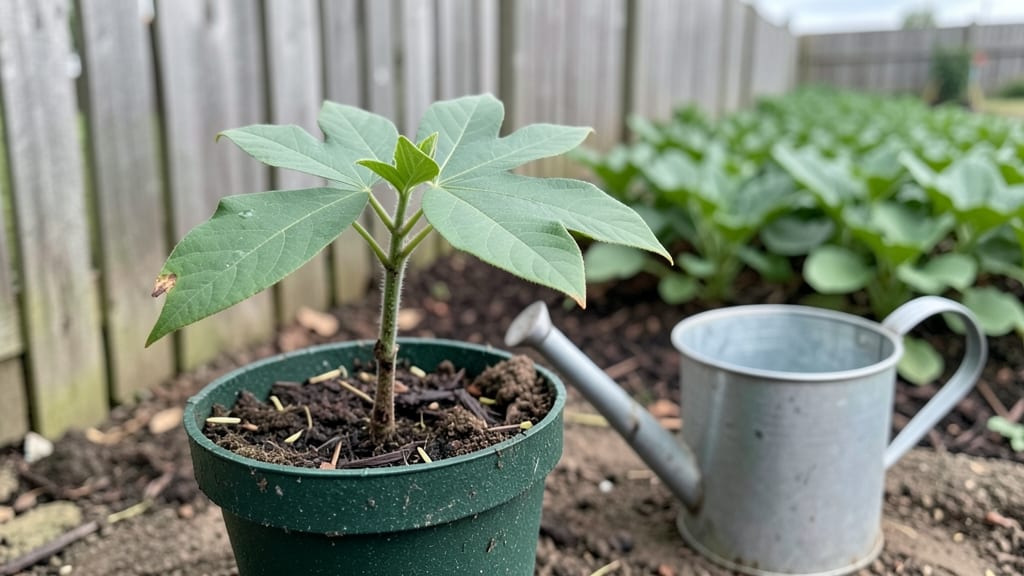
Planting a buckeye tree in the right sunny spot can turn your yard into a showstopper within just a few seasons. 🌱 I’ve watched mine shoot up 12 inches a year once the roots get settled—all because I picked a spot with full sun and well-draining soil.
The key isn’t just digging a hole; it’s about giving those roots the perfect launchpad from day one.
You’ll need a 6-foot-deep hole (yes, that deep!) and a mix of native soil with compost to break up clay or sandy spots. Buckeyes hate soggy feet, so if your yard holds water, add a 4-inch layer of gravel at the bottom.
Planting in early spring gives roots time to establish before summer heat, while fall planting works in cooler zones like 5-8.
Once planted, water deeply twice a week for the first month to encourage root spread. Mulch around the base to lock in moisture, but keep it 3 inches away from the trunk—too close can smother the tree.
By year two, you’ll see those iconic compound leaves unfurling, and the tree will start flexing its fast-growing muscles.
Here’s the secret weapon: stake it temporarily if your area gets high winds, but don’t let the stake touch the trunk. Most mistakes—like planting too deep or skipping drainage—show up in stunted growth or leaf scorch. Fix those early, and you’re set for a buckeye that outpaces expectations every year.
📚 In This Guide
- What you need
- Instructions
- Tips and common mistakes
- Wrapping up and next steps
What you need
- ● Buckeye tree sapling: Choose a healthy 1–3 gallon container-grown seedling (native to your region for best results).
- ● Shovel: A sturdy, medium-sized digging spade (18–24 inches long).
- ● Garden gloves: Durable, well-fitted gloves to protect your hands.
- ● Mulch: 2–3 inches of organic mulch (wood chips, pine straw, or compost).
- ● Watering can or hose: With a gentle spray nozzle for hydration.
- ○ Soil amendment (optional): Compost or well-rotted manure to improve soil quality.
- ● Measuring tape: To mark planting depth (2–3 times the root ball’s height).
- ● Pruning shears: For trimming dead branches (if needed).
- ○ Staking kit (optional): If planting in windy areas (2 stakes + twine).
- ○ Tree guard (optional): A protective wrap to shield young trunks from pests.
- ○ pH testing kit (optional): To check soil acidity (buckeyes prefer slightly acidic to neutral soil, pH 6.0–7.0).
Step-by-step instructions for planting a buckeye tree
Here's how to get your buckeye tree off to a flying start with deep roots and rapid growth.
🌱 Step 1: Choose the Perfect Planting Spot
Buckeye trees thrive in full sun—at least 6-8 hours daily—so pick a location with southern or western exposure. Avoid low spots where water pools after rain, as buckeyes hate soggy roots. I always test the site by digging a 12-inch deep hole first—if water lingers more than 15 minutes, amend the soil with 2-3 inches of compost to improve drainage.
Check the mature size of your buckeye variety—most reach 20-40 feet tall—and give it plenty of horizontal space. Plant at least 15 feet from structures to prevent root conflicts later. The best spot balances sun exposure, drainage, and future growth room.
🪴 Step 2: Prepare the Planting Hole and Amend Soil
Dig a hole twice as wide as the root ball but no deeper—buckeyes grow best when planted at the same depth they were in the nursery. Loosen the soil at the bottom with a shovel to encourage root spread. If your soil is heavy clay, mix in 1 part compost to 3 parts native soil to improve aeration.
Gently remove the tree from its container and tease apart any circling roots with your fingers. This prevents girdling as the tree matures. Place the tree in the hole so the top of the root ball sits 1-2 inches above ground level—settling will occur over time. The trunk flare (where roots meet the trunk) should be visible above the soil line.
💧 Step 3: Plant and Water for Immediate Root Contact
Backfill the hole with native soil, tamping down gently in layers to eliminate air pockets. Avoid compacting the soil too firmly—you want roots to penetrate easily. Create a 2-inch high berm around the outer edge of the hole to direct water toward the roots during watering.
Water deeply right after planting—10-15 gallons for a small tree—to settle the soil and encourage root contact. Keep watering every 2-3 days until the tree establishes, checking that the soil stays 2-3 inches deep moist. Mulch with 2-3 inches of wood chips (keeping mulch 6 inches away from the trunk) to retain moisture and regulate soil temperature.
☀️ Step 4: Stake Only If Necessary and Prune for Shape
Buckeye trees rarely need staking unless they're in exposed, windy locations. If you do stake, use two stakes placed 6-12 inches from the trunk and tie the tree loosely with soft fabric strips—never wire, which can girdle the trunk. Remove stakes after 6-12 months to encourage natural strength.
Prune only to remove any broken branches or crossing limbs that could rub together. Avoid heavy pruning now—buckeyes respond better to shaping in late winter. Focus on keeping the tree's natural form while it establishes. The first year is about root growth, not foliage production.
⏰ Step 5: Monitor and Maintain for Fast Establishment
Check the soil moisture weekly by sticking your finger 2 inches deep—water when it feels dry. Buckeyes are drought-tolerant once established, but young trees need consistent moisture. Fertilize lightly in spring with ½ cup of 10-10-10 granular fertilizer spread over the root zone, then water thoroughly to activate the nutrients.
Watch for signs of stress like yellowing leaves or wilting—these usually mean either too much water (roots suffocating) or too little (roots drying out). Buckeyes grow fastest in 60-80°F soil temperatures, so if your area has hot summers, water more frequently to keep roots cool. With proper care, you'll see 12-24 inches of new growth in the first year.
Tips & tricks for planting a buckeye tree
Here's what I learned after planting my first buckeye tree—and how to avoid the mistakes I made.
The Sunlight Factor: That 6-8 hours of sun is non-negotiable! I planted mine in a spot that looked sunny but got afternoon shade from a neighbor's tree. After a year of slow growth, I moved it to full sun and saw 18 inches of new growth in just 6 months. Use a sun tracker app for a week to map your yard's sunlight patterns before planting.
Root Ball Depth Secret: The instructions mention planting with the root ball 1-2 inches above ground, but here's the thing: I always double-check by looking for the trunk flare (where roots meet trunk). If it's buried, the tree will struggle. Pro tip: Draw a line on the pot at the flare level before planting to ensure perfect placement.
Watering Wisdom: Those 10-15 gallons of initial watering can be overwhelming, but trust me on this—it's worth the effort. I used a garden hose with a slow setting to avoid erosion. For the 2-3 day watering schedule, I set a timer to remind myself because young buckeyes won't tell you when they're thirsty. A moisture meter is a game-changer for tracking that 2-inch deep moisture level.
Soil Temperature Tip: The 60-80°F soil temperature range is crucial for fast root growth. In hot climates, water more frequently to keep roots cool—think of it like giving your tree a cool drink. I mulch with wood chips to help maintain that ideal temperature range. If your soil runs cooler (common in spring/fall), consider using black plastic mulch to warm the roots.
Pro Tips for Planting A Buckeye Tree
- Here's what I learned after planting my first buckeye tree—and how to avoid the mistakes I made.
- The Sunlight Factor: That 6-8 hours of sun is non-negotiable!
- Root Ball Depth Secret: The instructions mention planting with the root ball 1-2 inches above ground, but here's the thing: I always double-check by looking for the trunk flare (where roots meet trunk).
Frequently asked questions
Got questions about buckeye trees?
Here are answers to the most common ones—from planting to care—so you can grow a thriving tree with confidence!
When is the best time to plant a buckeye tree?
The ideal time is early spring (just as new leaves emerge) or fall (6–8 weeks before your first frost). This gives roots time to establish before extreme heat or cold. Avoid planting in summer—young trees struggle with drought stress!
How deep and wide should I dig the hole?
Dig a hole twice as wide as the root ball but only as deep—never deeper—to prevent waterlogging. Loosen the soil at the bottom to encourage root spread. Pro tip: Amend the native soil with compost for better drainage and nutrients.
Why isn’t my buckeye tree growing after planting?
Slow growth often means poor drainage, compacted soil, or underwatering. Check for:
- Yellowing leaves = overwatering or root rot.
- Brown, crispy leaves = underwatering or drought stress.
- No new leaves = nutrient deficiency (try a balanced fertilizer).
Buckeyes are tough but need well-draining soil—amend clay soil with sand or compost.
Can I plant a buckeye tree in a container?
Yes! Use a large pot (at least 20 gallons) with drainage holes and a fast-draining mix (60% potting soil, 30% perlite, 10% compost). Repot every 2–3 years and move it outdoors in warm months. Container buckeyes thrive in USDA Zones 3–9 but need winter protection in colder areas.
Are there non-toxic buckeye alternatives for pets?
While buckeye seeds and leaves are toxic to pets (causing vomiting or drooling), consider these pet-safe shade trees:
- Japanese Maple (non-toxic, stunning foliage)
- Crapemyrtle (drought-tolerant, colorful blooms)
- Serviceberry (edible berries, beautiful spring flowers)
Always research before planting—some trees have specific toxic parts (e.g., leaves vs. bark).
Wrapping up and next steps
Planting a buckeye tree is a rewarding project that brings beauty, shade, and ecological benefits to your landscape! 🌱 By choosing the right location, preparing the soil, and providing consistent care, you’ll set your tree up for strong roots and fast growth.
Whether you’re a gardening novice or a seasoned green thumb, these steps make success simple—and the results are worth every effort.
Now that you’re ready to plant, take the next step! Mark your calendar for watering reminders, monitor your tree’s progress, and enjoy watching it thrive. Happy planting! 🌳✨