Trees
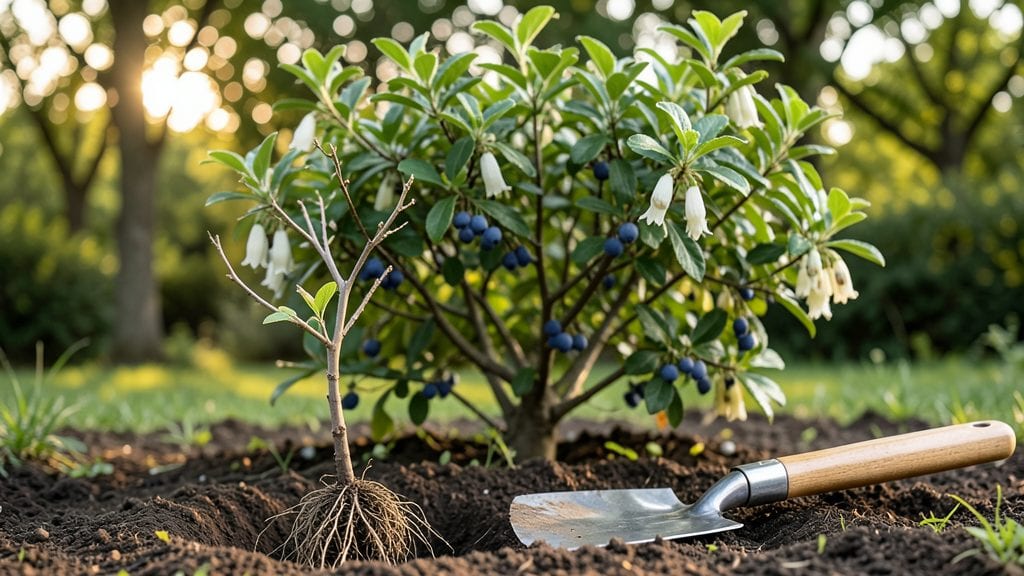
Planting blueberry trees in soil with the right acidity is the secret to those deep blue, sweet berries you see in grocery stores—but I’ll show you how to grow them even better in your own yard. 🌿 The key isn’t just the soil; it’s the whole setup: sunlight, spacing, and watering all work together to turn your backyard into a berry patch.
I’ve planted three varieties now, and the difference between a thriving bush and a struggling one comes down to these early steps.
You’ll need a spot with at least 6 hours of sunlight daily, soil that tests between 4.5 and 5.5 pH, and either a raised bed or amendments like sulfur and peat moss to adjust acidity.
Container planting works too—just pick a pot at least 2 feet wide and deep and use an acid-loving mix. The biggest mistake? Skipping the soil test or assuming your yard’s soil is acidic enough. (Spoiler: Most isn’t.)
After planting, keep the soil moist but not soggy for the first two weeks, then taper off to 1 inch of water per week. Mulch with pine needles or wood chips to maintain acidity and suppress weeds.
By year two, you’ll start seeing buds—and if you’ve nailed the soil prep, those first berries will be sweeter and bigger than anything you’ve bought. The payoff? A harvest that lasts from mid-summer through fall.
This works for both northern and southern climates, though southern gardeners should choose late-harvest varieties to avoid heat stress. Even if you’ve failed before, blueberries are forgiving once you get the soil right. Let’s get those roots in the ground—and those berries on the vine.
📚 In This Guide
- What you need
- Instructions
- Tips and common mistakes
- Wrapping up and next steps
What you need
- ● Blueberry plants: 1–3 dwarf (3–4 ft tall) or semi-dwarf (5–6 ft tall) bushes per variety (e.g., 'Bluecrop,' 'Duke,' or 'Jersey'). Note: Plant at least two bushes for cross-pollination (unless growing self-pollinating varieties like 'Top Hat').
- ● Bare-root or container-grown plants (bare-root is cheaper; container-grown is easier for beginners).
- ● Soil amendments: 5–10 lbs peat moss or pine bark fines (per bush) to lower pH and improve drainage.
- ● 1–2 lbs sulfur (per bush) to acidify soil (if pH > 5.0).
- ● 1 lb compost or well-rotted manure (per bush) for nutrients.
- ● Fertilizer: 1 lb acid-loving plant fertilizer (e.g., 10-10-10 or 8-3-9 with micronutrients) or cottonseed meal (5 lbs per 100 sq ft).
- ● Tools: Shovel or trowel (for digging holes).
- ● Garden gloves (to protect your hands!).
- ● Pruners (sterilized with rubbing alcohol).
- ● pH test kit (to check soil acidity—aim for 4.5–5.5).
- ● Watering can or hose with a gentle spray nozzle.
- ● Mulch: Pine needles or wood chips (2–3 inches thick) to retain moisture and acidify soil over time.
- ● Epsom salt (1 tbsp per bush annually) for magnesium boost.
- ● Drip irrigation system (for consistent watering in dry climates).
- ● Bird netting (to protect ripe berries from peckish visitors!).
- ● Soil probe or moisture meter (to monitor root-zone hydration).
Step-by-step instructions for planting blueberry trees
This is how I plant blueberries—acid soil, perfect spacing, and a few tricks to ensure strong starts.
🌱 Step 1: Prepare the Planting Site
Blueberries thrive in acidic soil (pH 4.5-5.5), so test your soil first. If it’s too alkaline, amend with peat moss or sulfur—I mix in about 3 pounds per 100 square feet of garden area. Choose a spot with full sun (6+ hours daily) and well-draining soil. If your yard has clay, dig in compost or sand to improve drainage.
Dig a hole twice as wide and just as deep as the root ball. Loosen the sides of the hole to encourage root spread. Avoid disturbing the roots when removing the tree from its container—gently squeeze the sides if needed. This ensures the roots aren’t circling or damaged, which can stunt growth.
💧 Step 2: Plant and Water Deeply
Place the blueberry tree in the hole so the top of the root ball sits 1 inch above ground level. This prevents water from pooling around the stem, which can rot the plant. Backfill with the amended soil, tamping gently as you go to remove air pockets. Water thoroughly until the soil is evenly moist to a depth of 12 inches.
Mulch around the base with 3-4 inches of pine straw or wood chips, keeping it 3 inches away from the trunk to prevent rot. Water again after mulching to settle everything in. The first few weeks are critical—keep the soil consistently moist but never soggy. You’ll see new growth within 4-6 weeks if planted correctly.
☀️ Step 3: Maintain Acidic Soil and Light
Blueberries need constant acidity, so apply ammonium sulfate or peat moss annually in early spring. I spread about ½ pound per tree and lightly scratch it into the top inch of soil. Avoid lime or wood ash—they raise pH and kill your plants. Prune in late winter to remove dead wood and shape the tree, focusing on open growth for better air circulation.
Watch for yellowing leaves, which often signals high pH. If this happens, test the soil again and re-amend if needed. Blueberries also need consistent moisture, especially during fruit set. Drip irrigation works best—it delivers water directly to the roots without wetting the foliage, reducing disease risk.
⏰ Step 4: Fertilize and Monitor Growth
Use a balanced, acid-loving fertilizer like 10-10-10 in early spring, but cut back on nitrogen once fruit forms to avoid excessive leaf growth at the expense of berries. I apply about ¼ pound per tree and water it in immediately. Blueberries are heavy feeders, so don’t skip this step—poor nutrition leads to small, tart berries.
By year three, your trees should produce fruit. Thin clusters to ½ inch apart for larger berries. Harvest when fully colored and slightly soft to the touch. Store in the fridge for up to 2 weeks or freeze for longer storage. Patience pays off—healthy trees live for decades and reward you with harvests for years.
Tips & tricks for planting blueberry trees
Here's what I've learned after years of growing blueberries—and how to avoid the mistakes I made early on.
Soil Test First: Don't skip the soil test! I've planted blueberries in untested soil twice, and both times the trees struggled with yellow leaves and poor growth. Test your soil's pH before planting—most garden centers offer this service for about $10. If your pH is above 6.0, you'll need to amend with sulfur or peat moss as the instructions suggest. For best results, aim for pH 4.5-5.5 right from the start.
Root Ball Handling: When removing your blueberry tree from its container, gently squeeze the sides rather than pulling it out by the trunk. I learned this the hard way when my first tree's roots were so tightly circling they never spread properly in the ground. This simple step ensures your tree's roots can grow outward into the amended soil you've prepared.
Watering Strategy: Those first 6 weeks after planting are make-or-break. I set up a simple drip irrigation system on a timer to deliver water slowly at the base of the tree every morning. This keeps the soil evenly moist to 12 inches deep without overwatering. If you don't have drip irrigation, water deeply every 2-3 days, checking that water penetrates to the full depth of the root ball.
Mulch Placement: Keep that 3-4 inches of mulch at least 3 inches away from the trunk—this prevents rot at the base where moisture can pool. I've seen many gardeners make this mistake, and it's one of the quickest ways to kill a young blueberry tree. Also, use pine straw or wood chips rather than grass clippings or leaves, which can compact and suffocate roots.
Pro Tips for Planting Blueberry Trees
- Here's what I've learned after years of growing blueberries—and how to avoid the mistakes I made early on.
- Soil Test First: Don't skip the soil test!
- Root Ball Handling: When removing your blueberry tree from its container, gently squeeze the sides rather than pulling it out by the trunk.
Frequently asked questions
Got questions about planting blueberry trees? You’re not alone!
Here are answers to the most common queries—from soil prep to troubleshooting—so you can grow a thriving, berry-filled garden with confidence.
When is the best time to plant blueberry trees?
Plant bare-root blueberries in late fall or early spring (before buds swell) for the best success. Container-grown trees can go in spring through early fall, but avoid planting when temps are extreme. Northern climates? Aim for April–May; Southern regions? October–November works well. Just give roots time to establish before summer heat hits!
Can I grow blueberries in containers or pots?
Blueberries thrive in containers with acidic soil (pH 4.5–5.5) and good drainage. Use a 15–20 gallon pot for dwarf varieties, and repot every 2–3 years. Add peat moss or pine bark to soil mixes, and fertilize with acid-loving plant food (like cottonseed meal). Just keep them in partial sun and water consistently—containers dry out fast!
Why aren’t my blueberry bushes producing fruit?
Common culprits include young age (trees need 2–3 years to bear fruit), wrong pH (test soil—blueberries hate alkaline!), or lack of pollinators. If established, check for frost damage (late frosts kill blossoms) or nutrient deficiencies (add iron or manganese if leaves yellow). Patience is key—some varieties (like ‘Duke’) take longer than others!
Do blueberry trees need cross-pollination?
Most blueberries are self-pollinating, but yields improve with two+ varieties nearby (e.g., ‘Bluecrop’ + ‘Jersey’). Bees do the heavy lifting—plant pollinator-friendly flowers (like lavender or clover) nearby to attract them. If your area lacks bees, hand-pollinate with a small brush on dry, sunny mornings during bloom season.
How do I fix yellow leaves on my blueberry tree?
Yellow leaves often signal pH issues (test soil—aim for 4.5–5.5) or nutrient deficiencies. If edges are yellow: iron chlorosis (common in alkaline soil). If leaves curl or drop: overwatering or fungal issues. Try chelated iron, sulfur amendments, or organic mulch (pine needles work great!). Avoid synthetic fertilizers—they can worsen pH problems.
Pro Tip:
Need a quick pH fix? Mix coffee grounds or vinegar (1 cup per gallon of water) into soil—both lower pH naturally! Just don’t overdo it; test monthly until you hit the sweet spot for blueberries.
Wrapping up and next steps
Planting blueberry trees is a rewarding journey that starts with understanding their love for acidic soil and patience for long-term growth.
With the right preparation—whether you’re choosing southern or northern varieties, testing your soil pH, or selecting the perfect spot—you’re setting the stage for a bountiful harvest of juicy, antioxidant-rich berries. 🌱
Now that you’re armed with the know-how, roll up your sleeves and get planting! Start small with one or two bushes, monitor their progress, and soon you’ll be enjoying fresh blueberries straight from your garden. Happy growing! 🍇