
Propagation
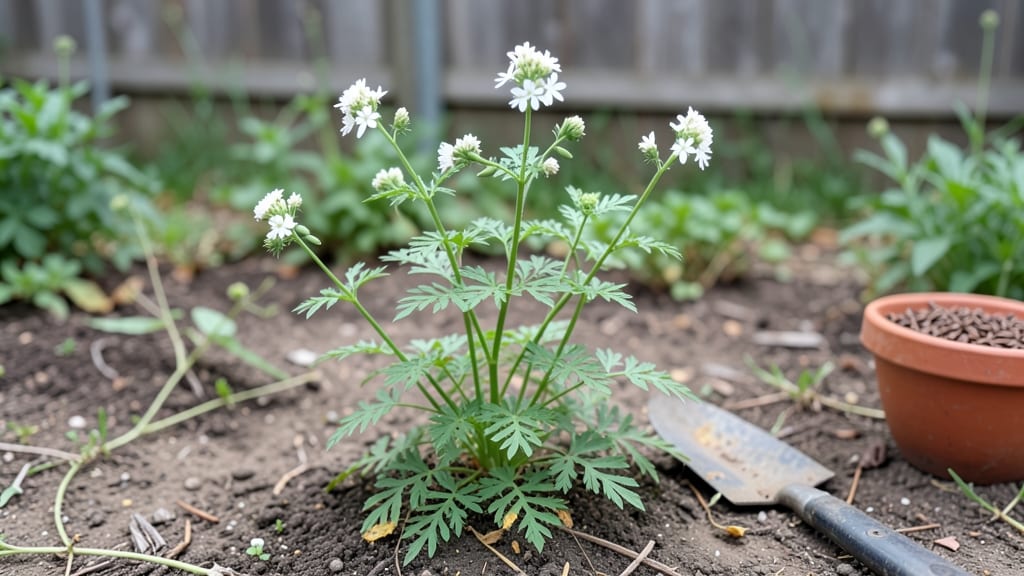
Planting cumin seeds is where homegrown spice magic begins—though it takes patience, because those tiny seeds need just the right conditions to unlock their warm, earthy potential. 🌱 I’ve learned the hard way that rushing the process leads to weak seedlings, but when done right, you’ll harvest fragrant pods that rival store-bought (and taste fresher).
The secret lies in soil that drains like a desert but stays moist enough to coax life from stubborn seeds—no soggy roots allowed.
You’ll need well-draining soil (think sandy loam or a mix with perlite), pots at least 6 inches deep, and a sunny spot where temperatures stay above 70°F after sowing. Cumin seeds are finicky about depth—plant them only ¼ inch deep, or they’ll rot before sprouting.
Water lightly after planting, then wait. Yes, really wait. These seeds can take 2-3 weeks to germinate, so don’t drown them in sympathy.
Once sprouted, your cumin seedlings will grow slowly at first, but don’t let that fool you—they’re building roots for drought resistance. Keep soil barely moist (think damp sponge, not swamp) and give them full sun daily.
Within 60-90 days, you’ll see those familiar feathery leaves, and by late summer, you’ll be harvesting pods that pack 10x more flavor than dried cumin from the spice rack.
Here’s the kicker: cumin thrives in heat and neglect, making it perfect for forgetful gardeners. If your plants wilt, they’re likely thirsty—but only water when the top inch of soil is dry.
And if you’re growing indoors? A south-facing window or grow light is your best bet. Let’s get those seeds in the ground and start the countdown to harvest.
📚 In This Guide
- What you need
- Instructions
- Tips and common mistakes
- Wrapping up and next steps
What you need
- ● Cumin seeds: 1–2 packets (about 1–2 oz or 30–60 grams) of Cuminum cyminum seeds. Choose organic or heirloom varieties for the best flavor.
- ● Well-draining potting mix: 5–10 gallons (depending on container size). A blend of 60% garden soil, 30% compost, and 10% perlite or sand works wonders.
- ● Containers or garden bed: For containers: 5–10-inch deep pots (1–2 plants per pot) with drainage holes.
- ● For garden beds: Full sun (6+ hours/day) and loose, fertile soil with a pH of 6.0–7.5.
- ● Watering can or hose: With a gentle spray nozzle to avoid disturbing seedlings.
- ○ Fertilizer (optional but recommended): Balanced 10-10-10 fertilizer (1 tbsp per plant every 4–6 weeks).
- ● OR organic options like compost tea or worm castings.
- ○ Gloves: To protect your hands from prickly stems (optional but handy!).
- ● Trowel or small shovel: For transplanting or loosening soil.
- ● Spray bottle: For misting seeds during germination (if starting indoors).
- ● Pruning shears: To trim dead foliage or encourage bushier growth.
- ● Sunlight access: A south-facing window (for indoor starts) or a sunny outdoor spot.
- ● Patience: Cumin takes 80–120 days to mature—plan ahead!
- ● Grow lights: If starting seeds indoors before the last frost.
- ● Mulch: Straw or shredded leaves to retain moisture and suppress weeds.
- ● Pest control: Neem oil or insecticidal soap (cumin attracts aphids and spider mites!).
- ● Journal or markers: To track planting dates, watering schedules, and growth milestones.
Step-by-Step instructions for planting cumin seeds
Here's the straightforward method I use to grow cumin from seed—no guesswork, just reliable flavor.
🌱 Step 1: Prepare the Soil and Planting Site
Cumin thrives in well-draining soil with a slightly alkaline pH between 7.0 and 8.0. If your garden soil is heavy clay, mix in 2-3 inches of coarse sand or perlite to improve drainage. I like to work in a sunny, open spot—cumin needs full sun for at least 6 hours daily to develop its signature aroma.
Loosen the top 6 inches of soil with a garden fork, breaking up any compacted layers. Sprinkle a ½ cup of compost into the planting area and mix it in lightly. This ensures the soil holds moisture but doesn’t stay soggy, which cumin roots despise. A light hand here prevents waterlogging that can rot seeds before they sprout.
🌱 Step 2: Sow Seeds at the Right Depth and Spacing
Plant cumin seeds ¼ inch deep—any deeper, and they’ll struggle to break through the soil. I space mine 12 inches apart in rows 18 inches apart to allow for airflow and easy harvesting. Scatter the seeds carefully; they’re small and easy to overcrowd if you’re not careful.
Cover the seeds lightly with soil and pat the surface gently to ensure good seed-to-soil contact. Water the area lightly but thoroughly—just enough to moisten the soil without creating puddles. Keep the soil consistently moist but never soggy until germination, which usually takes 7-14 days. This patience pays off when you see those first tiny green shoots.
☀️ Step 3: Maintain Moisture and Sunlight for Strong Growth
Once seedlings emerge, reduce watering slightly—cumin is drought-tolerant once established. Water once a week, giving ½ inch of water each time, unless your area experiences extreme heat or drought. You’ll know it’s time to water when the top inch of soil feels dry to the touch. Overwatering now can lead to fungal issues, so less is more.
Monitor sunlight exposure closely. If you notice seedlings stretching toward the sun with pale leaves, they’re not getting enough light. Cumin plants will bolt (flower) prematurely if they’re stressed, which ruins the leaf flavor. If needed, move plants to a sunnier spot or supplement with a grow light for 12-14 hours daily until they’re sturdy.
✂️ Step 4: Thin and Prune for Maximum Yield
When seedlings reach 2-3 inches tall, thin them to 6-8 inches apart. Use scissors to snip unwanted plants at the base—this prevents disturbing the roots of the ones you keep. Strong, spaced-out plants produce more flavorful leaves and seeds. I always harvest a few leaves from the bottom of the plant first to encourage bushier growth.
Prune regularly to remove any yellow or damaged leaves. This keeps the plant healthy and directs energy toward new growth. If you’re growing cumin for seeds, let some plants flower and develop seed pods. Once the pods turn brown and dry, harvest them for grinding. For leaf harvests, pick leaves in the morning when their essential oils are most potent.
🪴 Step 5: Harvest and Store for Long-Term Use
Harvest leaves anytime after the plant is 4-6 inches tall. Pinch off individual leaves or small stems just above a leaf node to encourage more growth. For seeds, wait until the pods turn brown and papery—this usually takes 90-120 days from planting. Harvest pods on a dry day and spread them out to dry completely before grinding.
Store dried cumin seeds in an airtight container away from light and heat. Properly stored, they’ll keep their flavor for up to a year. Fresh leaves can be stored in the fridge for 5-7 days in a sealed bag with a paper towel to absorb moisture. This method ensures you always have bold cumin flavor ready for cooking—or just to enjoy the earthy aroma in your garden.
Tips & tricks for perfect cumin seed planting
Here's what I've learned from years of growing cumin—these tricks will help you avoid common pitfalls and maximize your harvest.
Soil Preparation Secret: Before amending your soil with the ½ cup of compost in Step 1, test the pH with a simple kit. Cumin loves slightly alkaline soil (7.0-8.0), but if your soil is too acidic, mix in ½ cup of crushed limestone per square foot along with the compost. I've ruined batches by skipping this step in heavy clay soil—trust me, the drainage difference is night and day.
Seed Spacing Strategy: In Step 2, when planting seeds ¼ inch deep and 12 inches apart, consider using a simple grid system with wooden stakes. Mark your rows 18 inches apart first, then use a string with knots tied at 12-inch intervals to ensure perfect spacing. This prevents overcrowding and makes thinning easier later. I've seen gardens where seeds were too close, resulting in weak, flavorless plants.
Germination Timing: The 7-14 day germination window in Step 2 can feel like forever, but there's a trick to speed things up. After planting, cover the area with a clear plastic sheet to create a mini greenhouse effect. Remove it once you see sprouts (usually 5-7 days). This maintains consistent moisture and warmth, helping seeds break through faster without risking rot.
Sunlight Rescue: If your seedlings start stretching toward the sun in Step 3, don't just move them—rotate your entire planting area ¼ turn daily. This ensures even growth and prevents plants from leaning. For indoor grow lights, position them 6-8 inches above the plants and adjust height as they grow. I've had to replace leggy plants that bolted prematurely because they weren't getting proper light exposure.
Pro Tips for Planting Cumin Seeds
- Here's what I've learned from years of growing cumin—these tricks will help you avoid common pitfalls and maximize your harvest.
- Soil Preparation Secret: Before amending your soil with the ½ cup of compost in Step 1, test the pH with a simple kit.
- Seed Spacing Strategy: In Step 2, when planting seeds ¼ inch deep and 12 inches apart, consider using a simple grid system with wooden stakes.
Frequently asked questions
Got questions about growing your own cumin? Here are some of the most common concerns—plus straightforward answers to help you cultivate bold, flavorful seeds with ease!
When is the best time to plant cumin seeds?
Cumin thrives in warm weather, so plant seeds after the last frost when soil temperatures reach at least 70°F (21°C). In cooler climates, start indoors 6–8 weeks before the last frost, then transplant seedlings outdoors. Aim for spring planting for summer harvests!
How long does it take for cumin seeds to grow and mature?
From planting to harvest, cumin takes 90–120 days to mature. Seeds sprout in 7–14 days, and plants flower in 4–6 weeks. Keep an eye out for yellow-brown seed pods—that’s your cue to harvest! Patience pays off for the richest flavor.
Can I grow cumin indoors or in containers?
Yes! Cumin adapts well to 5-gallon containers with drainage holes. Use a well-draining potting mix and place pots in a sunny spot (6+ hours of light daily). Just ensure containers are at least 12 inches deep—cumin has a modest root system but needs room to thrive.
Why aren’t my cumin plants flowering or producing seeds?
Common culprits include cool temperatures (cumin needs warmth!), overcrowding (thin seedlings to 12–18 inches apart), or poor soil nutrients. Boost growth with a balanced fertilizer (like 10-10-10) at planting and again when flowers appear. If pests like aphids strike, spray with neem oil.
Do cumin seeds need full sun?
Cumin requires full sun (6+ hours daily) for optimal growth and seed production. Partial shade can lead to leggy plants and fewer seeds. If your garden is shady, consider container gardening near a sunny window or balcony for the best results.
Wrapping up and next steps
Growing your own cumin seeds is a rewarding journey that brings bold, aromatic flavors straight to your kitchen! 🌱 Whether you're a seasoned gardener or just starting out, these tiny seeds pack a punch of flavor and potential.
By following the right steps—from soil prep to harvesting—you’ll enjoy fresh, fragrant cumin that’s far more potent than store-bought.
Now that you’re armed with knowledge, take the next step: grab your gardening tools, pick a sunny spot, and start planting! Even a small patch can yield enough cumin to spice up meals for months. Happy growing—your taste buds will thank you! 🌟