Propagation
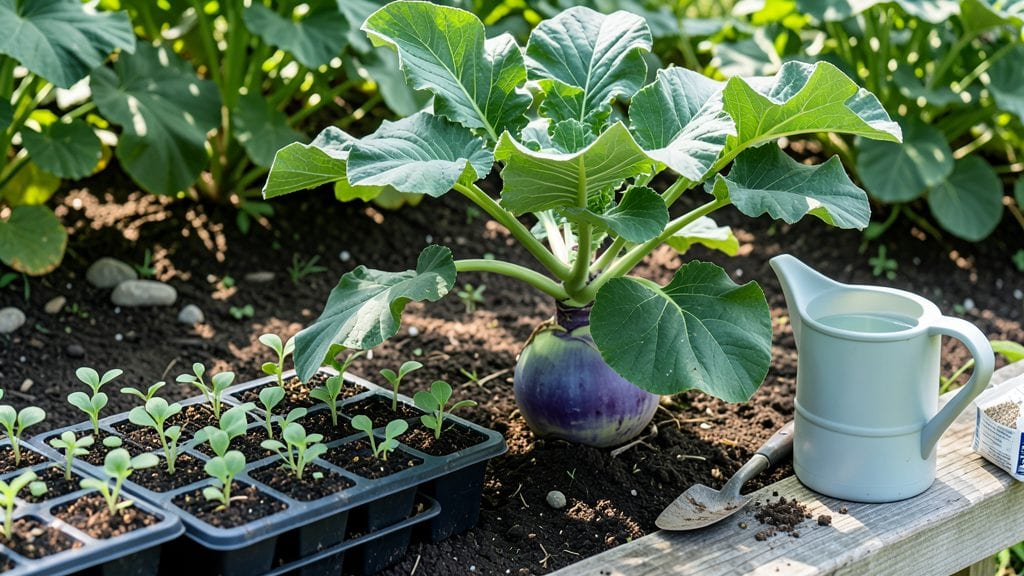
Planting kohlrabi seeds delivers crisp, nutty harvests in just 60 days—the fastest way to grow a homegrown vegetable that tastes nothing like store-bought. I’ve grown kohlrabi for years, and the secret to success lies in those first 10 days after planting, when seeds need consistent moisture to sprout reliably.
The payoff? A plant that thrives in cool weather, produces edible bulbs and leaves, and keeps giving until frost.
Start with well-draining soil amended with compost—kohlrabi hates soggy roots—and plant seeds ½ inch deep, spaced 2 inches apart in rows 18 inches apart. A sunny spot with at least 6 hours of light daily is non-negotiable, though they tolerate partial shade better than many vegetables.
Water lightly after planting, then keep the soil evenly moist (not soggy) until germination. Most seeds sprout within 5-10 days, and that’s when the real work begins.
Once seedlings appear, thin to 4 inches apart—this prevents competition and ensures bulbs grow plump. Kohlrabi bulbs are ready to harvest when they’re 2-3 inches wide, and the leaves stay tender too.
The key to fast, continuous harvests? Succession planting every 2 weeks after the last frost. By mid-summer, you’ll have a steady supply of this underrated vegetable, perfect for stir-fries, roasting, or raw snacking.
Here’s the best part: kohlrabi grows well in containers too, making it ideal for small spaces or urban gardens. Just use a pot at least 12 inches deep and watch those bulbs form right before your eyes.
With the right timing and care, you’ll go from seed to table in less than two months—no waiting around for slow growers like cabbage or broccoli.
📚 In This Guide
- What you need
- Instructions
- Tips and common mistakes
- Wrapping up and next steps
What you need
- ● Kohlrabi seeds: 1–2 packets (50–100 seeds total). Choose a variety like Purple Vienna or White Vienna for reliable growth.
- ● Seed-starting soil or potting mix: 1–2 gallons (sterilized, well-draining). Look for a mix labeled for vegetable starts.
- ● Containers or seed trays: 2–4 biodegradable pots (2–3 inches deep) or a seed tray with cells (for indoor starts).
- ● Grow lights or sunny windowsill: 6–8 hours of direct sunlight daily (or a grow light for 12–16 hours/day if indoors).
- ● Watering can or spray bottle: With a fine nozzle to avoid disturbing seeds.
- ○ Transplant fertilizer (optional but helpful): A balanced, water-soluble formula (e.g., 5-5-5 or 10-10-10) for when seedlings are 2–3 inches tall.
- ● Garden gloves: To keep hands clean while handling soil.
- ● Plant labels: To mark seed trays (e.g., “Kohlrabi – Plant May 1”).
- ● Heating mat (for cold climates): Speeds up germination if temperatures dip below 60°F (15°C).
- ● Mulch (straw or shredded leaves): Helps retain moisture after transplanting outdoors.
- ● Compost or aged manure: Mix 1–2 cups per gallon of soil for nutrient-rich planting beds.
Step-by-step instructions for planting kohlrabi seeds
Here’s how to grow kohlrabi from seed with speed and confidence—no fuss, just reliable results.
Prepare the Soil for Optimal Germination
Kohlrabi thrives in loose, fertile soil with excellent drainage. Work the 2 gallons of garden soil and 1 gallon of compost together until the mix is dark and crumbly. Kohlrabi hates soggy roots, so if your soil drains poorly, add ½ cup of perlite to improve aeration. Test the pH—aim for 6.0 to 7.0. If your soil runs acidic, sprinkle ½ cup of lime and mix it in a week before planting.
Clear the planting area of weeds and rocks, then rake the soil smooth. Kohlrabi seeds are tiny, so a fine, even surface prevents them from sinking too deep. Press down lightly with your hand—just enough to create a firm seedbed. This ensures seeds make good contact with moist soil for faster germination.
Sow Seeds at the Right Depth and Spacing
Plant seeds ¼ inch deep—any deeper and they’ll struggle to push through the soil. Use the 1 packet of kohlrabi seeds (about 50 seeds) and space them 1 inch apart in rows 18 inches apart. Kohlrabi grows quickly, so proper spacing prevents overcrowding, which leads to small, misshapen bulbs. If you’re planting in rows, mark them with a stick or string to keep things straight.
Water gently after sowing to settle the seeds without displacing them. A fine mist from a spray bottle works best. Kohlrabi seeds germinate fastest in soil that stays consistently moist but not waterlogged. Cover the row with ½ inch of straw mulch to retain moisture and discourage crusting. You’ll see sprouts in 5 to 10 days—keep an eye out for the first tiny leaves.
Thin Seedlings for Strong, Healthy Plants
Once seedlings reach 2 inches tall, thin them to 4 inches apart in the row. Use sharp scissors to snip unwanted plants at soil level—pulling risks disturbing roots of nearby seedlings. Kohlrabi needs room to swell, so thinning early prevents competition. You should end up with about 10 plants per 3-foot row for a productive harvest.
Thin on a cloudy day to reduce stress on the remaining plants. After thinning, water deeply to help roots establish. Kohlrabi grows best in cool weather (55°F to 75°F), so if temperatures climb above 80°F, provide afternoon shade to prevent bolting. Watch for first true leaves—these are broader than the initial seed leaves and signal it’s time to focus on soil moisture.
Maintain Moisture and Fertility for Bulb Development
Kohlrabi bulbs form underground, so consistent moisture is key. Water 1 inch per week, aiming for the soil around the base—not the leaves—to avoid fungal diseases. Let the top ½ inch of soil dry slightly between waterings to prevent rot. If your soil dries out quickly, apply a 1-inch layer of mulch around plants to lock in moisture and keep roots cool.
Feed lightly when bulbs begin to swell by mixing 1 tablespoon of 10-10-10 fertilizer into the soil around each plant. Avoid over-fertilizing—too much nitrogen encourages leafy growth at the expense of bulb development. Harvest when bulbs reach 2 to 3 inches in diameter, about 50 to 60 days after sowing. The skin should be smooth and firm, not tough or woody.
Harvest and Extend the Season
Cut bulbs from the stem with a knife to avoid damaging the plant. Kohlrabi continues to produce side shoots, so you’ll get multiple harvests per plant. Store fresh bulbs in the fridge for up to 2 weeks or blanch and freeze for longer storage. If your season is short, succession plant every 2 weeks for a continuous supply—kohlrabi germinates quickly even in cool soil.
Here’s the thing—kohlrabi is one of the fastest brassicas to mature, so don’t wait to harvest. Left too long, bulbs become pithy and lose flavor. If you miss the window, the plant will bolt and go to seed, but you can still save seeds for next year. With proper care, you’ll have plump, sweet bulbs ready in under 2 months—that’s the beauty of kohlrabi.
Tips & tricks for planting kohlrabi seeds
These straightforward strategies will help you achieve rapid germination and robust kohlrabi growth without the usual gardening headaches.
Soil Preparation Precision: When mixing the 2 gallons of garden soil with 1 gallon of compost, aim for a texture that resembles crumbly cake batter—not too dense, not too loose. The goal is to create air pockets that encourage root development while maintaining moisture retention. I've found that adding the ½ cup of perlite at this stage makes a noticeable difference in drainage, especially if your soil tends to compact easily. This preparation directly impacts how quickly those tiny seeds push through the soil in the 5-10 day germination window.
Temperature Matters: Kohlrabi thrives in the 55°F to 75°F range, which is why timing your planting matters so much. If you're planting in early spring or fall, you'll likely find this temperature range occurs naturally. However, if summer heat pushes temperatures above 80°F, provide afternoon shade using lightweight shade cloth or even a simple row cover. I've seen kohlrabi bolt when exposed to prolonged high temperatures, and that means sacrificing those sweet, tender bulbs you're working so hard to grow.
Thinning Technique: The 2-inch height threshold for thinning is crucial—waiting longer risks overcrowding, while thinning too early can leave plants vulnerable. Use sharp scissors to cut seedlings at soil level rather than pulling, which prevents disturbing nearby roots. I've found that thinning on a cloudy day reduces stress on the remaining plants, giving them the best chance to establish strong root systems. Remember, you're aiming for about 10 plants per 3-foot row, which gives each plant enough space to develop those plump, sweet bulbs.
Watering Wisdom: The 1-inch weekly watering guideline is perfect, but timing matters just as much as quantity. Water in the early morning so the foliage has time to dry before evening, which helps prevent fungal diseases. I've noticed that letting the top ½ inch of soil dry slightly between waterings prevents both underwatering and overwatering—both of which can lead to poor bulb development. A simple soil moisture meter makes this even easier to manage, especially for beginners.
Pro Tips for Planting Kohlrabi Seeds
- These straightforward strategies will help you achieve rapid germination and robust kohlrabi growth without the usual gardening headaches.
- Soil Preparation Precision: When mixing the 2 gallons of garden soil with 1 gallon of compost, aim for a texture that resembles crumbly cake batter—not too dense, not too loose.
- Temperature Matters: Kohlrabi thrives in the 55°F to 75°F range, which is why timing your planting matters so much.
Frequently asked questions
Got questions about planting kohlrabi seeds?
You’re not alone! Here are answers to the most common queries to help you grow this crunchy, versatile veggie with confidence.
When is the best time to plant kohlrabi seeds?
Kohlrabi thrives in cool weather, so plant seeds 2–4 weeks before your last frost date in spring (around March–April in most zones). For a fall harvest, sow seeds 8–10 weeks before your first frost (August–September). Avoid planting when temps exceed 75°F—it’ll bolt (go to seed) faster!
How long does it take for kohlrabi seeds to germinate?
Kohlrabi seeds typically sprout in 5–10 days in warm, moist soil (60–70°F). Keep soil consistently damp but not soggy. If germination takes longer, check for too-cold soil or dry conditions. A heat mat can speed things up if your spring is chilly!
Can I plant kohlrabi seeds indoors first?
Yes! Start seeds indoors 4–6 weeks before transplanting (use biodegradable pots to avoid root disturbance). Harden off seedlings by gradually exposing them to outdoor conditions for 7–10 days before moving them to the garden. Just remember—kohlrabi hates heat, so transplant early!
What pests or diseases should I watch for when growing kohlrabi?
Kohlrabi is vulnerable to cabbage worms, flea beetles, and aphids. Use row covers early to deter pests, and handpick larvae. For diseases, avoid overhead watering to prevent downy mildew. If leaves yellow, check for clubroot—rotate crops next year to prevent recurrence.
How do I know when kohlrabi is ready to harvest?
Harvest when the bulb (stem) is 2–3 inches in diameter (about 50–60 days after planting). Wait too long, and it’ll get woody or bitter. Snip the stem with scissors or prune shears—don’t pull the whole plant! Leaves are edible too and can be harvested separately for salads.
Wrapping up and next steps
Planting kohlrabi seeds is a rewarding experience—with fast germination and minimal fuss, you’ll soon enjoy a crisp, nutrient-packed harvest! Whether you’re a beginner or a seasoned gardener, these tips ensure success while keeping care simple.
Now that you’re armed with the right know-how, take the next step: grab those seeds, prep your soil, and watch your garden transform into a thriving kohlrabi patch. Happy planting—your future meals (and bragging rights) are waiting! 🌱✨