
Succulent
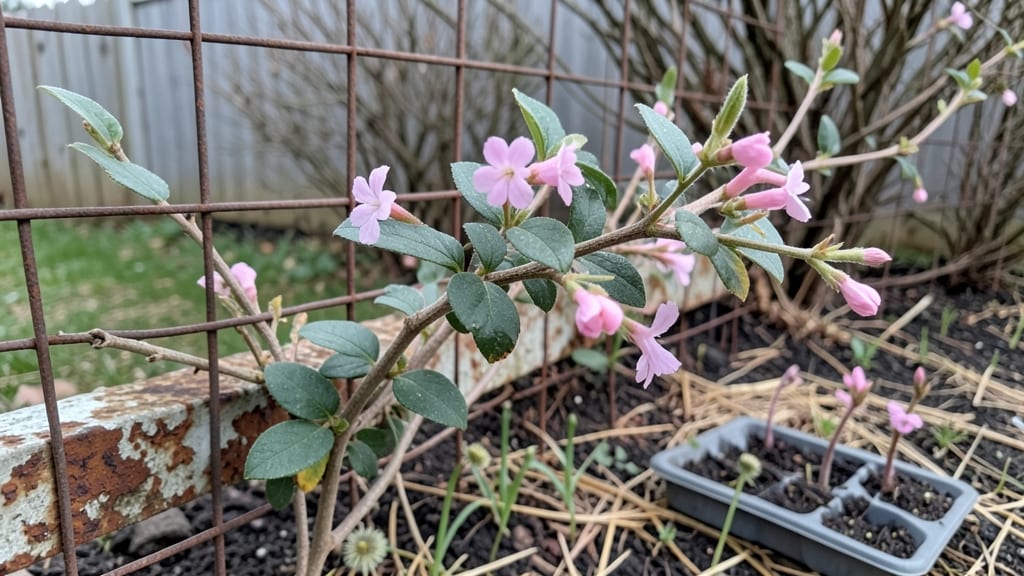
Pink jasmine transforms any yard into a fragrant paradise with its delicate blooms and intoxicating scent. 🌿 I planted mine last spring, and within months, the vine climbed our trellis, filling the air with sweet perfume—even in winter.
The key isn’t just planting; it’s creating the right conditions for this tender climber to thrive.
Start with well-draining soil mixed with compost, and choose a spot with morning sun and afternoon shade—too much direct sun scorches the leaves. Space plants 3-5 feet apart if growing as a shrub, or provide a sturdy trellis for climbing varieties.
Water deeply once a week (more in summer), keeping the soil moist but never soggy.
Minimal pruning is the secret to year-round blooms. Trim back leggy growth after flowering to encourage bushier growth, and remove dead or crossing branches in early spring. With proper care, your pink jasmine will reward you with fragrant clusters of blooms from late winter through fall—no heavy pruning required.
Watch for aphids or spider mites, which love the tender new growth. A strong spray of water usually clears them up, but neem oil works as a last resort. Once established, pink jasmine is surprisingly low-maintenance—just feed with balanced fertilizer in spring and enjoy the show.
📚 In This Guide
- What you need
- Instructions
- Tips and common mistakes
- Wrapping up and next steps
What you need
- ● Pink jasmine plants (2-3 per container or 1 per 10 sq. ft. of garden space)
- ● Well-draining potting mix (for containers) or loamy, slightly acidic soil (pH 5.5-6.5) (for in-ground planting)
- ● Organic compost (1 part mixed into soil for nutrients)
- ● Slow-release fertilizer (balanced 10-10-10 or organic options like fish emulsion)
- ● Drip irrigation or watering can (for consistent moisture)
- ○ Mulch (optional but recommended) (pine bark or shredded leaves to retain moisture)
- ● Garden trowel or small shovel (for digging holes)
- ● Pruning shears (sharp, sterilized for clean cuts)
- ● Gloves (to protect hands from thorns)
- ● Container with drainage holes (10-12 inches deep for potted plants)
- ○ pH testing kit (optional) (to ensure soil acidity is ideal)
- ● Sunlight: Full sun to partial shade (at least 4-6 hours of sunlight daily).
- ● Climate: Thrives in USDA Zones 7-11 (may need winter protection in colder areas).
- ● Watering: Keep soil consistently moist but not soggy—jasmine hates "wet feet."
- ● Pro tip: If planting in containers, use a trellis or support structure—pink jasmine is a vigorous climber! 🌿💡
Step-by-Step guide to planting pink jasmine for year-round blooms
Here's how I plant pink jasmine for lush, fragrant vines that keep flowering season after season.
🌱 Step 1: Choose the Perfect Location and Prepare the Soil
Pink jasmine thrives in partial shade—think dappled sunlight or morning sun with afternoon shade. I always pick a spot where it gets 4-6 hours of sunlight daily, but never harsh afternoon rays that can scorch delicate blooms. The soil should drain well but retain moisture, so if your yard is heavy clay, mix in 2-3 inches of compost from your list to improve drainage.
Dig a hole twice as wide as the root ball but only as deep as the container it came in. This prevents burying the stem too deep, which can cause rot. Gently loosen the roots if they're circling tightly—they'll spread out once planted. I like to add a handful of slow-release fertilizer to the backfill soil for an extra bloom boost.
🪴 Step 2: Plant and Stake for Support
Place the pink jasmine in the hole and backfill with soil, pressing lightly to remove air pockets. Water deeply right after planting to settle the roots and encourage contact with the soil. I always use a 5-foot wooden stake from my supplies to provide support, tying the main vine loosely with soft plant ties. This prevents wind damage while giving the plant time to establish.
Mulch around the base with 2-3 inches of organic mulch to conserve moisture and regulate soil temperature. Keep the mulch 2 inches away from the stem to prevent rot. Pink jasmine is drought-tolerant once established, but young plants need consistent moisture—water once a week during the first growing season unless rain provides enough.
☀️ Step 3: Prune for Bushier Growth and More Blooms
Pruning pink jasmine isn't just about shaping—it's about encouraging more flowers. I prune right after blooming season (late spring) to remove any dead or crossing branches. Cut back one-third of the oldest stems to the ground to stimulate new growth. This keeps the plant vigorous and prevents overcrowding.
For a fuller look, pinch back the tips of new growth in early summer. This encourages branching rather than long, leggy stems. Avoid heavy pruning in fall or winter, as the plant needs its foliage to photosynthesize and store energy for next year's blooms. You'll see new buds forming along the stems within 4-6 weeks of pruning.
💧 Step 4: Fertilize and Water for Continuous Blooms
Feed pink jasmine with balanced, slow-release fertilizer every 6-8 weeks during the growing season. I use a 10-10-10 formula from my supplies, applying it in early spring, mid-summer, and again in early fall. Water deeply once a week during dry spells, but avoid wetting the leaves to prevent fungal diseases like powdery mildew.
Pink jasmine is forgiving, but it rewards consistent care. If you notice leaves yellowing, it's usually a sign of overwatering—let the soil dry out slightly between waterings. In winter, reduce watering significantly, only watering when the top 2 inches of soil feel dry. This helps the plant enter dormancy smoothly.
⏰ Step 5: Protect and Enjoy Year-Round Fragrance
Pink jasmine is evergreen in warm climates, but in colder zones, it may drop leaves in winter. If frost threatens, I cover the plant with burlap or frost cloth to protect it. Even in dormancy, the plant stays alive and ready to burst into bloom when spring arrives. The key to year-round fragrance is minimal pruning—only remove dead wood and shape lightly in spring.
Once established, pink jasmine is low-maintenance but high-reward. You'll start seeing blooms within 1-2 years of planting, and with proper care, it can live and flower for decades. The more you prune and fertilize, the thicker and more fragrant the vines become—just don't overdo it, or you'll sacrifice blooms for foliage.
Tips & tricks for perfect pink jasmine planting
Here's what I learned after years of growing fragrant pink jasmine—these tricks will help you avoid common pitfalls and get the most blooms possible.
Sunlight Secret: That 4-6 hours of sunlight in Step 1 is crucial, but timing matters too. I've found morning sun works best—it gives the plant energy without scorching the delicate blooms. If your yard gets intense afternoon sun, consider planting near a north-facing wall or under a light canopy. Trust me, the difference in fragrance is noticeable when you get this right.
Root Care: In Step 1, when you're loosening those circling roots, don't go overboard—just gently separate them with your fingers. I've seen people cut roots thinking they're helping, but this actually stresses the plant. The goal is to encourage outward growth, not damage the root system. A quick soak in water before planting also helps hydrate the roots for better establishment.
Pruning Strategy: That late spring pruning in Step 3 is your chance to shape the plant's future. I like to make my cuts just above a leaf node where new growth will emerge. For the one-third oldest stems you're removing, look for the thickest, woody stems—they've done their job and it's time to make room for younger, more productive growth. This technique keeps your plant flowering for years.
Watering Wisdom: The once-a-week watering in Step 2 is perfect, but there's a trick to it. Water deeply at the base—aim for about 1 gallon per watering session. This encourages deep root growth rather than shallow roots that dry out quickly. I've seen plants with surface roots struggle during dry spells, while properly watered plants develop strong root systems that support more blooms.
Pro Tips for Planting Pink Jasmine
- Here's what I learned after years of growing fragrant pink jasmine—these tricks will help you avoid common pitfalls and get the most blooms possible.
- Sunlight Secret: That 4-6 hours of sunlight in Step 1 is crucial, but timing matters too.
- Root Care: In Step 1, when you're loosening those circling roots, don't go overboard—just gently separate them with your fingers.
Frequently asked questions
Got questions about nurturing your pink jasmine? You’re not alone! Here are answers to the most common queries to help you grow fragrant, thriving vines with ease.
When is the best time to plant pink jasmine?
Plant pink jasmine in early spring (after the last frost) or early fall for optimal root establishment. Avoid extreme heat—it stresses young plants. If you’re in a warm climate, fall planting works best to prevent summer drought stress. Pro tip: Container-grown plants can be planted year-round in mild zones!
How much sunlight does pink jasmine need?
Pink jasmine thrives in partial shade to full sun (4–6 hours of sunlight daily). In hot climates, protect it from harsh afternoon sun to prevent leaf scorch. If grown indoors, place it near a bright window (east or north-facing) for best results. Watch for: Yellowing leaves = too much sun; leggy growth = too little light.
How often should I water pink jasmine?
Water deeply but infrequently—about once a week (adjust for climate/soil). Let the top 1–2 inches of soil dry out between waterings. Overwatering causes root rot, while underwatering leads to wilting. Mulch helps retain moisture and regulate soil temperature. Signs of overwatering: Yellow leaves, mushy stems.
Why isn’t my pink jasmine blooming?
Pink jasmine may skip blooms due to lack of sunlight, over-fertilizing (too much nitrogen = leafy growth, no flowers), or pruning at the wrong time (prune after flowering). Ensure it gets 6+ hours of sun and use a balanced fertilizer (10-10-10) in early spring. Patience helps—some varieties take 2–3 years to bloom! Boost blooms: Deadhead spent flowers to encourage new growth.
Can I grow pink jasmine in a container?
Pink jasmine adapts well to containers, making it perfect for patios or balconies. Use a well-draining pot (at least 12 inches wide) with fast-draining soil (mix potting soil with perlite). Choose a trellis or espalier frame to support climbing. Repot every 2–3 years or when roots circle the pot. Container tip: Place a saucer underneath to catch excess water!
Wrapping up and next steps
Planting pink jasmine is a rewarding way to fill your space with endless fragrance and beauty—with just a little care! 🌸 Whether you’re a seasoned gardener or a beginner, its low-maintenance charm makes it the perfect addition to patios, balconies, or even indoor spaces.
Now that you’ve got the tools, tips, and answers to common questions, it’s time to roll up your sleeves and get growing!
Ready to transform your garden? Start by choosing your spot—whether it’s a sunny window sill or a shaded corner—and watch those delicate blooms thrive. Happy planting! 🌱