
Propagation
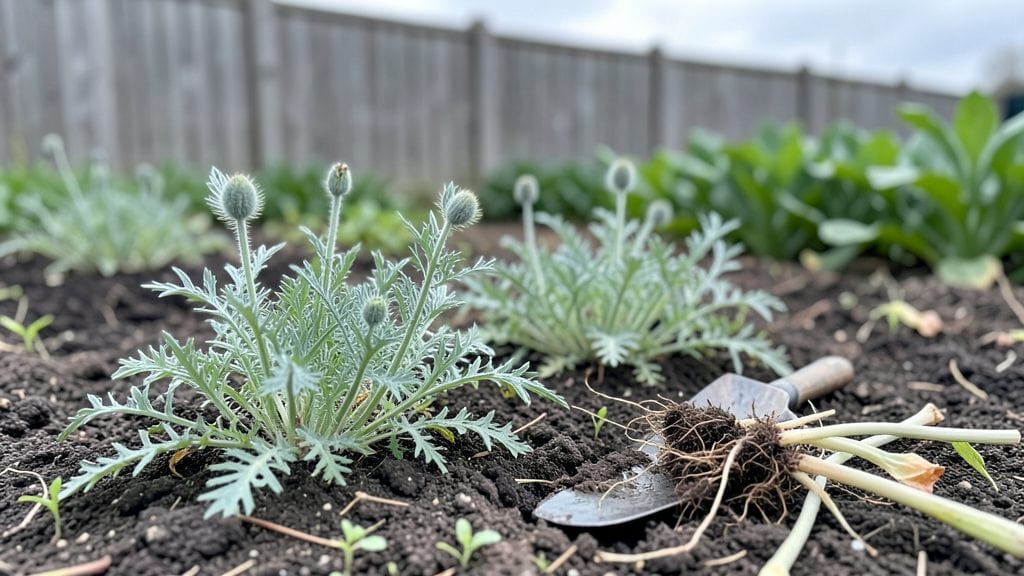
Planting poppy seeds in fall unlocks next spring's jaw-dropping blooms—those delicate, papery flowers that seem to appear overnight. 🌸 I learned the hard way that spring planting often means sparse, uneven germination, but fall sowing gives seeds the cold stratification they crave, resulting in strong, consistent growth when temperatures rise.
You’ll need a sunny spot with well-draining soil, poppy seeds (the tiny, wrinkled kind), and a light layer of compost. Poppies are finicky about moisture—too wet and they rot, too dry and they fail to sprout.
The key is planting them shallow, just a quarter-inch deep, and spacing them about 6 inches apart for those classic, airy clusters.
By spring, you’ll have a carpet of vibrant blooms that attract bees and hummingbirds before most annuals even think about waking up. The trade-off? Some seeds may not survive winter, but the ones that do reward you with flowers that last weeks longer than store-bought varieties.
Works best in zones 3-9, but even in milder climates, a light mulch helps protect seeds from erosion. No digging required—just scatter, cover lightly, and let nature handle the rest. Ready to try it?
📚 In This Guide
- What you need
- Instructions
- Tips and common mistakes
- Wrapping up and next steps
What you need
- ● Poppy seeds: Papaver spp. (e.g., Papaver rhoeas for common poppies or Papaver nudicaule for Iceland poppies). Buy 1–2 packets (500–1,000 seeds) for a small garden or 5+ packets for larger areas.
- ● Well-draining soil: Mix 60% garden soil with 40% coarse sand or perlite to prevent rot. Poppies hate soggy roots!
- ● Sunny planting spot: Choose a location with full sun (6+ hours daily) and minimal competition from weeds.
- ● Water source: A hose with a gentle spray nozzle or watering can for light, even moisture.
- ○ Garden gloves (optional but recommended—poppy stems can be prickly!).
- ● Hand trowel or rake for loosening soil and creating shallow furrows (¼-inch deep).
- ● Measuring tape or ruler to space seeds 6–12 inches apart (check your variety’s needs).
- ● Mulch (straw or shredded leaves) (1-inch layer) to protect seeds from erosion and pests.
- ● Planting window: Sow seeds 4–6 weeks before your first frost (typically September–October in most U.S. zones).
- ● Weather check: Wait for cool (50–60°F) but dry conditions—poppies won’t sprout in wet soil!
- ● Soil prep: Test soil pH (ideal: 6.0–7.5). Amend with compost if needed, but avoid fresh manure (it can burn seeds).
How to plant poppy seeds in fall for stunning spring blooms
Fall planting ensures poppies emerge early next spring—here’s how to do it right.
🌱 Step 1: Choose the Perfect Location and Prepare the Soil
Poppies thrive in full sun—at least 6 hours daily—so pick a spot that gets morning light and afternoon sun. Avoid areas where water pools, as soggy soil will rot seeds before they sprout. I like to test the drainage by digging a 6-inch deep hole, filling it with water, and watching how quickly it drains. If it takes more than an hour, amend the soil with 1-2 inches of coarse sand or gravel.
Loosen the top 6 inches of soil with a garden fork or tiller to break up compaction. Poppies have delicate roots, so don’t overwork the soil—just fluff it enough to create a seed-friendly bed. If your soil is heavy clay, mix in 2-3 inches of compost to improve texture and fertility. The goal is light, airy soil that lets roots spread easily.
🌱 Step 2: Scatter Seeds Directly in the Garden Bed
Poppy seeds are tiny—don’t bother covering them with soil. Instead, scatter them ¼ inch apart on the prepared bed. For 4 servings (about 100-150 plants), I sprinkle seeds in a 2-foot by 2-foot area, letting them fall naturally. Press them lightly into the soil with your hand or the back of a rake to ensure good seed-to-soil contact.
Here’s the thing—poppies need light to germinate. If you bury them even ½ inch deep, they won’t sprout. I like to mark the area with a small stake or flag so I remember where they’re planted. Once seeds are down, give the bed a gentle misting with water—just enough to dampen the surface without creating puddles.
💧 Step 3: Water Lightly and Let Nature Take Over
After planting, water the bed again to settle the seeds. Poppies are drought-tolerant once established, but they need consistent moisture to germinate. Water every 2-3 days until you see first true leaves—usually in 2-3 weeks. You’ll know it’s working when tiny green shoots appear, followed by the first pair of leaves (not the initial seed leaves).
Don’t overwater now. You’ll see seedlings struggle if the soil stays soggy, and damping-off (a fungal disease) can wipe them out overnight. Let the top inch of soil dry out between waterings once germination starts. I often water in the early morning so the foliage dries quickly, reducing disease risk.
☀️ Step 4: Protect Seeds Over Winter and Watch for Spring Growth
Poppies are cold-hardy, but newly planted seeds need a little help surviving winter. After the ground freezes, add a 2-inch layer of mulch (like straw or leaves) to insulate the seeds. This keeps them from heaving out of the soil when temperatures fluctuate. In early spring, remove the mulch as soon as the ground thaws—usually by late February or early March, depending on your zone.
You’ll see the magic unfold in 4-6 weeks when poppies shoot up rapidly. They grow fast, so don’t be tempted to thin them early. Let them establish for 3-4 weeks before removing weaker seedlings by hand. The stronger plants will have thick stems and bright green leaves—these are the ones that’ll bloom the biggest and brightest.
⏰ Step 5: Enjoy Blooms and Plan for Next Year
Poppies typically bloom in late spring to early summer, depending on your climate. Once they finish flowering, the plants will die back naturally. If you want more poppies next year, let some seed pods mature—they’ll self-sow for a surprise display the following spring. I always leave a few plants standing to scatter seeds naturally.
For a continuous show, plant a new batch of seeds in early fall each year. The key is consistency—poppies reward patience with their bold, cheerful blooms. Next spring, you’ll have a garden full of color with almost no effort on your part.
Tips & tricks for perfect fall poppy seed planting
Fall planting sets the stage for next spring's vibrant blooms—here's how to avoid common pitfalls and maximize your success.
The Sunlight Factor: While poppies need 6 hours of full sun daily, morning sun is especially important. If your garden has afternoon shade, position your planting area to capture those morning rays first. I've seen poppies struggle in spots that only get sun after 2 PM—even if it's 6 hours total. The cooler morning light helps prevent stress during germination.
Seed Placement Secret: When scattering those tiny poppy seeds in Step 2, aim for a 2-foot by 2-foot area for 4 servings. Here's what I learned the hard way: don't worry about perfect spacing—they'll naturally thin themselves. Instead, focus on even distribution. I use a small sieve to sprinkle seeds while standing over the bed, which helps prevent clumping. After planting, I gently press them with my fingers—just enough to make contact with soil, no deeper!
Watering Wisdom: The 2-3 day watering schedule in Step 3 is crucial, but timing matters too. Water in the early morning so foliage dries quickly, preventing damping-off disease. I've seen entire seedings wiped out overnight from soggy conditions. After germination, let the top inch of soil dry between waterings—poppies hate wet feet! A simple spray bottle works perfectly for those tiny seedlings.
Winter Protection Strategy: That 2-inch mulch layer in Step 4 is non-negotiable in colder climates. I've had poppies survive winters with just 1 inch, but they struggled to emerge. For extra insurance, I add a layer of bubble wrap over the mulch in zones below 5. This creates a microclimate that protects seeds from extreme temperature swings. Remove it all in early spring when ground thaws.
Pro Tips for Planting Poppy Seeds In Fall
- Fall planting sets the stage for next spring's vibrant blooms—here's how to avoid common pitfalls and maximize your success.
- The Sunlight Factor: While poppies need 6 hours of full sun daily, morning sun is especially important.
- Seed Placement Secret: When scattering those tiny poppy seeds in Step 2, aim for a 2-foot by 2-foot area for 4 servings.
Frequently asked questions
about planting poppy seeds in fall—because every gardener deserves a little clarity before diving in!Why plant poppy seeds in fall instead of spring?
Fall planting gives poppy seeds a head start! Seeds germinate in cool weather, avoiding spring competition from weeds. Plus, they establish roots before winter, leading to stronger, more vibrant blooms next spring. Just ensure your region’s first frost isn’t imminent.
When is the exact best time to plant?
Aim for 4–6 weeks before your first hard frost (typically late September to early November in most U.S. zones). Seeds need time to germinate and sprout roots before ground freezes. Check your local frost date—it’s your golden guide!
What if I miss the fall window—can I still plant?
Yes! Poppies are resilient. Plant in early spring (as soon as soil is workable) or even late winter in mild climates. Just expect slightly smaller blooms or delayed flowering. For best results, stick to fall—but don’t stress if you’re a late bloomer!
Will squirrels or birds steal my seeds?
Poppy seeds are a snack magnet. Scatter seeds lightly and widely, then cover them with a thin layer of soil (¼ inch max). For extra protection, use chicken wire or a mesh barrier until germination. Patience pays off—once sprouts appear, critters usually lose interest!
What if my poppies don’t germinate by spring?
Don’t panic! Poppy seeds can linger dormant for years in the soil, waiting for perfect conditions. They’re not dead—just biding their time. Try lightly raking the soil in early spring to expose fresh seeds to sunlight, or plant a fresh batch nearby for guaranteed blooms.
Can I grow poppies in containers?
Yes! Use a deep pot (10+ inches) with well-draining soil. Plant seeds ¼ inch deep, keep soil moist (not soggy), and place in a sunny spot. Just remember: container-grown poppies may need winter protection (like a frost cloth) in cold climates.
Wrapping up and next steps
Planting poppy seeds in the fall is a simple yet rewarding way to welcome vibrant blooms next spring! 🌸 These cold-hardy seeds thrive with minimal effort—just prepare your soil, scatter them lightly, and let winter do the work.
Whether you’re a seasoned gardener or a beginner, this method guarantees stunning results with almost no maintenance.
Ready to transform your garden? Grab your seeds, mark your calendar, and start planting before the first frost! Your future poppy fields will thank you—and so will your springtime views.